THE ADVENTURE COLLECTIVE® · Independent discovery and booking for outdoor travel

A three-day traverse through the Julian Alps that links seven glacial lakes with a climb of Slovenia’s highest peak, Triglav. Expect steep limestone, mixed terrain, hut-to-hut nights, and a via ferrata approach to the summit.
A three-day traverse through the Julian Alps that links seven glacial lakes with a climb of Slovenia’s highest peak, Triglav. Expect steep limestone, mixed terrain, hut-to-hut nights, and a via ferrata approach to the summit.
Misty spruce and limestone cliffs frame a valley of seven glacial lakes as you set off from Blato meadow, the morning air thin and cold at 1,150 m. The trail rises steadily into a wide amphitheater of cirques; water threads the landscape below while the peaks of the Julian Alps loom, daring you toward Triglav’s crown.
Verified experiences and guided adventures in the surrounding area.
Operated by Kofler sport-sport agency · Mojstrana, Upper Carniola (Gorenjska)
Misty spruce and limestone cliffs frame a valley of seven glacial lakes as you set off from Blato meadow, the morning air thin and cold at 1,150 m. The trail rises steadily into a wide amphitheater of cirques; water threads the landscape below while the peaks of the Julian Alps loom, daring you toward Triglav’s crown.
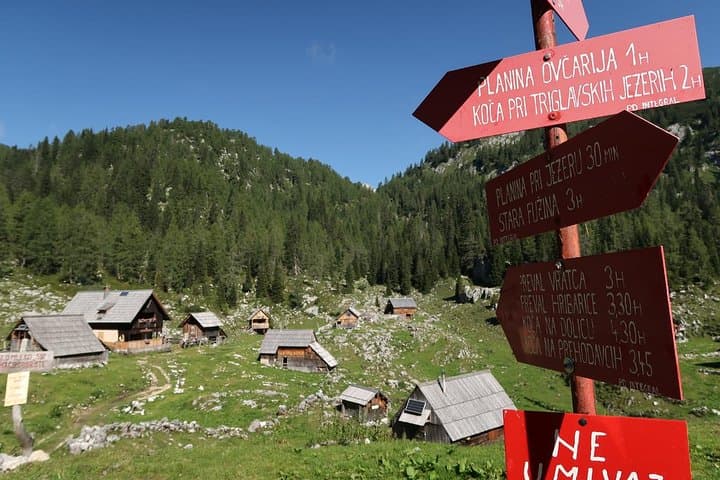
This route follows classic mountaineering lines through Triglav National Park, a protected landscape shaped by Pleistocene glaciers and karst processes. Local history threads the path too: shepherd routes and wartime tracks become modern high-alpine paths, and mountain huts like Dolic, Planika and Vodnikov dom carry a decades-old culture of alpine hospitality and self-reliance.
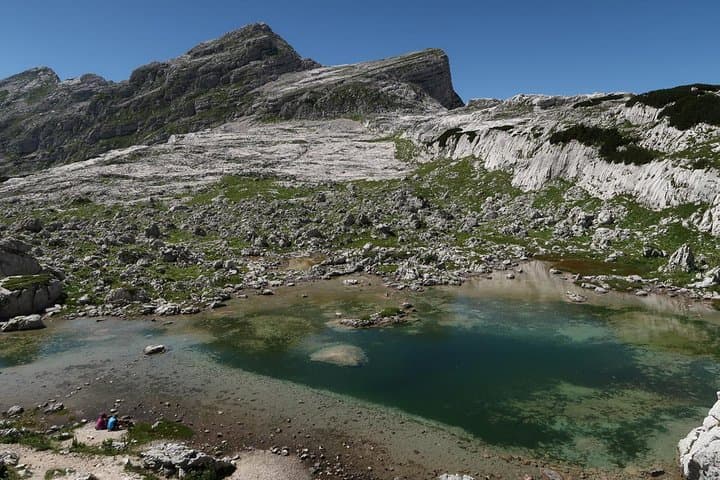
Geology here is stark—steep limestone faces, scree basins and plateaus reveal the skeleton of the range and give sweeping views from Triglav (2,864 m) across the Karawanks toward the Adriatic. Wildlife is discreet: chamois and alpine accentors pick through talus while marmots whistle warnings from meadows.
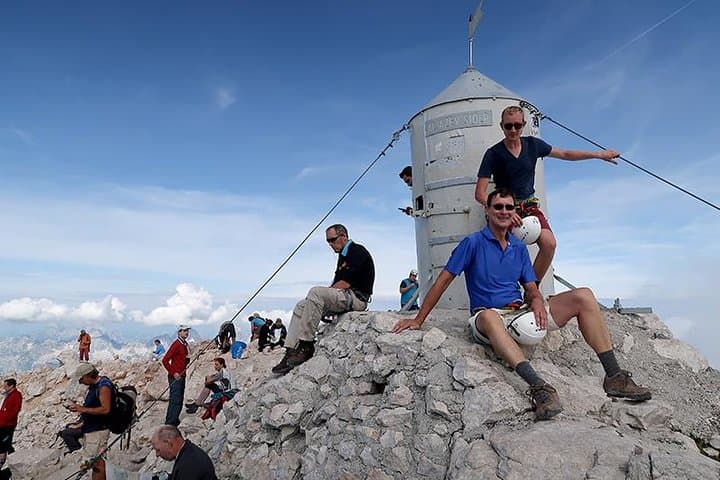
Practical guidance: the itinerary is three days—Day 1: Blato meadow → Dolic hut (approx. 6–8 h, +900 m). Day 2: summit Triglav via marked routes and via ferrata alternatives, then descend to Vodnikov dom (7–9 h, +700 m). Day 3: return to Blato (4–5 h). Expect exposed sections, scree, and a short via ferrata near the summit; guided groups use fixed ropes and carry technical equipment. Start early, layer for alpine weather swings, and be prepared for long days with steep elevation gains. Huts offer beds and basic meals but bring a lightweight liner and headlamp. The traverse rewards endurance with high ridgelines, reflective alpine lakes, and a summit panorama that stretches to the Adriatic on clear days.
challenging.
3 days (Day 1: 6–8 h; Day 2: 7–9 h; Day 3: 4–5 h).
Good to excellent aerobic fitness; comfortable with sustained ascents, descending on scree, and long summit days.
Participants should have prior alpine hiking or via ferrata experience and be comfortable with exposure; guided leaders provide technical briefing and equipment.
Late June to late September offers the most reliable conditions; snow can linger into July at higher elevations.
Huts offer meals and bunks but are basic; bring cash as some huts have limited card acceptance and limited services in shoulder season.
Minimum 2–3 people per booking, maximum shared group size around 10; cancellation fees vary by timing—check operator policy at booking.
The routes follow historical shepherd tracks and wartime passages that were later formalized by Slovenian mountain guides; Triglav is a national symbol featured on Slovenia’s flag.
Triglav National Park is protected—stick to marked trails, avoid disturbing flora and fauna, and follow hut rules for waste to minimize impact.
Kofler sport-sport agency operates guided outdoor trips and adventures with an emphasis on safety, stewardship, and memorable experiences.
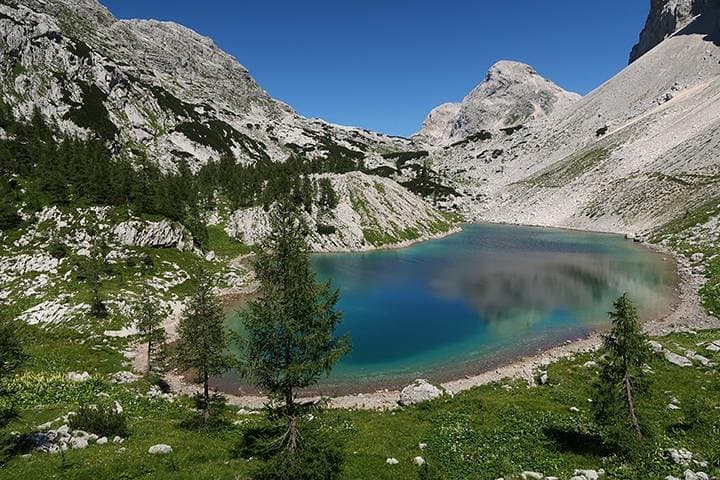
Misty spruce and limestone cliffs frame a valley of seven glacial lakes as you set off from Blato meadow, the morning air thin and cold at 1,150 m. The trail rises steadily into a wide amphitheater of cirques; water threads the landscape below while the peaks of the Julian Alps loom, daring you toward Triglav’s crown.
Misty spruce and limestone cliffs frame a valley of seven glacial lakes as you set off from Blato meadow, the morning air thin and cold at 1,150 m. The trail rises steadily into a wide amphitheater of cirques; water threads the landscape below while the peaks of the Julian Alps loom, daring you toward Triglav’s crown.
This route follows classic mountaineering lines through Triglav National Park, a protected landscape shaped by Pleistocene glaciers and karst processes. Local history threads the path too: shepherd routes and wartime tracks become modern high-alpine paths, and mountain huts like Dolic, Planika and Vodnikov dom carry a decades-old culture of alpine hospitality and self-reliance.
Geology here is stark—steep limestone faces, scree basins and plateaus reveal the skeleton of the range and give sweeping views from Triglav (2,864 m) across the Karawanks toward the Adriatic. Wildlife is discreet: chamois and alpine accentors pick through talus while marmots whistle warnings from meadows.
Practical guidance: the itinerary is three days—Day 1: Blato meadow → Dolic hut (approx. 6–8 h, +900 m). Day 2: summit Triglav via marked routes and via ferrata alternatives, then descend to Vodnikov dom (7–9 h, +700 m). Day 3: return to Blato (4–5 h). Expect exposed sections, scree, and a short via ferrata near the summit; guided groups use fixed ropes and carry technical equipment. Start early, layer for alpine weather swings, and be prepared for long days with steep elevation gains. Huts offer beds and basic meals but bring a lightweight liner and headlamp. The traverse rewards endurance with high ridgelines, reflective alpine lakes, and a summit panorama that stretches to the Adriatic on clear days.