THE ADVENTURE COLLECTIVE® · Independent discovery and booking for outdoor travel

Explore Trieste at your own pace with a phone-based city game that guides you through nine historic sites including San Giusto Castle and the Canal Grande. Perfect for independent travelers who want a mix of history, architecture and light urban walking.
Explore Trieste at your own pace with a phone-based city game that guides you through nine historic sites including San Giusto Castle and the Canal Grande. Perfect for independent travelers who want a mix of history, architecture and light urban walking.
You step onto a sun-warmed flagstone in Piazza Unità d'Italia and the city’s stories unfold with a tap: a self-guided exploration game leads you through Cathedral, Castle of San Giusto, the Arco di Riccardo, Roman Theatre, Teatro Verdi, Piazza della Borsa, Saint Spyridon Church and the Canal Grande.
Verified experiences and guided adventures in the surrounding area.
Operated by Wanderway · Trieste, Friuli Venezia Giulia
You step onto a sun-warmed flagstone in Piazza Unità d'Italia and the city’s stories unfold with a tap: a self-guided exploration game leads you through Cathedral, Castle of San Giusto, the Arco di Riccardo, Roman Theatre, Teatro Verdi, Piazza della Borsa, Saint Spyridon Church and the Canal Grande.
Trieste bears layers of Roman foundations, Habsburg commerce and maritime trade. The Roman Theatre and Arco di Riccardo whisper of imperial roads, while the 19th-century squares reflect Austro-Hungarian prosperity and the port’s cosmopolitan merchants. Geology shapes the walk—the karst plateau drops toward the Adriatic, producing abrupt viewpoints and steep streets that give the city its brisk punctuation.
Culturally, Trieste is a crossroads: Italian, Slovenian and Central European influences surface in architecture, cafés, and Orthodox and Catholic churches. The Canal Grande, cut in the 18th century, still channels seagulls and small boats past old warehouses that now house cafés.
Practically, expect 1–2 hours of moderate urban walking on mixed cobbles and paved sidewalks. The experience runs on your phone (apps or browser) with quiz stops at each monument; it’s self-paced and instant to start. Bring a charged device, comfortable shoes for short climbs, and weather gear in shoulder seasons. Aim for early morning or late afternoon to avoid peak tourist crowds and to catch softer light on the stone façades.
This phone-led city game is a compact, active way to learn Trieste’s layered past while moving through its tight alleys, seawalls and public squares—part walking tour, part city puzzle, all local texture and practical pacing.
easy.
1–2 hours.
Light urban fitness—able to walk on uneven cobbles and climb short flights of stairs
It’s fully self-guided; the app/browser tour provides directions, quizzes and information for each stop.
Plan for about 1–2 hours at a relaxed pace; spending more time at individual monuments will lengthen the visit.
A connection is recommended for map and quiz functionality, but some content may be cached—test beforehand if you expect spotty service.
Much of central Trieste has cobbles and steps, especially near the Castle and Roman Theatre; parts of the route are accessible but expect uneven surfaces.
Trieste developed as a major Habsburg free port in the 18th–19th centuries, which shaped its grand squares and multinational commercial culture.
The city balances tourism with preservation of historic stone façades and the Canal Grande waterfront; stick to marked paths and avoid leaning on fragile masonry.
Wanderway operates guided outdoor trips and adventures with an emphasis on safety, stewardship, and memorable experiences.
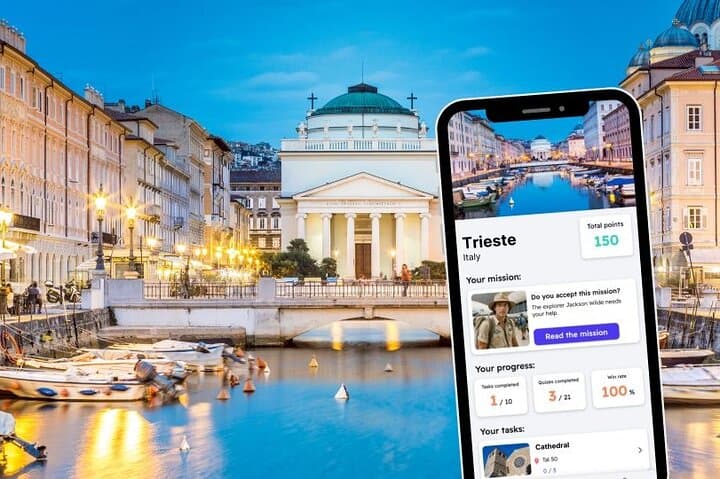
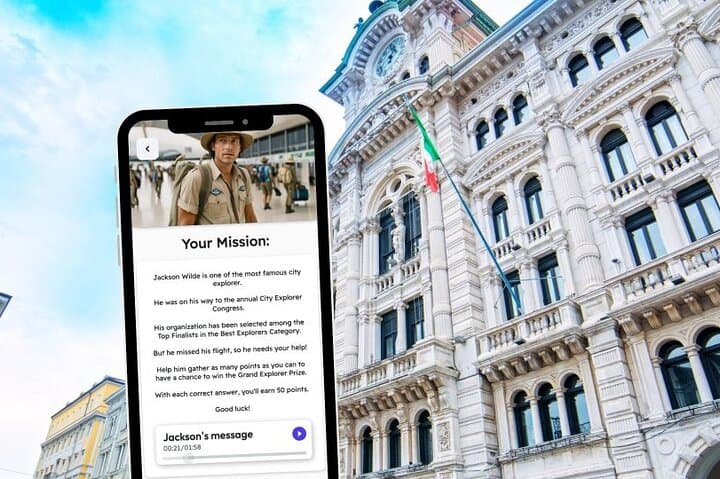
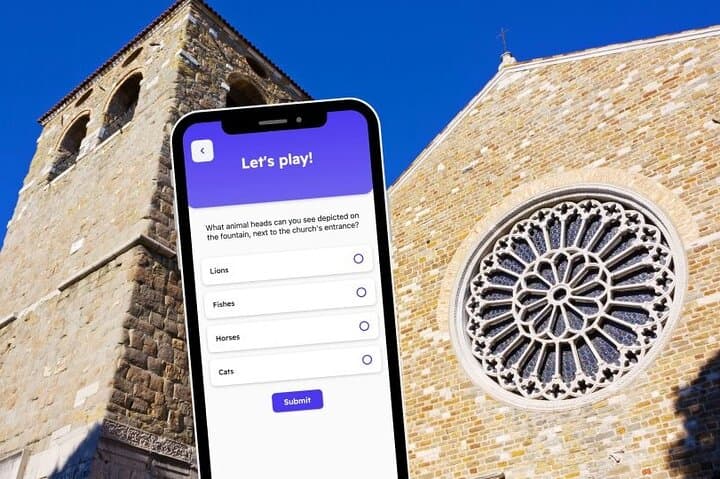
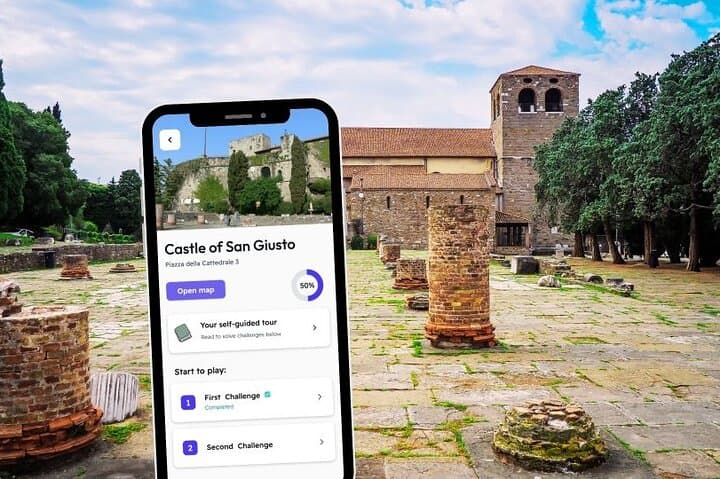
You step onto a sun-warmed flagstone in Piazza Unità d'Italia and the city’s stories unfold with a tap: a self-guided exploration game leads you through Cathedral, Castle of San Giusto, the Arco di Riccardo, Roman Theatre, Teatro Verdi, Piazza della Borsa, Saint Spyridon Church and the Canal Grande.
You step onto a sun-warmed flagstone in Piazza Unità d'Italia and the city’s stories unfold with a tap: a self-guided exploration game leads you through Cathedral, Castle of San Giusto, the Arco di Riccardo, Roman Theatre, Teatro Verdi, Piazza della Borsa, Saint Spyridon Church and the Canal Grande.
Trieste bears layers of Roman foundations, Habsburg commerce and maritime trade. The Roman Theatre and Arco di Riccardo whisper of imperial roads, while the 19th-century squares reflect Austro-Hungarian prosperity and the port’s cosmopolitan merchants. Geology shapes the walk—the karst plateau drops toward the Adriatic, producing abrupt viewpoints and steep streets that give the city its brisk punctuation.
Culturally, Trieste is a crossroads: Italian, Slovenian and Central European influences surface in architecture, cafés, and Orthodox and Catholic churches. The Canal Grande, cut in the 18th century, still channels seagulls and small boats past old warehouses that now house cafés.
Practically, expect 1–2 hours of moderate urban walking on mixed cobbles and paved sidewalks. The experience runs on your phone (apps or browser) with quiz stops at each monument; it’s self-paced and instant to start. Bring a charged device, comfortable shoes for short climbs, and weather gear in shoulder seasons. Aim for early morning or late afternoon to avoid peak tourist crowds and to catch softer light on the stone façades.
This phone-led city game is a compact, active way to learn Trieste’s layered past while moving through its tight alleys, seawalls and public squares—part walking tour, part city puzzle, all local texture and practical pacing.