THE ADVENTURE COLLECTIVE® · Independent discovery and booking for outdoor travel

Climb the exposed limestone of Val Rosandra with a UIAGM/IFMGA guide, where Karst cliffs meet Adriatic wind. This four-hour experience suits beginners learning ropework and experts refining technique, all starting from Bagnoli main square.
Climb the exposed limestone of Val Rosandra with a UIAGM/IFMGA guide, where Karst cliffs meet Adriatic wind. This four-hour experience suits beginners learning ropework and experts refining technique, all starting from Bagnoli main square.
You reach the meeting point in Bagnoli’s small square with the smell of espresso and sea salt in the air, then drive a few minutes into a cleft in the Karst where limestone faces rise like white pages from a green spine.
Verified experiences and guided adventures in the surrounding area.
Operated by UIAGM/IFMGA Mountain Guide · Bagnoli della Rosandra, Friuli-Venezia Giulia
You reach the meeting point in Bagnoli’s small square with the smell of espresso and sea salt in the air, then drive a few minutes into a cleft in the Karst where limestone faces rise like white pages from a green spine.
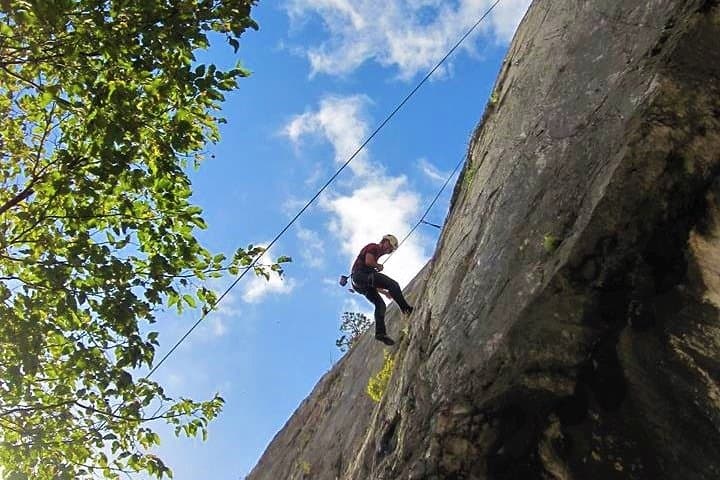
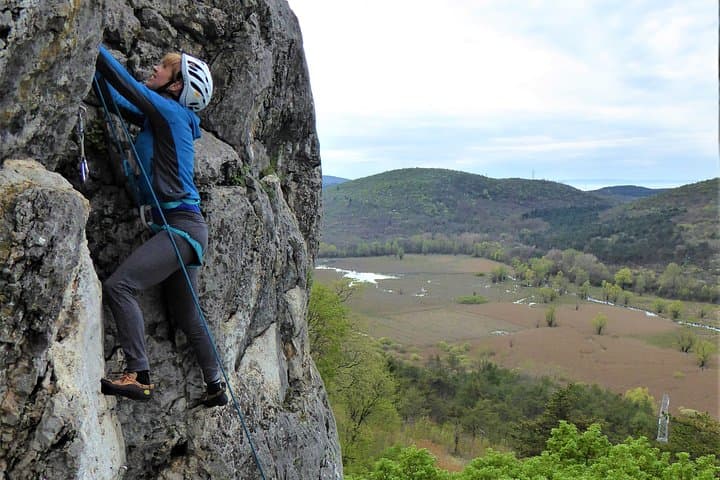
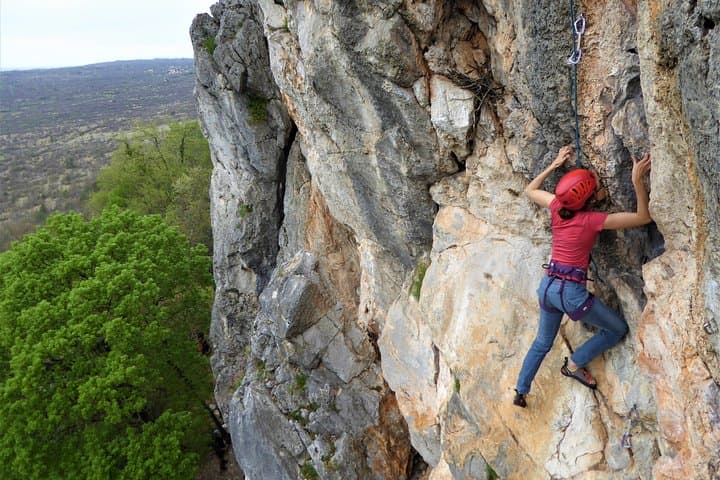
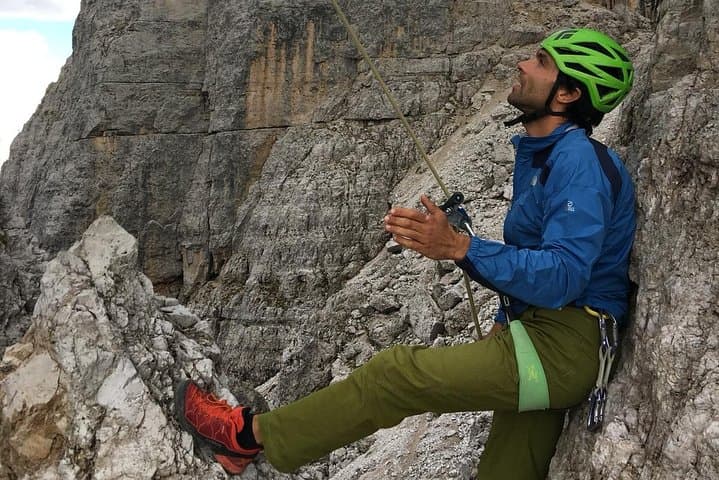
Val Rosandra is abrupt and specific: a narrow valley cut into exposed Karst, its cliffs facing the Adriatic wind. The guide rigs lines under overhangs and on vertical streaks of limestone while you listen—briefing, knots, commands—then step onto rock that demands steady footwork rather than brute power. Routes are chosen to match the group, from introductory sport climbs to sustained multi-pitch lines that thread cracks and pockets carved over millennia.
Geology shows itself plainly here. The Karst plateau is porous and sculpted; rainwater has eaten caves and channels into the rock, leaving ledges and tufas perfect for sport climbing. Culturally the valley sits at Italy’s eastern edge, where Trieste’s Austro-Hungarian past rubs against Slovenian influences; after a morning on the wall you can taste that overlap in seaside fish dishes and dense espresso back in town.
History lingers in the paths—old shepherd tracks and wartime routes—so you’re climbing on stone that has been part of people’s daily lives for centuries. Guides on this trip are UIAGM/IFMGA trained, which matters: technical competence here isn’t optional because the rock can be sharp and protection placement requires judgment.
Practical guidance: plan for four hours total. Expect a short drive and a brief hike to the base; the activity itself mixes hands-on instruction with guided climbs. Wear breathable layers—temperatures can swing between shaded ravine and wind-exposed ledge. Closed-toe shoes with sticky soles are non-negotiable; if you don’t own climbing shoes, the operator provides ropes and hardware but confirm footwear and harness availability in advance.
Hydration, a light snack, and sun protection will keep energy steady. Climbs favor technique—body positioning and efficient clipping—so novices leave with useful skills while experienced climbers find routes that sharpen endurance and clipping rhythm.
Logistics to note: groups are small (max six), meeting is in Bagnoli main square, and the operator reserves the right to cancel for unsafe weather. All sales are final, so pick a good forecast day. For a post-climb reward, drive back toward Trieste for seafood on the port or follow the valley trail to a quiet overlook where scrub pines frame the sea.
This is a climbing day that pairs raw Karst rock with pragmatic coaching: expect clear instruction, varied routes, and a tangible sense of place at Italy’s limestone edge.
moderate.
4 hours.
Moderate fitness required—able to hike short approaches and climb repeatedly for several pitches.
No—beginners are welcome; guides cover ropework, belaying, and basic technique, but a moderate fitness level helps.
Max six participants, keeping instruction personal and rotations efficient.
Common gear like ropes, devices, carabiners, and often harnesses and helmets are provided—confirm shoe availability with the operator.
Meeting is in Bagnoli main square, a short drive from Trieste; the operator drives the group to the parking area before a brief hike to the cliffs.
Yes—guides may cancel for unsafe weather; all sales are final so check forecasts and guide communications.
Crags vary—some routes sit in shaded gullies while belays can be exposed; there are no formal facilities at the climbing sectors.
Val Rosandra sits on the Karst edge that historically connected Trieste to interior trade routes; shepherd paths and wartime tracks still thread the valley.
The area is sensitive Karst habitat—stick to established paths and avoid leaving chalk or tape on rock; local guides follow leave-no-trace practices.
UIAGM/IFMGA Mountain Guide operates guided outdoor trips and adventures with an emphasis on safety, stewardship, and memorable experiences.
You reach the meeting point in Bagnoli’s small square with the smell of espresso and sea salt in the air, then drive a few minutes into a cleft in the Karst where limestone faces rise like white pages from a green spine.
You reach the meeting point in Bagnoli’s small square with the smell of espresso and sea salt in the air, then drive a few minutes into a cleft in the Karst where limestone faces rise like white pages from a green spine.
Val Rosandra is abrupt and specific: a narrow valley cut into exposed Karst, its cliffs facing the Adriatic wind. The guide rigs lines under overhangs and on vertical streaks of limestone while you listen—briefing, knots, commands—then step onto rock that demands steady footwork rather than brute power. Routes are chosen to match the group, from introductory sport climbs to sustained multi-pitch lines that thread cracks and pockets carved over millennia.
Geology shows itself plainly here. The Karst plateau is porous and sculpted; rainwater has eaten caves and channels into the rock, leaving ledges and tufas perfect for sport climbing. Culturally the valley sits at Italy’s eastern edge, where Trieste’s Austro-Hungarian past rubs against Slovenian influences; after a morning on the wall you can taste that overlap in seaside fish dishes and dense espresso back in town.
History lingers in the paths—old shepherd tracks and wartime routes—so you’re climbing on stone that has been part of people’s daily lives for centuries. Guides on this trip are UIAGM/IFMGA trained, which matters: technical competence here isn’t optional because the rock can be sharp and protection placement requires judgment.
Practical guidance: plan for four hours total. Expect a short drive and a brief hike to the base; the activity itself mixes hands-on instruction with guided climbs. Wear breathable layers—temperatures can swing between shaded ravine and wind-exposed ledge. Closed-toe shoes with sticky soles are non-negotiable; if you don’t own climbing shoes, the operator provides ropes and hardware but confirm footwear and harness availability in advance.
Hydration, a light snack, and sun protection will keep energy steady. Climbs favor technique—body positioning and efficient clipping—so novices leave with useful skills while experienced climbers find routes that sharpen endurance and clipping rhythm.
Logistics to note: groups are small (max six), meeting is in Bagnoli main square, and the operator reserves the right to cancel for unsafe weather. All sales are final, so pick a good forecast day. For a post-climb reward, drive back toward Trieste for seafood on the port or follow the valley trail to a quiet overlook where scrub pines frame the sea.
This is a climbing day that pairs raw Karst rock with pragmatic coaching: expect clear instruction, varied routes, and a tangible sense of place at Italy’s limestone edge.