THE ADVENTURE COLLECTIVE® · Independent discovery and booking for outdoor travel

Traverse Pakistan from Mughal Lahore to the remote Kalash valleys on a private cultural circuit. This multi-day route pairs historic monuments and bustling bazaars with highland villages, local festivals and rugged mountain scenery.
Traverse Pakistan from Mughal Lahore to the remote Kalash valleys on a private cultural circuit. This multi-day route pairs historic monuments and bustling bazaars with highland villages, local festivals and rugged mountain scenery.
You step from an air-conditioned vehicle into Lahore's dawn, chai steam and mosque domes cutting the cool light. Streets hum with vendors; the city’s red sandstone forts and Mughal calligraphy confront modern traffic in a compact, sensory whole. This tour moves from urban intensity to high-valley solitude—Badshahi Mosque and the Wazir Khan quarter give way to the ruined ramparts of Rohtas, the bazaars of Peshawar, and finally the bright, ritual rhythms of the Kalash valleys.
Verified experiences and guided adventures in the surrounding area.
Operated by Escapede Tours · Lahore, Punjab
You step from an air-conditioned vehicle into Lahore's dawn, chai steam and mosque domes cutting the cool light. Streets hum with vendors; the city’s red sandstone forts and Mughal calligraphy confront modern traffic in a compact, sensory whole. This tour moves from urban intensity to high-valley solitude—Badshahi Mosque and the Wazir Khan quarter give way to the ruined ramparts of Rohtas, the bazaars of Peshawar, and finally the bright, ritual rhythms of the Kalash valleys.
Historically this route threads imperial Mughal capitals, Pashtun caravan arteries and isolated Indo-European pockets of the Kalash people. Geology shifts as you travel: the alluvial plains around Lahore, the salt-and-limestone folds east of the Indus, then the steep, glaciated spurs of the Hindukush that shelter the Kalash. The Kalash maintain animist festivals, unique dress and winemaking traditions—an unusual continuity of pre-Islamic local culture.
Practical guide: expect long drives on mixed tarmac and mountain roads, light village walks and market wandering rather than technical trekking. Temperatures vary—intense sun on the plains, cooler nights in Rumboor. Local guides arrange police checkpoints where required; travel is private and paced across roughly 10 days.
Pack layered clothing, sun protection and a basic first-aid kit; bring quiet curiosity for close-up cultural exchanges—tea shops, caravanserai courtyards and Sufi musical nights reward patience. Respect photography boundaries in tribal areas and ask before photographing people. The route is best between late spring and early autumn when mountain passes are accessible and village festivals are in full color.
moderate.
10 days.
Suitable for travelers in average fitness: able to handle several hours of walking on uneven village trails and multiple long drives.
Most travelers require a visa—check Pakistan’s e-visa portal for nationals eligible for online applications and allow ample processing time.
Yes—roads reach the Kalash valleys from Chitral, though some sections are narrow and can be affected by seasonal weather; travel is usually by private vehicle.
Expect simple guesthouses or family-run stays in Rumboor and Bamburate; facilities are modest compared with Lahore or Islamabad.
Private-guided itineraries reduce risks and organizers often coordinate police checkpoints; still register travel plans, follow local advice and avoid sensitive areas after dark.
This corridor linked Mughal imperial centers to Central Asian routes; Peshawar’s bazaars and caravanserais reflect centuries of cross-border trade and cultural exchange.
The Kalash valleys are ecologically fragile—limit waste, avoid plastic, and support local homestays to channel income toward conservation of traditional landscapes.
Escapede Tours operates guided outdoor trips and adventures with an emphasis on safety, stewardship, and memorable experiences.
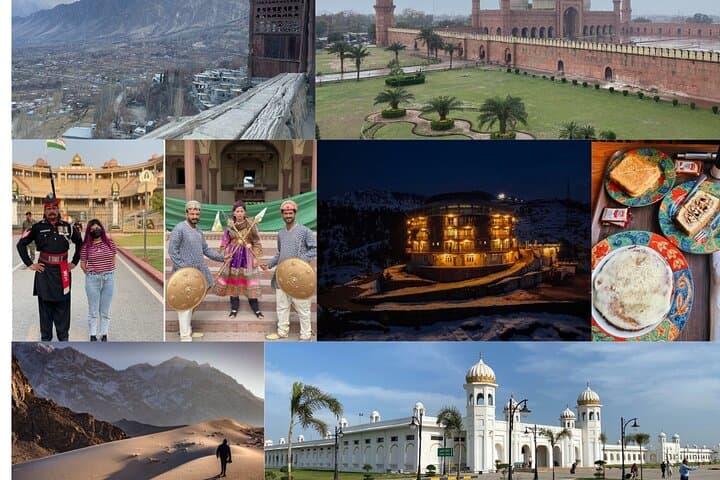
You step from an air-conditioned vehicle into Lahore's dawn, chai steam and mosque domes cutting the cool light. Streets hum with vendors; the city’s red sandstone forts and Mughal calligraphy confront modern traffic in a compact, sensory whole. This tour moves from urban intensity to high-valley solitude—Badshahi Mosque and the Wazir Khan quarter give way to the ruined ramparts of Rohtas, the bazaars of Peshawar, and finally the bright, ritual rhythms of the Kalash valleys.
You step from an air-conditioned vehicle into Lahore's dawn, chai steam and mosque domes cutting the cool light. Streets hum with vendors; the city’s red sandstone forts and Mughal calligraphy confront modern traffic in a compact, sensory whole. This tour moves from urban intensity to high-valley solitude—Badshahi Mosque and the Wazir Khan quarter give way to the ruined ramparts of Rohtas, the bazaars of Peshawar, and finally the bright, ritual rhythms of the Kalash valleys.
Historically this route threads imperial Mughal capitals, Pashtun caravan arteries and isolated Indo-European pockets of the Kalash people. Geology shifts as you travel: the alluvial plains around Lahore, the salt-and-limestone folds east of the Indus, then the steep, glaciated spurs of the Hindukush that shelter the Kalash. The Kalash maintain animist festivals, unique dress and winemaking traditions—an unusual continuity of pre-Islamic local culture.
Practical guide: expect long drives on mixed tarmac and mountain roads, light village walks and market wandering rather than technical trekking. Temperatures vary—intense sun on the plains, cooler nights in Rumboor. Local guides arrange police checkpoints where required; travel is private and paced across roughly 10 days.
Pack layered clothing, sun protection and a basic first-aid kit; bring quiet curiosity for close-up cultural exchanges—tea shops, caravanserai courtyards and Sufi musical nights reward patience. Respect photography boundaries in tribal areas and ask before photographing people. The route is best between late spring and early autumn when mountain passes are accessible and village festivals are in full color.