THE ADVENTURE COLLECTIVE® · Independent discovery and booking for outdoor travel

Board a small motorboat into the mangrove tunnels of Tres Palos Lagoon for a hands-on turtle release, birdwatching and a visit to a crocodile farm. This 6‑hour eco‑tour combines wildlife encounters with local Afro‑Mexican cultural insights and beachside conservation.
Board a small motorboat into the mangrove tunnels of Tres Palos Lagoon for a hands-on turtle release, birdwatching and a visit to a crocodile farm. This 6‑hour eco‑tour combines wildlife encounters with local Afro‑Mexican cultural insights and beachside conservation.
You push off from a small wooden dock as mangrove roots peel away from the shoreline, the outboard humming like a steady heartbeat. Salt and green—mango groves on the road in, the lagoon’s tannin-dark water framed by a ribbon of mangroves—set the scene for a day that moves between careful observation and hands-on conservation.
Verified experiences and guided adventures in the surrounding area.
Operated by Asistur Acapulco · Acapulco, Guerrero
You push off from a small wooden dock as mangrove roots peel away from the shoreline, the outboard humming like a steady heartbeat. Salt and green—mango groves on the road in, the lagoon’s tannin-dark water framed by a ribbon of mangroves—set the scene for a day that moves between careful observation and hands-on conservation.
Tres Palos is an estuarine system on Guerrero’s Pacific coast where currents, sediments and local fishing traditions shaped both landscape and livelihood. The area has long been influenced by Afro-Mexican communities along the Costa Chica; their fishing knowledge and small-scale agriculture remain visible from the water. Geologically this is a shallow coastal lagoon fed by seasonal streams, with mudflats that support mangrove roots and a floating flora of marsh plants.
Expect narrow mangrove canals, a floating garden of wild blossoms, and birdlife that treats the lagoon like a private runway. The program combines a guided boat ride with a turtle-release event—typically hatchlings carried to the surf—and a visit to a local crocodile farm where guides explain captive management and the species’ role in the ecosystem.
Practical side: the tour runs about six hours with hotel pickup, light snacks and lunch included. Wear water-resistant shoes, sun protection and bring insect repellent and motion-sickness medication if you’re prone. Respect the guides’ instructions during the turtle release and keep photos non-intrusive. Cash is useful for small purchases in the village. The experience is low-impact if visitors follow wildlife rules, making it suitable for families and anyone seeking a hands-on coastal nature day.
easy.
6 hours.
Suitable for most fitness levels; involves short walks to release sites and boarding small boats.
Yes—this tour is family‑friendly and listed as suitable for all fitness levels; children should be supervised during the turtle release and near the croc farm.
Turtle hatchlings are typically escorted to the water by guides; handling is controlled to protect hatchling survival. Crocodile interactions are observational and guided—direct handling is not permitted for safety.
Lunch (fish, chicken or local Mexican cuisine) and bottled water are included; a vegetarian option is available if requested at booking.
Yes—hotel pickup and drop‑off in the Acapulco area are included; confirm your pickup point and flight or arrival details when booking.
The Costa Chica coast near Acapulco has a strong Afro‑Mexican presence dating to colonial and post‑colonial eras; fishing and coastal agriculture shaped local culture and boatbuilding traditions.
Turtle releases and community education are part of local conservation efforts; visitors should follow guide instructions to avoid disturbing nests and minimize plastic waste.
Asistur Acapulco operates guided outdoor trips and adventures with an emphasis on safety, stewardship, and memorable experiences.


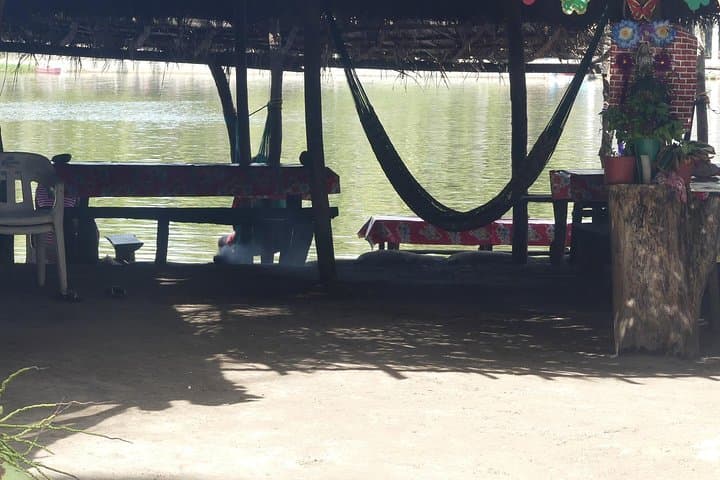
You push off from a small wooden dock as mangrove roots peel away from the shoreline, the outboard humming like a steady heartbeat. Salt and green—mango groves on the road in, the lagoon’s tannin-dark water framed by a ribbon of mangroves—set the scene for a day that moves between careful observation and hands-on conservation.
You push off from a small wooden dock as mangrove roots peel away from the shoreline, the outboard humming like a steady heartbeat. Salt and green—mango groves on the road in, the lagoon’s tannin-dark water framed by a ribbon of mangroves—set the scene for a day that moves between careful observation and hands-on conservation.
Tres Palos is an estuarine system on Guerrero’s Pacific coast where currents, sediments and local fishing traditions shaped both landscape and livelihood. The area has long been influenced by Afro-Mexican communities along the Costa Chica; their fishing knowledge and small-scale agriculture remain visible from the water. Geologically this is a shallow coastal lagoon fed by seasonal streams, with mudflats that support mangrove roots and a floating flora of marsh plants.
Expect narrow mangrove canals, a floating garden of wild blossoms, and birdlife that treats the lagoon like a private runway. The program combines a guided boat ride with a turtle-release event—typically hatchlings carried to the surf—and a visit to a local crocodile farm where guides explain captive management and the species’ role in the ecosystem.
Practical side: the tour runs about six hours with hotel pickup, light snacks and lunch included. Wear water-resistant shoes, sun protection and bring insect repellent and motion-sickness medication if you’re prone. Respect the guides’ instructions during the turtle release and keep photos non-intrusive. Cash is useful for small purchases in the village. The experience is low-impact if visitors follow wildlife rules, making it suitable for families and anyone seeking a hands-on coastal nature day.