THE ADVENTURE COLLECTIVE® · Independent discovery and booking for outdoor travel

Board the legendary Tren a las Nubes from Salta for a full-day ascent into the high Andes. This guided bus-and-train tour delivers dramatic viaduct views, high-altitude towns, and local craft markets — all in a single long, unforgettable day.
Board the legendary Tren a las Nubes from Salta for a full-day ascent into the high Andes. This guided bus-and-train tour delivers dramatic viaduct views, high-altitude towns, and local craft markets — all in a single long, unforgettable day.
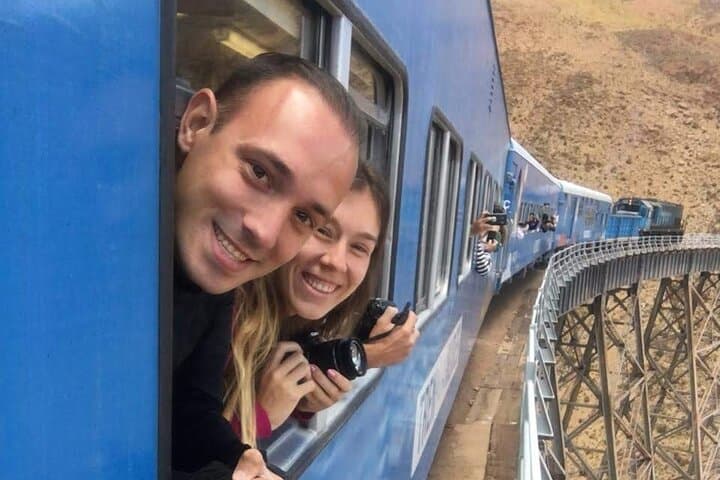
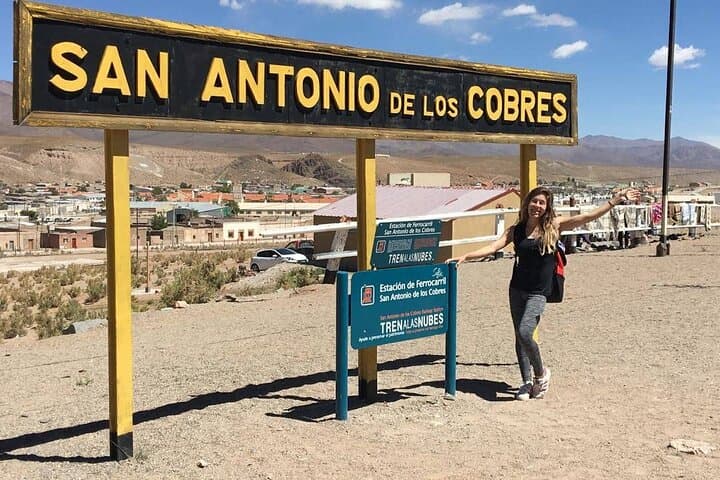
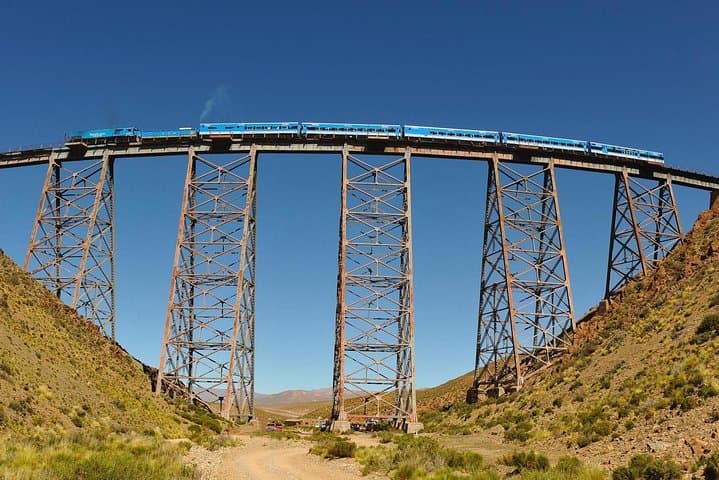
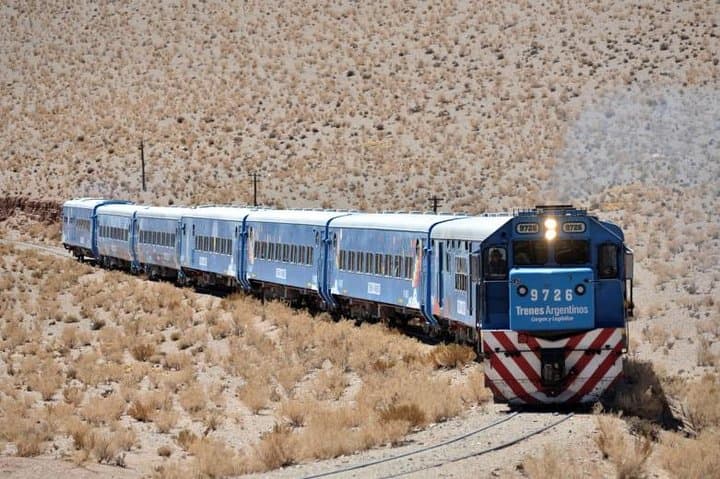
You step onto the bus before dawn in Salta and watch the city lights shrink as the road climbs toward the high Andean plateau. The air thins, the scrub changes to open puna, and the train — the famed Tren a las Nubes — waits at San Antonio de los Cobres to push you past switchbacks and salt-tinted slopes to the La Polvorilla viaduct.
Verified experiences and guided adventures in the surrounding area.
Operated by Tangol · Salta, Salta
You step onto the bus before dawn in Salta and watch the city lights shrink as the road climbs toward the high Andean plateau. The air thins, the scrub changes to open puna, and the train — the famed Tren a las Nubes — waits at San Antonio de los Cobres to push you past switchbacks and salt-tinted slopes to the La Polvorilla viaduct.
The route has roots in early 20th-century railway projects built to serve mining and connect remote highlands to coastal ports; engineering here is as much about climbing as about patience. Geologically, you move from fertile Lerma Valley sediment to volcanic and folded Andean uplift, passing quebrada cuts and wind-sculpted badlands. Culturally the day threads through small altiplano towns where Quechua and Andean traditions remain strong — artisans at El Alfarcito and local markets keep living crafts and foods in view.
Practically, expect a long day: transfers from Salta, a 3–4 hour bus climb to San Antonio de los Cobres, and a train segment that reaches roughly 4,000–4,200 m at the Polvorilla viaduct. Dress in layers for sun, wind and sudden chill; hydration and pace matter more than speed. Photography stops are frequent but brief; bring cash for crafts and light snacks during free-time in town. If you have cardiovascular concerns or acute altitude sensitivity, consult a doctor first. The trip is low-technical but high-altitude — an immersive, accessible way to meet the Andes on their own terms.
easy.
14 hours.
Suitable for travelers in average physical condition; expect long periods seated, short on-foot stops and light walking at altitude
The total tour runs about 14 hours door-to-door from Salta, including bus transfers, train segments and scheduled stops.
Yes, the tour is suitable for most ages but not recommended for people with serious heart or respiratory conditions due to high altitude; minimum age is 4 years.
There is a country breakfast and free time in San Antonio de los Cobres to buy crafts and lunch; carry small bills for market purchases.
It operates in most weather but may be cancelled for safety in extreme conditions; all sales are final so confirm schedules and weather policies before travel.
The highland railway was developed to serve mining and trade routes in the early 20th century; the Polvorilla viaduct became an emblem of ambitious mountain engineering.
The puna is fragile: stick to trails in village zones, avoid single-use plastics, and support local artisans whose income aids community resilience.
Tangol operates guided outdoor trips and adventures with an emphasis on safety, stewardship, and memorable experiences.
You step onto the bus before dawn in Salta and watch the city lights shrink as the road climbs toward the high Andean plateau. The air thins, the scrub changes to open puna, and the train — the famed Tren a las Nubes — waits at San Antonio de los Cobres to push you past switchbacks and salt-tinted slopes to the La Polvorilla viaduct.
You step onto the bus before dawn in Salta and watch the city lights shrink as the road climbs toward the high Andean plateau. The air thins, the scrub changes to open puna, and the train — the famed Tren a las Nubes — waits at San Antonio de los Cobres to push you past switchbacks and salt-tinted slopes to the La Polvorilla viaduct.
The route has roots in early 20th-century railway projects built to serve mining and connect remote highlands to coastal ports; engineering here is as much about climbing as about patience. Geologically, you move from fertile Lerma Valley sediment to volcanic and folded Andean uplift, passing quebrada cuts and wind-sculpted badlands. Culturally the day threads through small altiplano towns where Quechua and Andean traditions remain strong — artisans at El Alfarcito and local markets keep living crafts and foods in view.
Practically, expect a long day: transfers from Salta, a 3–4 hour bus climb to San Antonio de los Cobres, and a train segment that reaches roughly 4,000–4,200 m at the Polvorilla viaduct. Dress in layers for sun, wind and sudden chill; hydration and pace matter more than speed. Photography stops are frequent but brief; bring cash for crafts and light snacks during free-time in town. If you have cardiovascular concerns or acute altitude sensitivity, consult a doctor first. The trip is low-technical but high-altitude — an immersive, accessible way to meet the Andes on their own terms.