THE ADVENTURE COLLECTIVE® · Independent discovery and booking for outdoor travel

Walk through Treme with a cultural ambassador and hear the stories of Free People of Color, Black Mardi Gras Indians, and the neighborhood’s enduring traditions. This 2‑hour guided route highlights Congo Square, Creole architecture, and living music culture.
Walk through Treme with a cultural ambassador and hear the stories of Free People of Color, Black Mardi Gras Indians, and the neighborhood’s enduring traditions. This 2‑hour guided route highlights Congo Square, Creole architecture, and living music culture.
You step off Rampart Street into a neighborhood where porches lean forward and the pavement remembers songs — Treme’s streets hum with brass and conversation. The guide moves with the rhythm of the block, pointing out Creole cottages, wrought-iron balconies, and the shutters that have weathered hurricanes and celebration alike.
Verified experiences and guided adventures in the surrounding area.
Operated by Tours By NOLA - New Orleans Local Artists · New Orleans, Louisiana
You step off Rampart Street into a neighborhood where porches lean forward and the pavement remembers songs — Treme’s streets hum with brass and conversation. The guide moves with the rhythm of the block, pointing out Creole cottages, wrought-iron balconies, and the shutters that have weathered hurricanes and celebration alike.
This two-hour walking tour traces the Free People of Color and immigrant Sicilian families who shaped Treme’s character, pausing at Congo Square where enslaved and free people met on Sundays to drum, dance, and trade. The story continues through Creole townhouses and the city’s oldest surviving Creole mansion; nearby museums detail Black Mardi Gras Indian traditions and the neighborhood’s civic activism during Reconstruction and Civil Rights.
Geologically, Treme sits on the Mississippi River Delta’s edge — low-lying streets, raised house foundations, and levee histories appear in passing conversations about water and survival. Culturally, the tour emphasizes living traditions: second-line brass, culinary influences, and community stewardship of sacred sites.
Practical guidance: the route is mostly flat but includes curbs and uneven sidewalks — expect about 1.5–2 miles of walking and periods of standing. Tours accommodate strollers and wheelchairs; public transit access is close. One museum visit is optional and typically requires a separate fee (approx. $25). Bring a refillable water bottle, sun protection, comfortable closed-toe shoes, and a light layer for variable weather. Group size is capped (around 28); tours require a minimum of two guests. Arrive early to find the meeting point, and be prepared to listen — Treme’s stories are best heard on foot, with attention and respect for living memory.
easy.
2 hours.
Light to moderate — able to walk 1.5–2 miles and stand for periods without difficulty
Yes — the operator notes wheelchair and stroller accessibility, but surfaces may be uneven; contact the operator ahead for specific assistance.
The museum visit mentioned is optional and typically requires a separate fee (~$25); buy directly from the museum if you want to guarantee entry.
Full refunds are available if you cancel at least 24 hours before the scheduled departure; check your booking confirmation for details.
Meeting points are in the Treme neighborhood near Louis Armstrong Park/Congo Square; the tour runs about two hours with a maximum of ~28 guests.
Treme is one of the oldest African American neighborhoods in the U.S.; Congo Square served as a weekly gathering place where music and trade sustained cultural life through slavery and beyond.
Tours emphasize respectful visitation to protect sacred sites and encourage supporting local cultural institutions; avoid littering and follow the guide’s directions to minimize impact.
Tours By NOLA - New Orleans Local Artists operates guided outdoor trips and adventures with an emphasis on safety, stewardship, and memorable experiences.


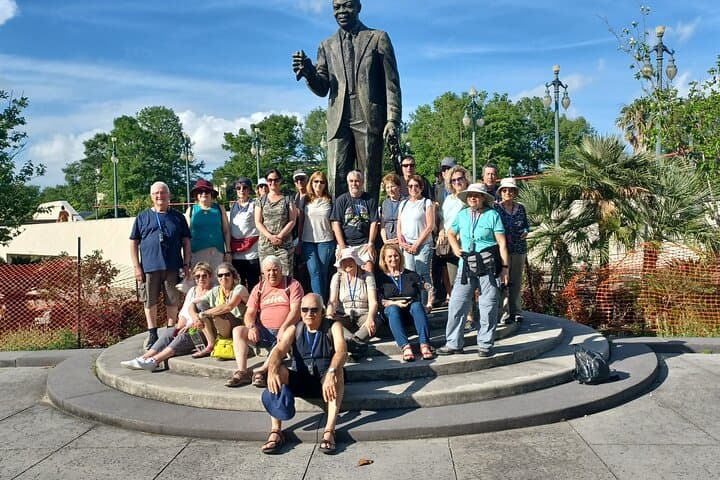
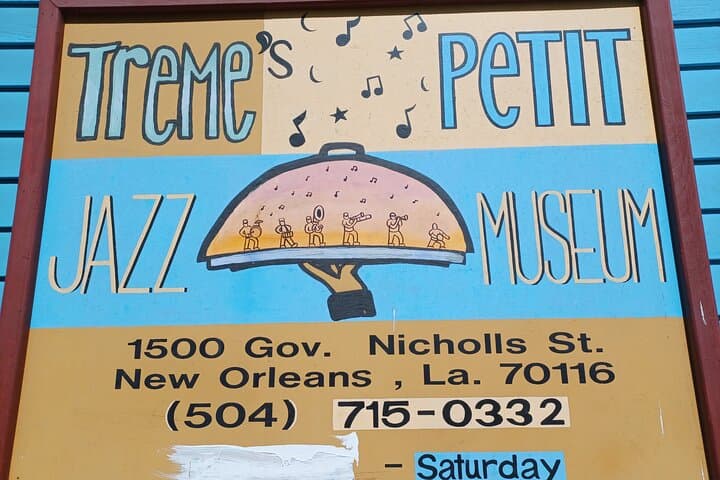
You step off Rampart Street into a neighborhood where porches lean forward and the pavement remembers songs — Treme’s streets hum with brass and conversation. The guide moves with the rhythm of the block, pointing out Creole cottages, wrought-iron balconies, and the shutters that have weathered hurricanes and celebration alike.
You step off Rampart Street into a neighborhood where porches lean forward and the pavement remembers songs — Treme’s streets hum with brass and conversation. The guide moves with the rhythm of the block, pointing out Creole cottages, wrought-iron balconies, and the shutters that have weathered hurricanes and celebration alike.
This two-hour walking tour traces the Free People of Color and immigrant Sicilian families who shaped Treme’s character, pausing at Congo Square where enslaved and free people met on Sundays to drum, dance, and trade. The story continues through Creole townhouses and the city’s oldest surviving Creole mansion; nearby museums detail Black Mardi Gras Indian traditions and the neighborhood’s civic activism during Reconstruction and Civil Rights.
Geologically, Treme sits on the Mississippi River Delta’s edge — low-lying streets, raised house foundations, and levee histories appear in passing conversations about water and survival. Culturally, the tour emphasizes living traditions: second-line brass, culinary influences, and community stewardship of sacred sites.
Practical guidance: the route is mostly flat but includes curbs and uneven sidewalks — expect about 1.5–2 miles of walking and periods of standing. Tours accommodate strollers and wheelchairs; public transit access is close. One museum visit is optional and typically requires a separate fee (approx. $25). Bring a refillable water bottle, sun protection, comfortable closed-toe shoes, and a light layer for variable weather. Group size is capped (around 28); tours require a minimum of two guests. Arrive early to find the meeting point, and be prepared to listen — Treme’s stories are best heard on foot, with attention and respect for living memory.