THE ADVENTURE COLLECTIVE® · Independent discovery and booking for outdoor travel

Walk from Storyville’s jazz-born corners through Tremé’s history-rich blocks to St. Augustine Church and the Tomb of the Unknown Slave. This 2–3 hour guided tour pairs lively storytelling with on-the-ground urban history.
Walk from Storyville’s jazz-born corners through Tremé’s history-rich blocks to St. Augustine Church and the Tomb of the Unknown Slave. This 2–3 hour guided tour pairs lively storytelling with on-the-ground urban history.
You step off Basin Street into a pulse of brass and memory: sidewalks warmed by sun, ironwork shading storefronts, and a guide whose voice threads local names into place.
Verified experiences and guided adventures in the surrounding area.
Operated by Historic New Orleans Tours · New Orleans, Louisiana
You step off Basin Street into a pulse of brass and memory: sidewalks warmed by sun, ironwork shading storefronts, and a guide whose voice threads local names into place.
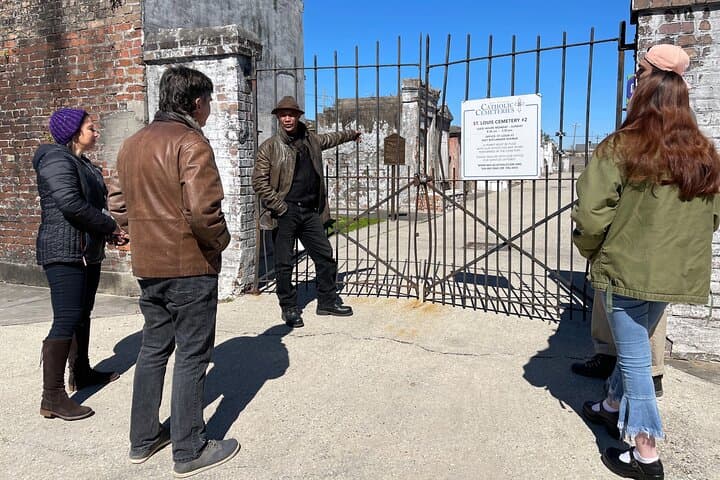
This 2¼-hour walk threads Storyville's red-light relics, the sheltered graves of St. Louis Cemetery’s monumental stones, and Tremé's streets where Creole, African and Catholic traditions met and made New Orleans music and ritual. Geology here is subtle but crucial — the city sits on deltaic deposits of the Mississippi, a low-lying grid shaped by levees and raised sidewalks; the river's moods still contour neighborhoods and festivals alike.
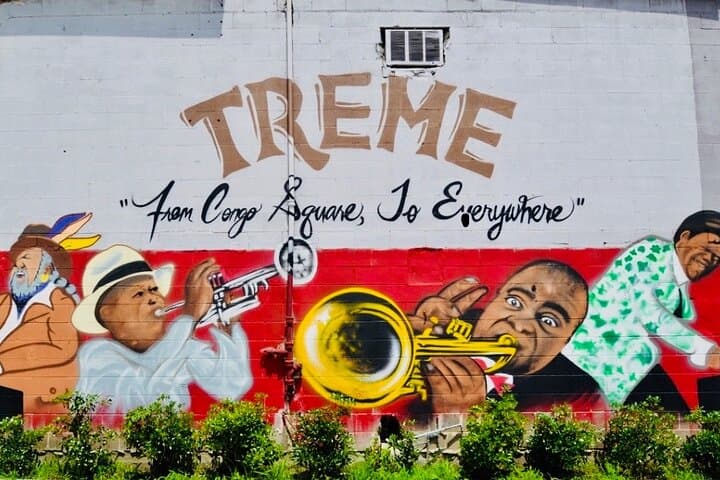
Expect stops at the oldest surviving Black Catholic parish, stories about Congo Square and early jazz, and the Tomb of the Unknown Slave — a rare public memorial that anchors difficult history in a quiet plot.
Practically: the route is largely paved but can include uneven curbs and narrow sidewalks; plan for about 2–3 hours on foot with standing at interpretive stops. Guides are licensed local historians who will point out architecture, social history, and contemporary cultural resilience.
Bring sun protection and a reusable water bottle; carry small bills for incidental donations or museum entries. If you visit during festival season, allow extra time for crowds and street closures. Wear sturdy shoes—sidewalks, cemetery steps, and occasional rubble demand it.
The walk is equal parts classroom and alleyway: expect curious detours, frank conversations about race and labor, and moments where the city’s soundscape — horns, conversation, the river beyond — becomes part of the tour.
moderate.
2–3 hours.
Moderate: sustained walking and standing, some stair or curb negotiation; suitable for people comfortable with urban strolls.
The tour lasts about 2–2.5 hours and covers roughly 1.5–2 miles of city streets with multiple short stops and standing periods.
The operator lists wheelchair and stroller accessibility, but some routes include narrow sidewalks and cemetery steps — contact the provider in advance to confirm accessible routing.
Admission is not required for the outdoor stops; small donations to local museums or the church are appreciated but not required.
Tours are led in English with groups capped (usually around 20). Private or specialized language tours may be available on request.
Tremé is one of the oldest Black neighborhoods in the U.S.; Storyville, once the regulated red-light district, was a crucible for early jazz and cultural exchange.
Respect historic cemeteries and church grounds: stay on paths, avoid touching fragile monuments, and support community-led cultural institutions when possible.
Historic New Orleans Tours operates guided outdoor trips and adventures with an emphasis on safety, stewardship, and memorable experiences.

You step off Basin Street into a pulse of brass and memory: sidewalks warmed by sun, ironwork shading storefronts, and a guide whose voice threads local names into place.
You step off Basin Street into a pulse of brass and memory: sidewalks warmed by sun, ironwork shading storefronts, and a guide whose voice threads local names into place.
This 2¼-hour walk threads Storyville's red-light relics, the sheltered graves of St. Louis Cemetery’s monumental stones, and Tremé's streets where Creole, African and Catholic traditions met and made New Orleans music and ritual. Geology here is subtle but crucial — the city sits on deltaic deposits of the Mississippi, a low-lying grid shaped by levees and raised sidewalks; the river's moods still contour neighborhoods and festivals alike.
Expect stops at the oldest surviving Black Catholic parish, stories about Congo Square and early jazz, and the Tomb of the Unknown Slave — a rare public memorial that anchors difficult history in a quiet plot.
Practically: the route is largely paved but can include uneven curbs and narrow sidewalks; plan for about 2–3 hours on foot with standing at interpretive stops. Guides are licensed local historians who will point out architecture, social history, and contemporary cultural resilience.
Bring sun protection and a reusable water bottle; carry small bills for incidental donations or museum entries. If you visit during festival season, allow extra time for crowds and street closures. Wear sturdy shoes—sidewalks, cemetery steps, and occasional rubble demand it.
The walk is equal parts classroom and alleyway: expect curious detours, frank conversations about race and labor, and moments where the city’s soundscape — horns, conversation, the river beyond — becomes part of the tour.