THE ADVENTURE COLLECTIVE® · Independent discovery and booking for outdoor travel

A multi-day trek through northern Tunisia that links Ain Draham’s forest trails, Tabarka’s coast and the Roman ruins of Dougga. Expect varied terrain, cultural stops and moderate daily distances suited to hikers with steady fitness.
A multi-day trek through northern Tunisia that links Ain Draham’s forest trails, Tabarka’s coast and the Roman ruins of Dougga. Expect varied terrain, cultural stops and moderate daily distances suited to hikers with steady fitness.
You step off the air-conditioned transfer into cool, resin-scented air — Ain Draham’s forest pulls at your boots and eyes alike. Pines slope toward limestone ridges; mist lingers in hollows while distant cliffs above the Tabarka coast catch late light. The route shifts daily from coastal sand and reef-scarred coves to shaded forest tracks and the stony silence of Roman ruins.
Verified experiences and guided adventures in the surrounding area.
Operated by Tunez-Monumental · Aïn Draham, Jendouba
You step off the air-conditioned transfer into cool, resin-scented air — Ain Draham’s forest pulls at your boots and eyes alike. Pines slope toward limestone ridges; mist lingers in hollows while distant cliffs above the Tabarka coast catch late light. The route shifts daily from coastal sand and reef-scarred coves to shaded forest tracks and the stony silence of Roman ruins.
This multi-day trek threads together distinct chapters of northern Tunisia: Roman Dougga’s colonnades and theaters speak to an imperial past carved into carbonate plateaus; Tabarka’s coral-rich shores point to a Mediterranean shaped by currents and fishing cultures. Ain Draham’s higher rainfall and cedar stands are unusual in Tunisia, creating microclimates that support workshops, thermal springs and rural crafts — pottery and olive farming remain part of everyday life.
Expect variable terrain: forest paths with leaf litter and roots, short uphill pitches on limestone scree, and coastal boardwalks or beach sand. Guides typically pace the itinerary for moderate fitness levels and include village visits and two- to three-night hotel stays rather than wilderness camping. Weather can flip quickly — sun warms the valleys, while wind drives sea spray and evening temperatures drop.
Practical guidance: bring layered clothing, waterproofs and a solid pair of hiking boots with good grip. Carry at least 2–3 liters of water per day and a basic first-aid kit; snacks with electrolytes help on longer transfers. Plan for early starts to avoid midday heat on exposed coastal sections and allocate recovery time after the archaeological visits — Dougga rewards slow exploration. Respect local customs in villages, keep to marked trails to limit erosion, and book through licensed guides to support local conservation and economies.
moderate.
4 days.
Suitable for hikers with regular activity — able to handle 4–6 hours of walking and short elevation changes each day
Moderate fitness: expect daily walks of several hours with short climbs; prior hiking experience helps but no technical climbing skills are required.
Yes — the itinerary uses local hotels (four-star options listed) with breakfasts and several dinners included as noted in the itinerary.
Yes — air-conditioned vehicle transfers are included for the multi-day circuit between Beja, Tabarka, Ain Draham and Dougga.
Travelers should carry a valid passport; specific visa requirements depend on nationality—check Tunisia’s entry rules and provide requested passport info at booking.
The route connects Roman Dougga — a UNESCO site with theaters and temples — to coastal towns shaped by Phoenician, Roman and Ottoman influence.
Aïn Draham’s higher-rainfall forests are ecologically sensitive; stay on trails to prevent erosion, minimize fire risk and support local guide services that prioritize low-impact tourism.
Tunez-Monumental operates guided outdoor trips and adventures with an emphasis on safety, stewardship, and memorable experiences.
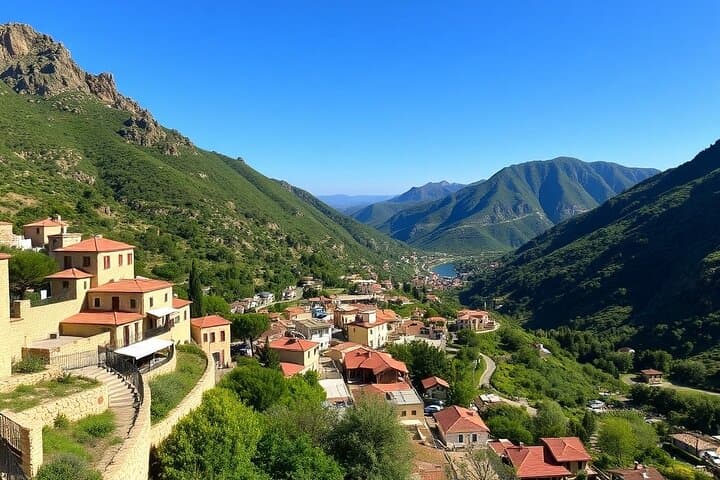
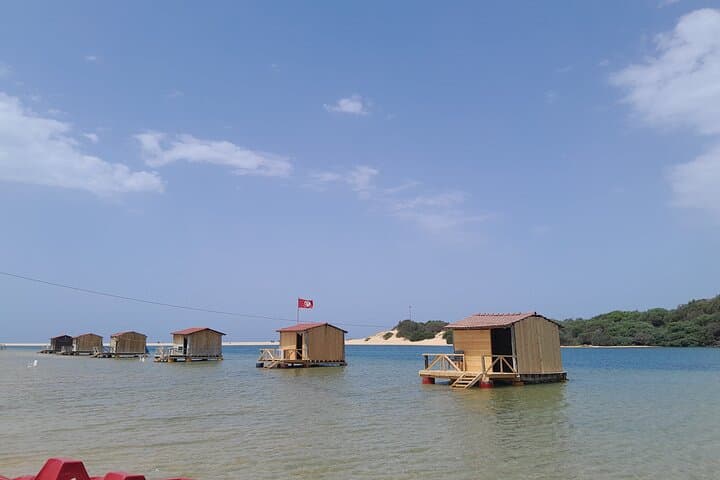
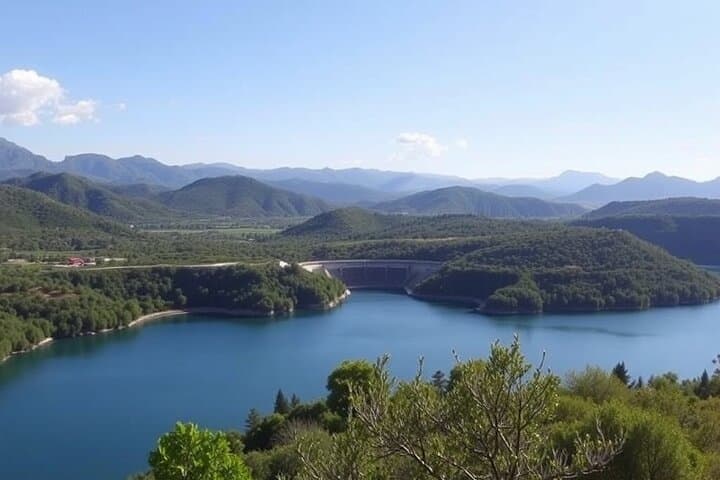
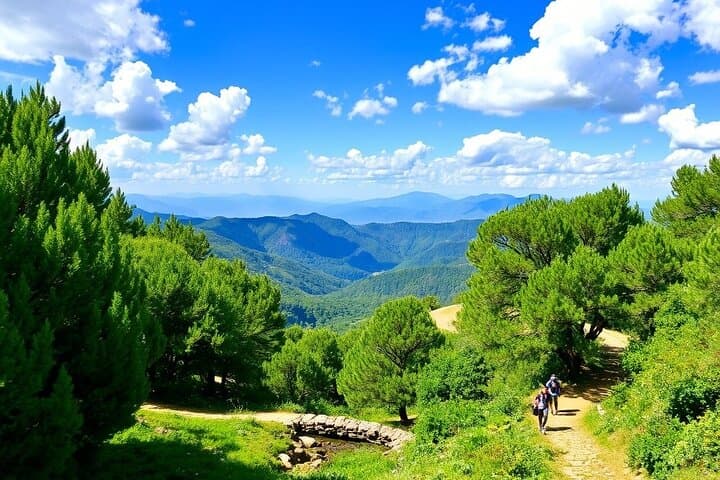
You step off the air-conditioned transfer into cool, resin-scented air — Ain Draham’s forest pulls at your boots and eyes alike. Pines slope toward limestone ridges; mist lingers in hollows while distant cliffs above the Tabarka coast catch late light. The route shifts daily from coastal sand and reef-scarred coves to shaded forest tracks and the stony silence of Roman ruins.
You step off the air-conditioned transfer into cool, resin-scented air — Ain Draham’s forest pulls at your boots and eyes alike. Pines slope toward limestone ridges; mist lingers in hollows while distant cliffs above the Tabarka coast catch late light. The route shifts daily from coastal sand and reef-scarred coves to shaded forest tracks and the stony silence of Roman ruins.
This multi-day trek threads together distinct chapters of northern Tunisia: Roman Dougga’s colonnades and theaters speak to an imperial past carved into carbonate plateaus; Tabarka’s coral-rich shores point to a Mediterranean shaped by currents and fishing cultures. Ain Draham’s higher rainfall and cedar stands are unusual in Tunisia, creating microclimates that support workshops, thermal springs and rural crafts — pottery and olive farming remain part of everyday life.
Expect variable terrain: forest paths with leaf litter and roots, short uphill pitches on limestone scree, and coastal boardwalks or beach sand. Guides typically pace the itinerary for moderate fitness levels and include village visits and two- to three-night hotel stays rather than wilderness camping. Weather can flip quickly — sun warms the valleys, while wind drives sea spray and evening temperatures drop.
Practical guidance: bring layered clothing, waterproofs and a solid pair of hiking boots with good grip. Carry at least 2–3 liters of water per day and a basic first-aid kit; snacks with electrolytes help on longer transfers. Plan for early starts to avoid midday heat on exposed coastal sections and allocate recovery time after the archaeological visits — Dougga rewards slow exploration. Respect local customs in villages, keep to marked trails to limit erosion, and book through licensed guides to support local conservation and economies.