THE ADVENTURE COLLECTIVE® · Independent discovery and booking for outdoor travel

A day hike from Senaru brings two dramatic waterfalls—Sendang Gile and Tiu Kelep—set on the volcanic foothills of Mount Rinjani. This accessible jungle trek combines scenic cascades, Sasak village culture and clear highland pools.
A day hike from Senaru brings two dramatic waterfalls—Sendang Gile and Tiu Kelep—set on the volcanic foothills of Mount Rinjani. This accessible jungle trek combines scenic cascades, Sasak village culture and clear highland pools.
A narrow footpath threads down from the Rinjani ridge into wet tropical shade; leaves drip and the scent of earth and spice trees rises as the sound of falling water grows louder. Arriving at Sendang Gile, the first curtain of water thunders into a wide pool, then the trail pushes on through mossy boulders to the quieter, misted plunge of Tiu Kelep where spray dresses the air.
Verified experiences and guided adventures in the surrounding area.
Operated by Bale Laut Lombok Tour Organizer · Senaru, West Nusa Tenggara
A narrow footpath threads down from the Rinjani ridge into wet tropical shade; leaves drip and the scent of earth and spice trees rises as the sound of falling water grows louder. Arriving at Sendang Gile, the first curtain of water thunders into a wide pool, then the trail pushes on through mossy boulders to the quieter, misted plunge of Tiu Kelep where spray dresses the air.
These falls sit on the northern flank of Mount Rinjani, carved into volcanic foothills and fed by highland streams that drain the caldera. The area is part of Mount Rinjani National Park, where Sasak communities have lived for generations and where local stories give names and meaning to landscape—Sendang Gile’s legend of a fleeing prince and Tiu Kelep’s “flying pool” are commonly told by guides.
The route is a practical jungle trek rather than a technical climb: mixed dirt trails, wooden steps, slippery rock and at least one stream crossing. Expect 30–45 minutes of walking each way from the official trailhead through shaded forest and past rice terraces and traditional thatched houses in Senaru village. Guides often combine the falls with a cultural stop at Senaru Traditional Village and the historic Bayan Beleq mosque.
Bring sturdy shoes, a lightweight rain jacket, and a dry bag for electronics; go early to avoid midday crowds and heat. Respect sacred sites, follow the guide’s directions at river crossings, and carry out any trash. For travelers seeking a compact dose of Rinjani’s geology, culture and rainforest in one day, the Sendang Gile–Tiu Kelep loop delivers clear water, green canopy and local stories with straightforward accessibility.
easy.
8–10 hours.
Light cardiovascular fitness required; able to walk uneven terrain and negotiate short, steep sections
From the official Senaru trailhead expect roughly 30–45 minutes of walking one-way over uneven, sometimes steep terrain.
Some pools at Sendang Gile are suitable for a quick dip, but currents can be strong and rocks are slippery—use caution and follow guide advice.
Guides are not always mandatory but are strongly recommended for local knowledge, safe river crossings and cultural context; day trips commonly include one.
The dry season (roughly May–October) offers easier trail conditions, but early mornings are best year-round to avoid crowds and heat.
The falls lie within Mount Rinjani National Park on land long stewarded by the Sasak people; nearby Bayan Beleq mosque dates to around the 1700s and reflects early Islamic influences on Lombok.
This is protected parkland—stick to trails, avoid stepping on erosion-prone banks, carry out trash, and respect sacred sites and local customs.
Bale Laut Lombok Tour Organizer operates guided outdoor trips and adventures with an emphasis on safety, stewardship, and memorable experiences.
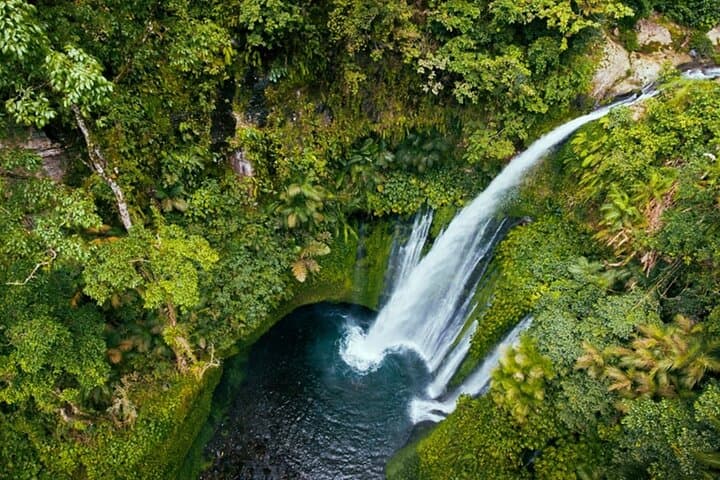
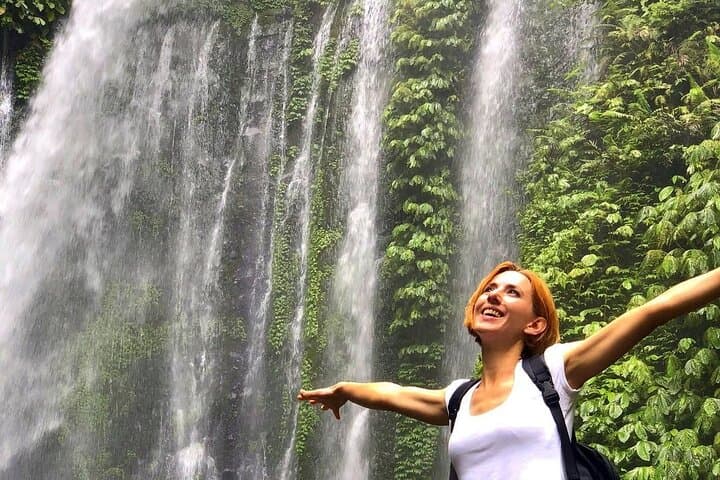
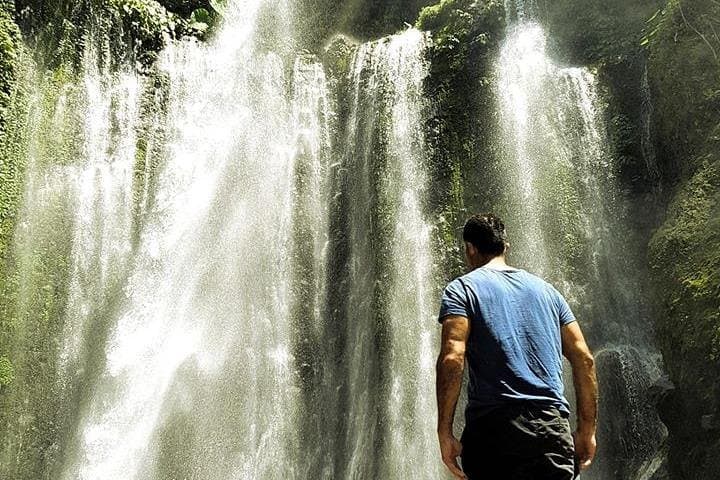
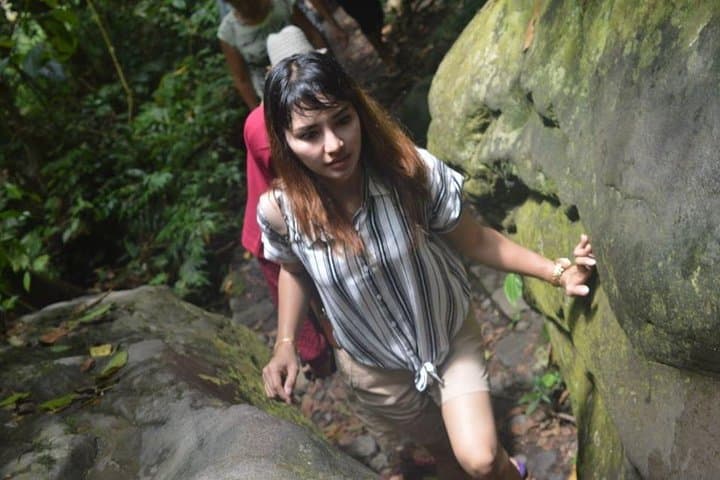
A narrow footpath threads down from the Rinjani ridge into wet tropical shade; leaves drip and the scent of earth and spice trees rises as the sound of falling water grows louder. Arriving at Sendang Gile, the first curtain of water thunders into a wide pool, then the trail pushes on through mossy boulders to the quieter, misted plunge of Tiu Kelep where spray dresses the air.
A narrow footpath threads down from the Rinjani ridge into wet tropical shade; leaves drip and the scent of earth and spice trees rises as the sound of falling water grows louder. Arriving at Sendang Gile, the first curtain of water thunders into a wide pool, then the trail pushes on through mossy boulders to the quieter, misted plunge of Tiu Kelep where spray dresses the air.
These falls sit on the northern flank of Mount Rinjani, carved into volcanic foothills and fed by highland streams that drain the caldera. The area is part of Mount Rinjani National Park, where Sasak communities have lived for generations and where local stories give names and meaning to landscape—Sendang Gile’s legend of a fleeing prince and Tiu Kelep’s “flying pool” are commonly told by guides.
The route is a practical jungle trek rather than a technical climb: mixed dirt trails, wooden steps, slippery rock and at least one stream crossing. Expect 30–45 minutes of walking each way from the official trailhead through shaded forest and past rice terraces and traditional thatched houses in Senaru village. Guides often combine the falls with a cultural stop at Senaru Traditional Village and the historic Bayan Beleq mosque.
Bring sturdy shoes, a lightweight rain jacket, and a dry bag for electronics; go early to avoid midday crowds and heat. Respect sacred sites, follow the guide’s directions at river crossings, and carry out any trash. For travelers seeking a compact dose of Rinjani’s geology, culture and rainforest in one day, the Sendang Gile–Tiu Kelep loop delivers clear water, green canopy and local stories with straightforward accessibility.