THE ADVENTURE COLLECTIVE® · Independent discovery and booking for outdoor travel

A full-day guided trek from Puerto Natales into Torres del Paine’s Ascencio Valley that climbs to the Base Torres viewpoint. Expect steep switchbacks, changing weather, and a memorable view of the granite towers.
A full-day guided trek from Puerto Natales into Torres del Paine’s Ascencio Valley that climbs to the Base Torres viewpoint. Expect steep switchbacks, changing weather, and a memorable view of the granite towers.
The trail opens with wind on your face as the van drops you at the park Welcome Center and the Ascencio Valley spills forward—wide steppe, scrubby lenga forest, and a path that climbs toward the granite towers.
Verified experiences and guided adventures in the surrounding area.
Operated by Tangol · Puerto Natales, Magallanes Region
The trail opens with wind on your face as the van drops you at the park Welcome Center and the Ascencio Valley spills forward—wide steppe, scrubby lenga forest, and a path that climbs toward the granite towers.
You cross braided streams that dare you to hurry, pass Amarga Lagoon’s flat, reflective surface, and enter the channel-cut gorge that funnels the hike toward the final moraine. Geology here is raw: granite towers gouged by glacial ice and sculpted by relentless Patagonian wind. Human history threads through the route too—Tehuelche bands once traversed these valleys, and the park, established in the mid-20th century, safeguards both wildlife and the evolving story of Chilean Patagonia.
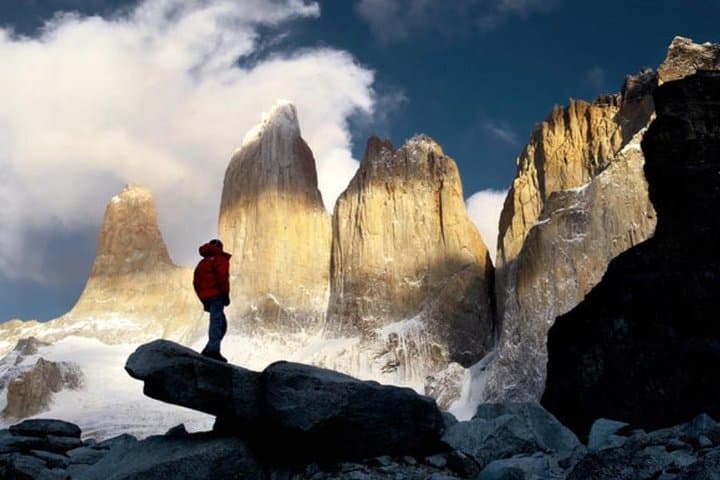
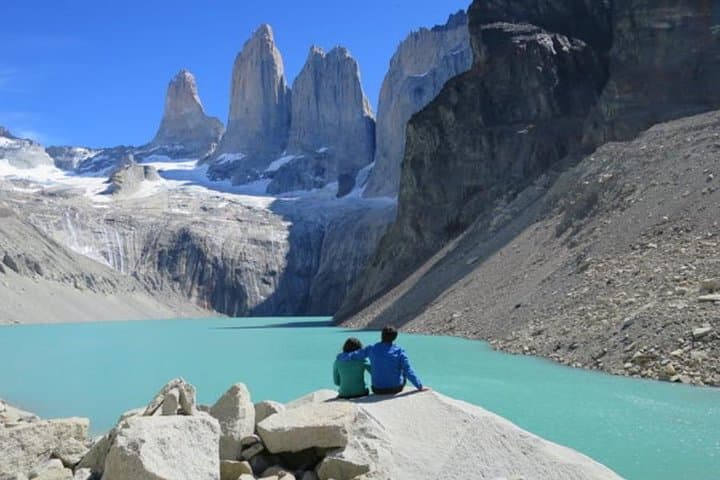
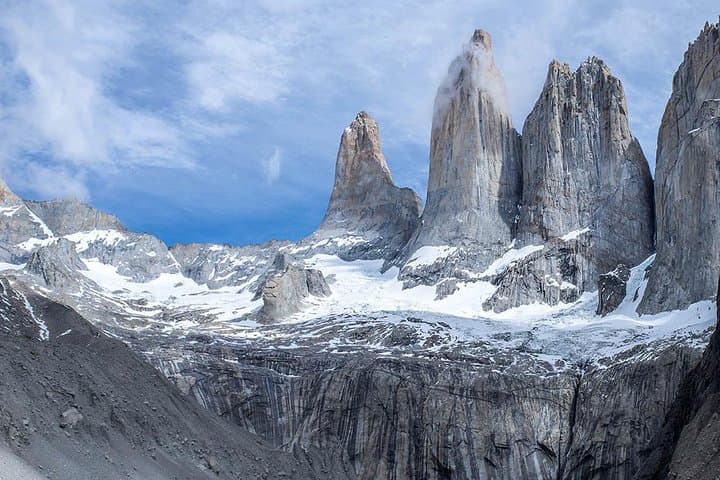
Expect changing light, strong wind, and sudden weather turns—Patagonia pushes back if you’re unprepared. The viewpoint at Base Torres rewards effort with a wide-shot of the three vertical monoliths and the lagoon below, a moment earned after steep switchbacks and rocky steps.
Practical guidance: start early to avoid afternoon weather, carry cash (park entrance fees often require Chilean pesos), and plan for an 8–10 hour outing with steady climbs and uneven terrain. Hydrate frequently, wear a windproof shell and sturdy boots, and leave no trace—trails are fragile and erosion is real. Guides provided on this route know the safest lines and pace; follow them, respect local rules, and the hike becomes a disciplined, unforgettable encounter with one of Patagonia’s most elemental landscapes.
challenging.
8–10 hours.
Moderate to strong cardiovascular fitness; comfortable with sustained uphill hiking and uneven rocky terrain.
Guided itineraries run about 8–10 hours round-trip from the park entrance; the route includes steep climbs and rocky sections.
Fees can often be paid at park gates, but many operators recommend bringing Chilean pesos since card machines are limited.
Travelers should have at least moderate fitness—guides help with pacing, but the hike includes sustained climbs and exposed sections.
The tour notes trekking sticks are included, but you may prefer to use your own for a personalized fit.
Torres del Paine was designated a national park in the mid-20th century; indigenous Tehuelche peoples used these valleys long before formal protection.
Trails and fragile steppe recover slowly—stick to designated routes, carry out all waste, and respect seasonal restrictions to limit erosion and disturbance.
Tangol operates guided outdoor trips and adventures with an emphasis on safety, stewardship, and memorable experiences.
The trail opens with wind on your face as the van drops you at the park Welcome Center and the Ascencio Valley spills forward—wide steppe, scrubby lenga forest, and a path that climbs toward the granite towers.
The trail opens with wind on your face as the van drops you at the park Welcome Center and the Ascencio Valley spills forward—wide steppe, scrubby lenga forest, and a path that climbs toward the granite towers.
You cross braided streams that dare you to hurry, pass Amarga Lagoon’s flat, reflective surface, and enter the channel-cut gorge that funnels the hike toward the final moraine. Geology here is raw: granite towers gouged by glacial ice and sculpted by relentless Patagonian wind. Human history threads through the route too—Tehuelche bands once traversed these valleys, and the park, established in the mid-20th century, safeguards both wildlife and the evolving story of Chilean Patagonia.
Expect changing light, strong wind, and sudden weather turns—Patagonia pushes back if you’re unprepared. The viewpoint at Base Torres rewards effort with a wide-shot of the three vertical monoliths and the lagoon below, a moment earned after steep switchbacks and rocky steps.
Practical guidance: start early to avoid afternoon weather, carry cash (park entrance fees often require Chilean pesos), and plan for an 8–10 hour outing with steady climbs and uneven terrain. Hydrate frequently, wear a windproof shell and sturdy boots, and leave no trace—trails are fragile and erosion is real. Guides provided on this route know the safest lines and pace; follow them, respect local rules, and the hike becomes a disciplined, unforgettable encounter with one of Patagonia’s most elemental landscapes.