THE ADVENTURE COLLECTIVE® · Independent discovery and booking for outdoor travel

Step into a half-day trek that threads tea estates, eucalyptus stands and remnant rainforest between Ella and Haputale. Expect panoramic viewpoints, a railway tunnel section and frequent sightings of langurs and native birds.
Step into a half-day trek that threads tea estates, eucalyptus stands and remnant rainforest between Ella and Haputale. Expect panoramic viewpoints, a railway tunnel section and frequent sightings of langurs and native birds.
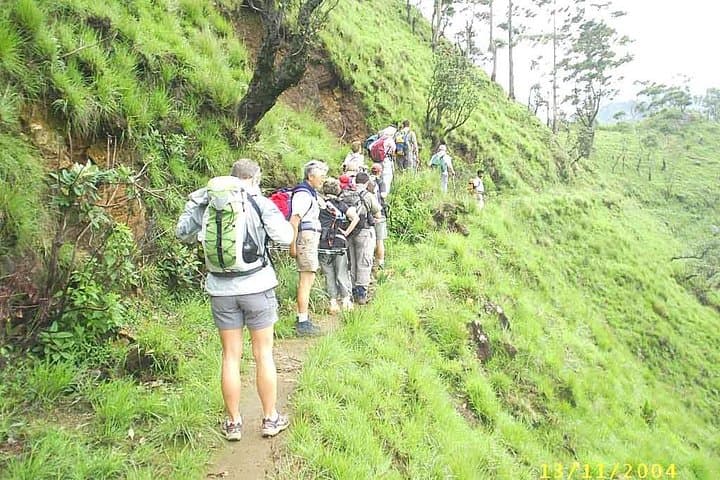
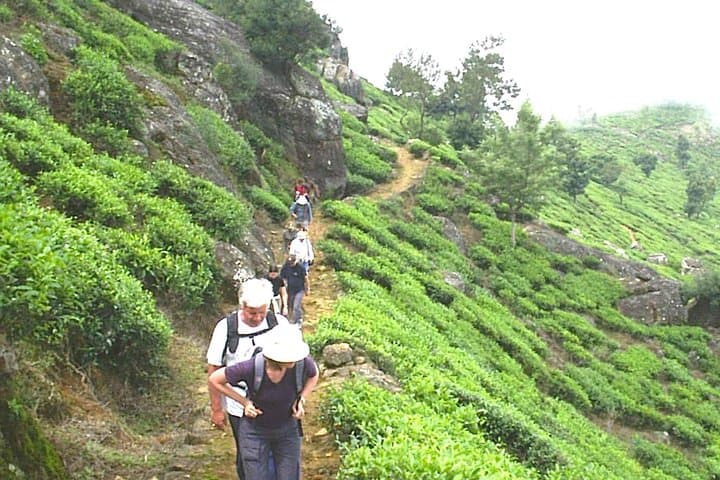
Dawn breaks over emerald slopes as you step off the road and into a strip of trail that threads through pine, eucalyptus and rain forest. The air is sharp with tea-scent and wet earth; birds call from the canopy and a distant train whistles through a cutting, the metal voice of the hill country.
Verified experiences and guided adventures in the surrounding area.
Operated by Sri Lanka Trekking Club · Haputale, Uva Province
Dawn breaks over emerald slopes as you step off the road and into a strip of trail that threads through pine, eucalyptus and rain forest. The air is sharp with tea-scent and wet earth; birds call from the canopy and a distant train whistles through a cutting, the metal voice of the hill country.
This walk follows landscapes shaped by recent uplifted highlands and centuries of plantation agriculture. Tea terraces carve the hills where British colonial planters reworked native forest; now pockets of primary and secondary forest persist in gullies and ridgelines, holding native langurs and shy chevrotains. Local culture here is tied to the estate economy—tea pickers, narrow-gauge rail, and small hillside villages that serve as waypoints on longer treks.
Expect variable terrain: packed dirt, root-strewn tracks, a short section along an active rail line and a tunnel passage used by trains. Wildlife—purple‑faced langurs, toque macaques and crested serpent eagles—moves like a running commentary, at times visible, often heard.
Practical guide: this is a half-day trek (about six hours) with a picnic stop at a panoramic viewpoint. Wear sturdy trail shoes with good grip for wet roots and occasional loose scree. Carry water, insect protection and a lightweight rain shell—showers can arrive quickly in the hills. Keep camera ready but respect wildlife distance; the area is managed for low-impact visits, so stick to the route and pack out waste.
The walk is rewarding for anyone in moderate fitness who wants close-up hill-country scenery, birdlife and the contrasting textures of plantation and native forest.
moderate.
5–7 hours.
Good steady fitness—able to hike uneven terrain for several hours with short elevation changes
The tour lasts about six hours and is rated moderate—uneven terrain and some sustained walking but no technical climbing.
Yes—common sightings include toque macaques, purple‑faced langurs, and a variety of forest birds, though sightings can’t be guaranteed.
Children must be accompanied by an adult; people with serious back, heart or pregnancy conditions are advised not to join due to uneven ground and duration.
The tour typically includes a picnic lunch and a short train-ride section as described; confirm pickup and specific inclusions with the operator.
The hill-country tea estates were established in the 19th century during British colonial rule; many settlements and narrow-gauge rail lines date to that era.
Small forest remnants here are fragile—stay on marked tracks, avoid feeding animals and carry out all waste to reduce disturbance.
Sri Lanka Trekking Club operates guided outdoor trips and adventures with an emphasis on safety, stewardship, and memorable experiences.


Dawn breaks over emerald slopes as you step off the road and into a strip of trail that threads through pine, eucalyptus and rain forest. The air is sharp with tea-scent and wet earth; birds call from the canopy and a distant train whistles through a cutting, the metal voice of the hill country.
Dawn breaks over emerald slopes as you step off the road and into a strip of trail that threads through pine, eucalyptus and rain forest. The air is sharp with tea-scent and wet earth; birds call from the canopy and a distant train whistles through a cutting, the metal voice of the hill country.
This walk follows landscapes shaped by recent uplifted highlands and centuries of plantation agriculture. Tea terraces carve the hills where British colonial planters reworked native forest; now pockets of primary and secondary forest persist in gullies and ridgelines, holding native langurs and shy chevrotains. Local culture here is tied to the estate economy—tea pickers, narrow-gauge rail, and small hillside villages that serve as waypoints on longer treks.
Expect variable terrain: packed dirt, root-strewn tracks, a short section along an active rail line and a tunnel passage used by trains. Wildlife—purple‑faced langurs, toque macaques and crested serpent eagles—moves like a running commentary, at times visible, often heard.
Practical guide: this is a half-day trek (about six hours) with a picnic stop at a panoramic viewpoint. Wear sturdy trail shoes with good grip for wet roots and occasional loose scree. Carry water, insect protection and a lightweight rain shell—showers can arrive quickly in the hills. Keep camera ready but respect wildlife distance; the area is managed for low-impact visits, so stick to the route and pack out waste.
The walk is rewarding for anyone in moderate fitness who wants close-up hill-country scenery, birdlife and the contrasting textures of plantation and native forest.