THE ADVENTURE COLLECTIVE® · Independent discovery and booking for outdoor travel

A six-day guided trek on Mount Ararat moves from high pastures to alpine camps and a pre-dawn summit at 5,137 m. This trip combines staged acclimatisation, local culture in Doğubayazıt, and technical climbing for the final ridge.
A six-day guided trek on Mount Ararat moves from high pastures to alpine camps and a pre-dawn summit at 5,137 m. This trip combines staged acclimatisation, local culture in Doğubayazıt, and technical climbing for the final ridge.
Dawn breaks low against Ararat’s volcanic shoulders and the cold air pinches the face as climbers strap boots and sip tea. The route climbs from a high truck stop at ~2,000 m, moves across pasture and scree to Base Camp 1 at ~3,100 m (8–10 km, ~1,100 m gain), then up to Base Camp 2 at ~4,200 m before a pre-dawn summit push to 5,137 m.
Verified experiences and guided adventures in the surrounding area.
Operated by Goodman Tours · Doğubayazıt, Ağrı Province
Dawn breaks low against Ararat’s volcanic shoulders and the cold air pinches the face as climbers strap boots and sip tea. The route climbs from a high truck stop at ~2,000 m, moves across pasture and scree to Base Camp 1 at ~3,100 m (8–10 km, ~1,100 m gain), then up to Base Camp 2 at ~4,200 m before a pre-dawn summit push to 5,137 m.
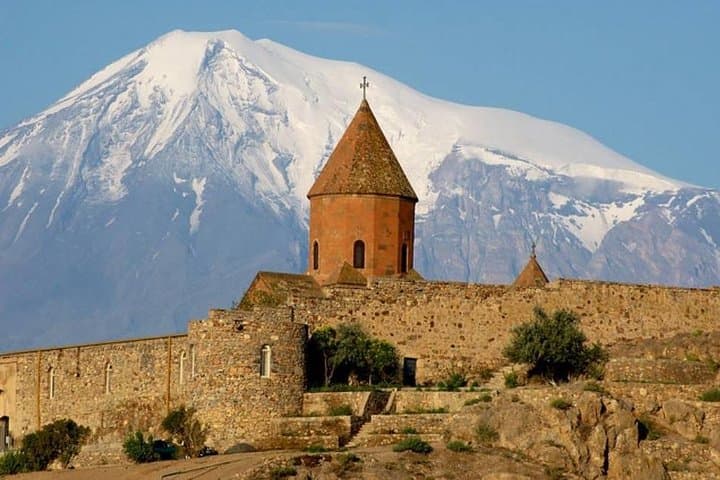
The massif sits on the edge of the Armenian highlands; its lava flows and glaciers record millennia of geologic activity while local Kurdish and Turkish cultures have long framed the mountain in legend. Doğubayazıt, the usual base, carries Ottoman-era architecture like İshak Paşa Palace and offers a cultural counterpoint to the stark, alpine environment.
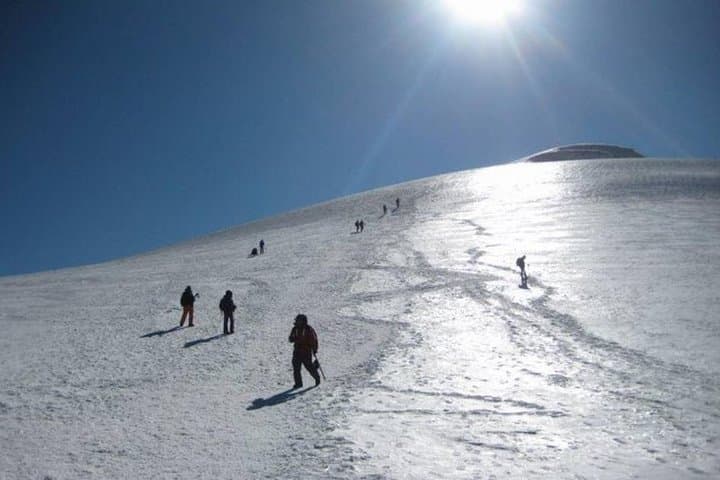
Practically, the itinerary builds acclimatisation into days 2–4—hikes to 4,200 m and back—before a 2:00 am summit start. Expect rock, loose scree and a final hour of snow and ice where crampons and an ice axe are required. Tents and meals are provided; guides arrange the climbing permit (allow weeks to months). Weather can switch from sun to wind-driven snow quickly; meltwater feeds small streams near camps.
Prepare for long days and significant elevation gain: steady pace, layered clothing, and electrolyte hydration matter. Footwear with good ankle support, competence with crampon/axe techniques, and prior high-altitude trekking experience will make success and safety far more likely. The climb is demanding but accessible with professional guides and careful acclimatisation.
difficult.
6 days.
Strong cardiovascular fitness and endurance for sustained elevation gain (multiple days of 8–10 km hikes with 1,000+m gains)
Yes. A special climbing permit is required; professional guides typically obtain it for groups but processing can take weeks to months, so arrange it early.
Summer (June–September) is the primary climbing window with more stable weather and reduced avalanche risk; late spring and early fall can be variable.
The route is non-technical for most of the approach but the final hour involves snow and ice where crampons and an ice axe and basic technique are required.
Follow the itinerary’s acclimatisation days, stay hydrated, avoid alcohol, eat regularly, and inform guides immediately if headaches, nausea, or breathlessness appear—descent is the primary treatment.
Mount Ararat occupies a central place in regional history and folklore and is part of the Armenian highlands with centuries of human presence on its flanks.
The alpine environment is fragile—use established campsites, pack out waste, avoid disturbing water sources and follow guide instructions to minimize impact.
Goodman Tours operates guided outdoor trips and adventures with an emphasis on safety, stewardship, and memorable experiences.
Dawn breaks low against Ararat’s volcanic shoulders and the cold air pinches the face as climbers strap boots and sip tea. The route climbs from a high truck stop at ~2,000 m, moves across pasture and scree to Base Camp 1 at ~3,100 m (8–10 km, ~1,100 m gain), then up to Base Camp 2 at ~4,200 m before a pre-dawn summit push to 5,137 m.
Dawn breaks low against Ararat’s volcanic shoulders and the cold air pinches the face as climbers strap boots and sip tea. The route climbs from a high truck stop at ~2,000 m, moves across pasture and scree to Base Camp 1 at ~3,100 m (8–10 km, ~1,100 m gain), then up to Base Camp 2 at ~4,200 m before a pre-dawn summit push to 5,137 m.
The massif sits on the edge of the Armenian highlands; its lava flows and glaciers record millennia of geologic activity while local Kurdish and Turkish cultures have long framed the mountain in legend. Doğubayazıt, the usual base, carries Ottoman-era architecture like İshak Paşa Palace and offers a cultural counterpoint to the stark, alpine environment.
Practically, the itinerary builds acclimatisation into days 2–4—hikes to 4,200 m and back—before a 2:00 am summit start. Expect rock, loose scree and a final hour of snow and ice where crampons and an ice axe are required. Tents and meals are provided; guides arrange the climbing permit (allow weeks to months). Weather can switch from sun to wind-driven snow quickly; meltwater feeds small streams near camps.
Prepare for long days and significant elevation gain: steady pace, layered clothing, and electrolyte hydration matter. Footwear with good ankle support, competence with crampon/axe techniques, and prior high-altitude trekking experience will make success and safety far more likely. The climb is demanding but accessible with professional guides and careful acclimatisation.