THE ADVENTURE COLLECTIVE® · Independent discovery and booking for outdoor travel

A 7-day guided ascent of Mount Ararat to 5,137 m that combines staged acclimatization, mule-supported camps, and technical glacier sections. Ideal for fit trekkers who prepare for altitude and short technical snow travel.
A 7-day guided ascent of Mount Ararat to 5,137 m that combines staged acclimatization, mule-supported camps, and technical glacier sections. Ideal for fit trekkers who prepare for altitude and short technical snow travel.
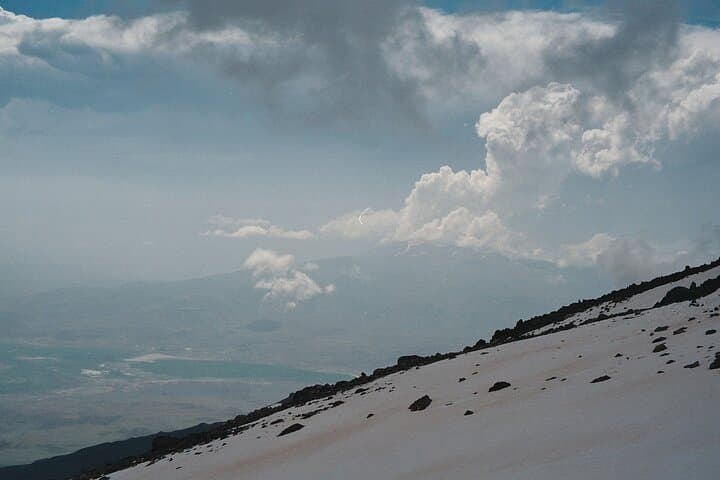
You stand at the foot of Ararat before sunrise: a massive white cone rising above the Anatolian plain, wind already moving like a restless guide. The route climbs from high steppe into wind-scoured scree and snowfields, each camp an exercise in altitude, patience and steady breathing.
Verified experiences and guided adventures in the surrounding area.
Operated by ALKANS TOUR · Dogubeyazit, Van
You stand at the foot of Ararat before sunrise: a massive white cone rising above the Anatolian plain, wind already moving like a restless guide. The route climbs from high steppe into wind-scoured scree and snowfields, each camp an exercise in altitude, patience and steady breathing.
Geologically Ararat is a stratovolcano—layers of lava and ash built over millennia—its twin peaks dominating the Armenian Highlands. The mountain is threaded with history: a borderland of empires, pilgrimage and local Kurdish and Turkish culture in foothill villages such as Dogubeyazit. Guides weave practical local knowledge—weather windows, mule logistics and campground sites—into every day.
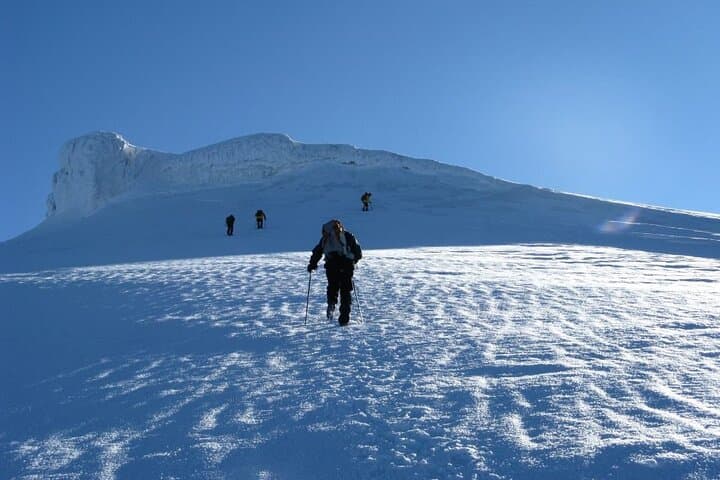
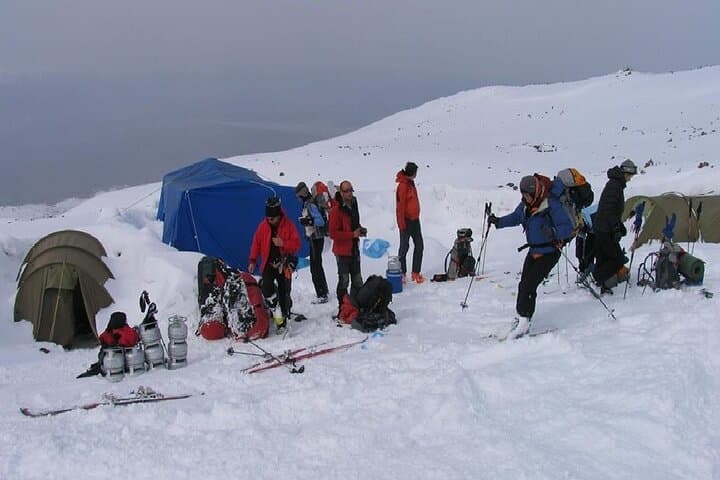
Expect long, uphill days with technical short sections where crampons and an ice axe are used. Mules carry heavy kit; you carry a daypack, water and layers. Acclimatization is built into the itinerary: staged camps and a rest day reduce acute mountain sickness risk but prior fitness and altitude experience matter.
Practical points: aim for late spring to early autumn for the most stable weather; pack layered technical clothing, strong trekking boots and a sleeping bag rated for sub-zero nights. Hydrate aggressively at every stop and move deliberately on steep scree to conserve energy. Permits and official permission are handled by the operator, but carry passport copies; clearances can affect timing.
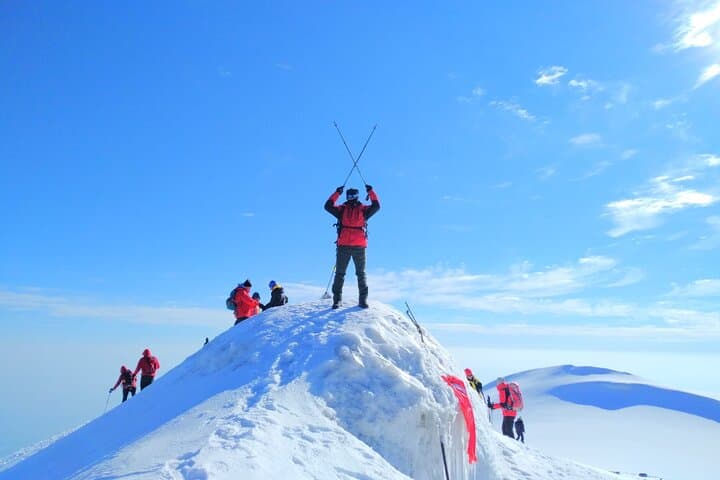
The summit at 5,137 m is hard-won: the final ridge opens a wide, exposed panorama that rewards disciplined pacing. For experienced trekkers willing to train, Ararat is a raw, elemental high-altitude climb with cultural texture on every trailhead and a clear set of logistical needs to manage beforehand.
difficult.
6–7 days.
High aerobic fitness and prior multi-day trekking or altitude experience recommended; train with long uphill hikes and loaded packs.
Basic mountaineering familiarity (crampons, ice-axe use) and prior multi-day trekking experience are strongly recommended; guides will instruct but not replace experience.
Late spring to early autumn (May–September) offers the most stable conditions, though specific windows depend on yearly snowpack and permit timing.
The operator arranges official permissions and local clearances; bring passport details and follow their instructions for required paperwork.
Summit day is long and steep with high altitude exposure—expect 8–12 hours round trip from high camp and slow, steady pacing is essential.
Ararat has been a cultural landmark for millennia, appearing in regional myth and serving as a crossroads between Persian, Ottoman and Armenian histories.
Traffic is limited by permits and guided groups; minimize impact by following leave-no-trace practices and using established camp sites.
ALKANS TOUR operates guided outdoor trips and adventures with an emphasis on safety, stewardship, and memorable experiences.
You stand at the foot of Ararat before sunrise: a massive white cone rising above the Anatolian plain, wind already moving like a restless guide. The route climbs from high steppe into wind-scoured scree and snowfields, each camp an exercise in altitude, patience and steady breathing.
You stand at the foot of Ararat before sunrise: a massive white cone rising above the Anatolian plain, wind already moving like a restless guide. The route climbs from high steppe into wind-scoured scree and snowfields, each camp an exercise in altitude, patience and steady breathing.
Geologically Ararat is a stratovolcano—layers of lava and ash built over millennia—its twin peaks dominating the Armenian Highlands. The mountain is threaded with history: a borderland of empires, pilgrimage and local Kurdish and Turkish culture in foothill villages such as Dogubeyazit. Guides weave practical local knowledge—weather windows, mule logistics and campground sites—into every day.
Expect long, uphill days with technical short sections where crampons and an ice axe are used. Mules carry heavy kit; you carry a daypack, water and layers. Acclimatization is built into the itinerary: staged camps and a rest day reduce acute mountain sickness risk but prior fitness and altitude experience matter.
Practical points: aim for late spring to early autumn for the most stable weather; pack layered technical clothing, strong trekking boots and a sleeping bag rated for sub-zero nights. Hydrate aggressively at every stop and move deliberately on steep scree to conserve energy. Permits and official permission are handled by the operator, but carry passport copies; clearances can affect timing.
The summit at 5,137 m is hard-won: the final ridge opens a wide, exposed panorama that rewards disciplined pacing. For experienced trekkers willing to train, Ararat is a raw, elemental high-altitude climb with cultural texture on every trailhead and a clear set of logistical needs to manage beforehand.