THE ADVENTURE COLLECTIVE® · Independent discovery and booking for outdoor travel

A six-hour guided trek from Namal Pokuna Rajamaha Viharaya up Dimbulagala Mountain that mixes 3rd-century BCE monastery ruins, meditative caves, and summit ponds with open views of Polonnaruwa’s rice plains.
A six-hour guided trek from Namal Pokuna Rajamaha Viharaya up Dimbulagala Mountain that mixes 3rd-century BCE monastery ruins, meditative caves, and summit ponds with open views of Polonnaruwa’s rice plains.
You set off beneath a hard, bright sky and the first stones of Namal Pokuna Rajamaha Viharaya appear through tamarind and teak—an ancient guard stone, a worn moonstone and a squat stupa marking a place where monks once began the day.
Verified experiences and guided adventures in the surrounding area.
Operated by Trekking Polonnaruwa · Polonnaruwa, North Central Province
You set off beneath a hard, bright sky and the first stones of Namal Pokuna Rajamaha Viharaya appear through tamarind and teak—an ancient guard stone, a worn moonstone and a squat stupa marking a place where monks once began the day.
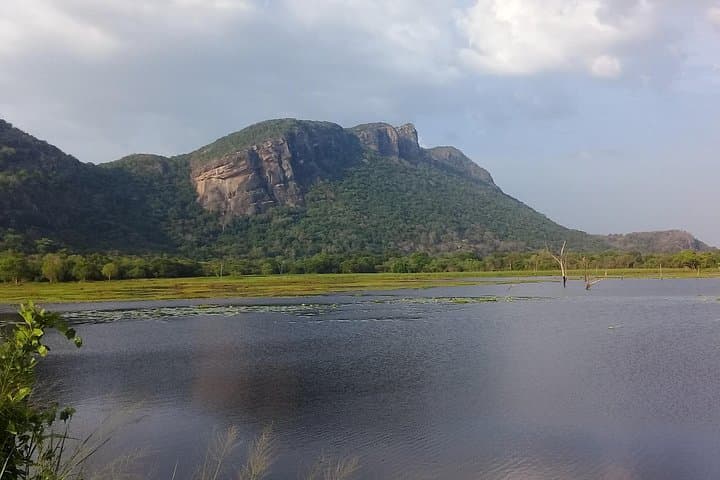
This route climbs from the eastern flank of Polonnaruwa, tracing trails that pass the Namal Pokuna pond, a Blue Water pool and a network of meditative caves carved into Dimbulagala’s sandstone. The mountain is both a geological ridge of weathered sedimentary rock and a cultural landmark: the monastery complex dates back to the 3rd century BCE when Buddhism spread through the region and ascetic communities used natural caves as cells.
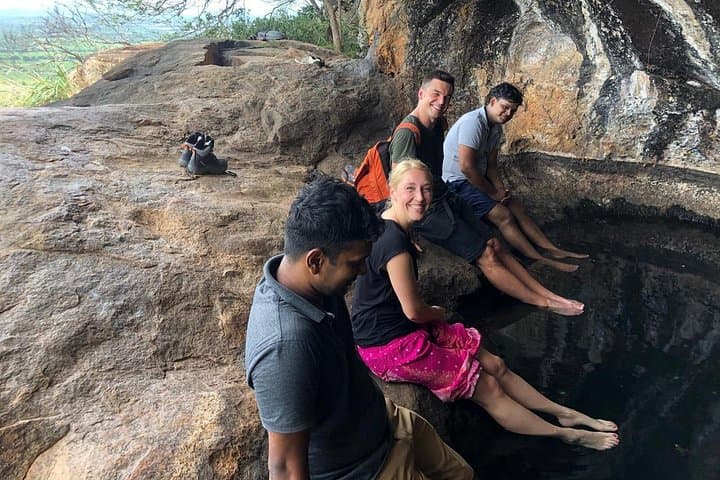
Expect shaded forest sections, intermittent rock slabs and single-track that opens to low scrub and scattered pools near the summit. The caves and ponds have personality—pools that hold morning light, caves that hush the path’s noise—and the final viewpoint offers broad farmland panoramas toward the rice plains and distant reservoirs.
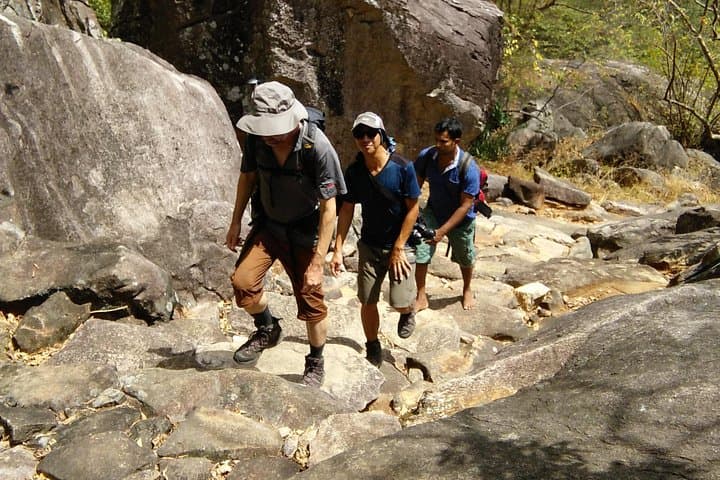
Practical guidance: this is a full-day, moderate trek (about six hours) with some uneven footing and short steep pitches. Bring sun protection, at least 2–3 liters of water, and a guide familiar with the archaeological sites; fragile stonework and sacred spaces require respectful travel. Start early to avoid midday heat and to see pond reflections at their calmest. Leave no trace, and plan for insect protection in shaded sections. The route rewards steady effort with vivid history, quiet caves and honest summit views.
moderate.
6 hours.
Moderately fit—comfortable walking on uneven ground, able to sustain several hours of hiking with short steep sections.
The tour is about six hours total and rated moderate: expect uneven trails, short steep pitches and several hours of walking with breaks.
A guide is recommended for both navigation and context; the route passes archaeological sites that require respectful access—your operator typically handles local permissions.
Namal Pokuna is roughly 15 km east of Polonnaruwa; reach the trailhead by taxi or arranged pickup—public transport options exist but may require extra walking or transfers.
Not recommended for travelers with spinal, serious heart conditions or pregnancy; children may join if fit and supervised, but evaluate fitness and exposure to heat.
Dimbulagala hosted a monastic community from at least the 3rd century BCE; the complex included hundreds of natural cave cells used by meditative monks.
This is an archaeologically sensitive landscape—stay on trails, avoid touching monuments and carry out any trash to protect both cultural heritage and local ecosystems.
Trekking Polonnaruwa operates guided outdoor trips and adventures with an emphasis on safety, stewardship, and memorable experiences.

You set off beneath a hard, bright sky and the first stones of Namal Pokuna Rajamaha Viharaya appear through tamarind and teak—an ancient guard stone, a worn moonstone and a squat stupa marking a place where monks once began the day.
You set off beneath a hard, bright sky and the first stones of Namal Pokuna Rajamaha Viharaya appear through tamarind and teak—an ancient guard stone, a worn moonstone and a squat stupa marking a place where monks once began the day.
This route climbs from the eastern flank of Polonnaruwa, tracing trails that pass the Namal Pokuna pond, a Blue Water pool and a network of meditative caves carved into Dimbulagala’s sandstone. The mountain is both a geological ridge of weathered sedimentary rock and a cultural landmark: the monastery complex dates back to the 3rd century BCE when Buddhism spread through the region and ascetic communities used natural caves as cells.
Expect shaded forest sections, intermittent rock slabs and single-track that opens to low scrub and scattered pools near the summit. The caves and ponds have personality—pools that hold morning light, caves that hush the path’s noise—and the final viewpoint offers broad farmland panoramas toward the rice plains and distant reservoirs.
Practical guidance: this is a full-day, moderate trek (about six hours) with some uneven footing and short steep pitches. Bring sun protection, at least 2–3 liters of water, and a guide familiar with the archaeological sites; fragile stonework and sacred spaces require respectful travel. Start early to avoid midday heat and to see pond reflections at their calmest. Leave no trace, and plan for insect protection in shaded sections. The route rewards steady effort with vivid history, quiet caves and honest summit views.