THE ADVENTURE COLLECTIVE® · Independent discovery and booking for outdoor travel

A two-day guided trek from village homestays to Ban Gioc Waterfall that combines limestone caves, ethnic Tay villages and river-edge trails. Expect mixed terrain, a homestay night, river boat approach to the falls and sweeping views of the Vietnam–China border.
A two-day guided trek from village homestays to Ban Gioc Waterfall that combines limestone caves, ethnic Tay villages and river-edge trails. Expect mixed terrain, a homestay night, river boat approach to the falls and sweeping views of the Vietnam–China border.
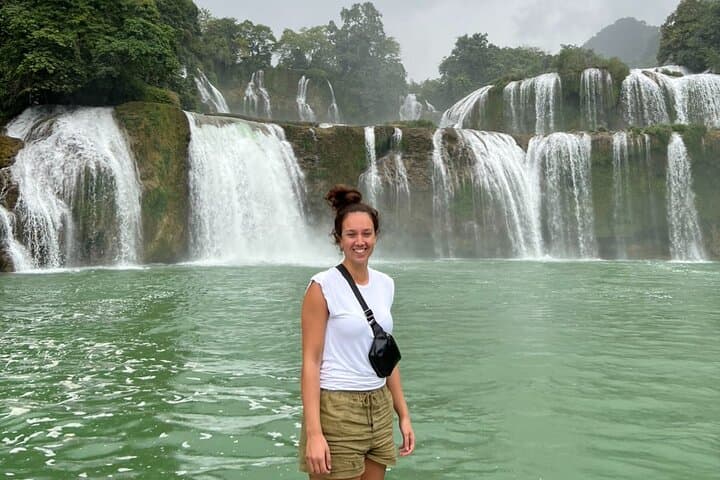
You set out before dawn from a low-stone homestay; mist lifts from terrace rice and the Quây Sơn River dares you forward with its bright, choppy reflections. Pines and bamboo close in on the single-track route, then open to reveal multi-tiered curtains of Ban Gioc Waterfall where water shouts into the gorge and the international border threads the river like a quiet seam.
Verified experiences and guided adventures in the surrounding area.
Operated by Cao Bang Easy Deeping Tours · Cao Bang, Cao Bang Province
You set out before dawn from a low-stone homestay; mist lifts from terrace rice and the Quây Sơn River dares you forward with its bright, choppy reflections. Pines and bamboo close in on the single-track route, then open to reveal multi-tiered curtains of Ban Gioc Waterfall where water shouts into the gorge and the international border threads the river like a quiet seam.
This route threads local history and karst geology: limestone caves such as Ngao were carved across hundred-million-year strata, and the valley’s stone houses belong to Tày and other ethnic communities whose customs shape terraces and seasonal harvests. Trúc Lâm Pagoda perches above rice flats, offering a sweeping lookout across the falls and the Chinese side where the landscape mirrors Vietnam’s.
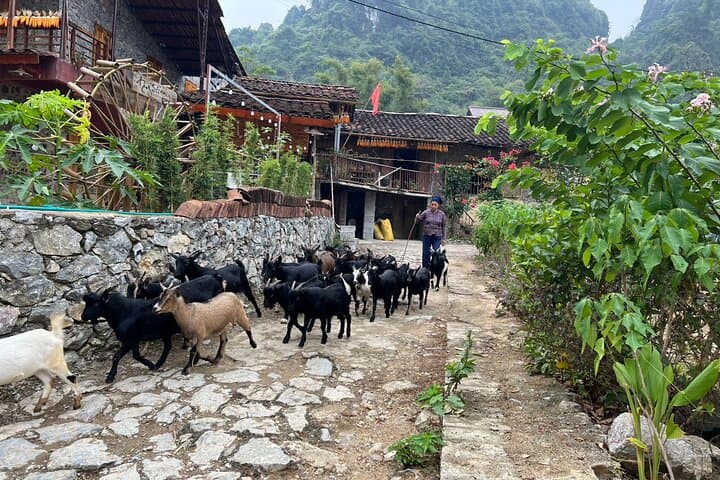
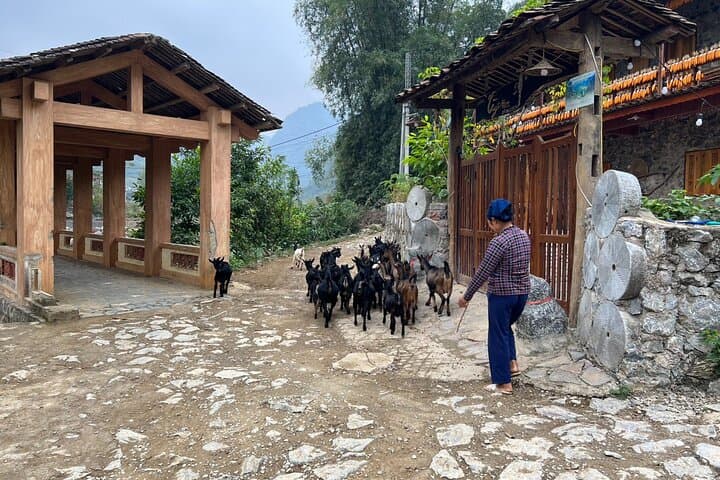
On the trail expect mixed surfaces — packed dirt, wet rock, short steep sections and stream crossings — with roughly 8–12 km of walking each day and modest cumulative elevation gain (200–400 m). A homestay night brings local food—rice paper, duck noodle soup—and a close look at village life: children, livestock, and nightly songs.
Practical edge: start early to avoid midday heat and crowds, carry 2–3 L of water, fast-drying layers and a light rain shell for sudden storms. Guides usually handle permits and boat trips to the waterfall; bring small bills for entrance, boat rides and tips. Footwear with good grip and basic trekking poles make slippery approaches safer. The route is moderate — rewarding for travelers who want culture, geology and big-water drama in two active days.
moderate.
2 days (approx. 8–10 hours hiking total).
Moderate fitness—comfortable walking for several hours a day, able to manage short steep sections and stream crossings.
Guides and operators typically handle any local entrance fees and boat arrangements; you won’t need a separate border permit for the Vietnamese side unless crossing into China.
The route is moderate—expect 6–12 km per day over mixed terrain with short steep sections; a reasonable level of fitness is required.
Yes—this tour includes a homestay in a local village with basic rooms, shared facilities and home-cooked regional meals.
Yes—local boats operate from the river and give close views of the falls; small additional fees apply and guides will organize the trip.
The Quây Sơn River and Ban Gioc sit on a historically porous border; ethnic Tày and Nùng communities shaped local terraces and stone-house architecture for centuries.
Visitor impact is managed locally—stay on trails, avoid single-use plastics and respect homestay customs to reduce pressure on fragile karst ecosystems.
Cao Bang Easy Deeping Tours operates guided outdoor trips and adventures with an emphasis on safety, stewardship, and memorable experiences.
You set out before dawn from a low-stone homestay; mist lifts from terrace rice and the Quây Sơn River dares you forward with its bright, choppy reflections. Pines and bamboo close in on the single-track route, then open to reveal multi-tiered curtains of Ban Gioc Waterfall where water shouts into the gorge and the international border threads the river like a quiet seam.
You set out before dawn from a low-stone homestay; mist lifts from terrace rice and the Quây Sơn River dares you forward with its bright, choppy reflections. Pines and bamboo close in on the single-track route, then open to reveal multi-tiered curtains of Ban Gioc Waterfall where water shouts into the gorge and the international border threads the river like a quiet seam.
This route threads local history and karst geology: limestone caves such as Ngao were carved across hundred-million-year strata, and the valley’s stone houses belong to Tày and other ethnic communities whose customs shape terraces and seasonal harvests. Trúc Lâm Pagoda perches above rice flats, offering a sweeping lookout across the falls and the Chinese side where the landscape mirrors Vietnam’s.
On the trail expect mixed surfaces — packed dirt, wet rock, short steep sections and stream crossings — with roughly 8–12 km of walking each day and modest cumulative elevation gain (200–400 m). A homestay night brings local food—rice paper, duck noodle soup—and a close look at village life: children, livestock, and nightly songs.
Practical edge: start early to avoid midday heat and crowds, carry 2–3 L of water, fast-drying layers and a light rain shell for sudden storms. Guides usually handle permits and boat trips to the waterfall; bring small bills for entrance, boat rides and tips. Footwear with good grip and basic trekking poles make slippery approaches safer. The route is moderate — rewarding for travelers who want culture, geology and big-water drama in two active days.