THE ADVENTURE COLLECTIVE® · Independent discovery and booking for outdoor travel

Walk estate tracks among glossy tea bushes, join local pickers for a plucking demo, and enjoy a picnic with panoramic highland views. This four- to six-hour trek from Ella, Haputale or Bandarawela blends culture, geology and practical hiking.
Walk estate tracks among glossy tea bushes, join local pickers for a plucking demo, and enjoy a picnic with panoramic highland views. This four- to six-hour trek from Ella, Haputale or Bandarawela blends culture, geology and practical hiking.
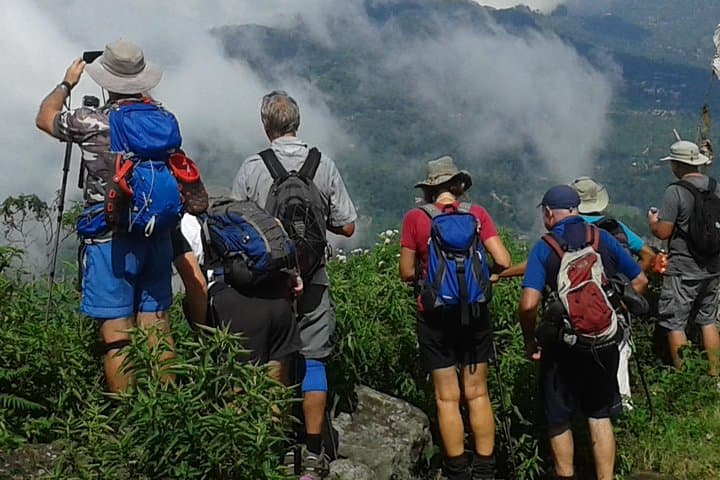
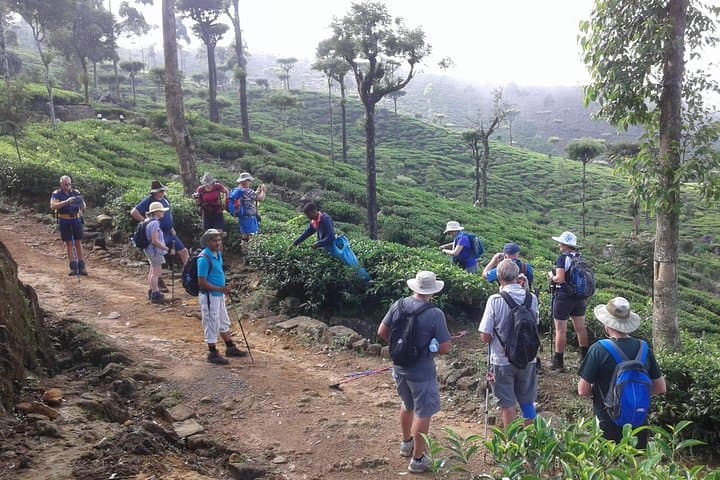
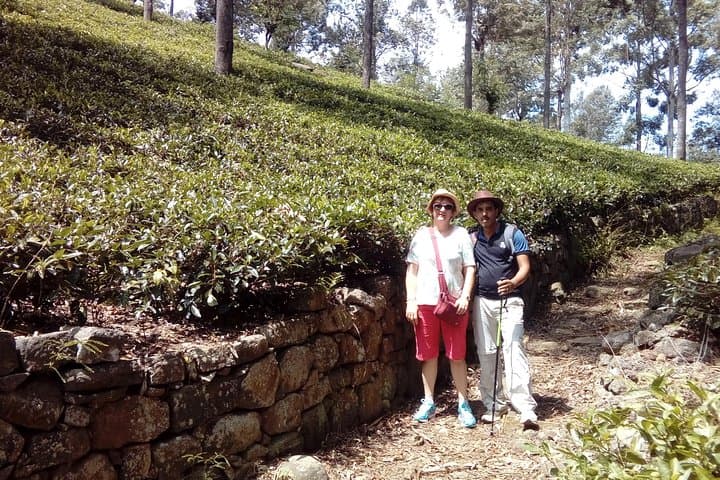
A cool mist lifts off the rolling terraces as walkers pick a path between low, glossy tea bushes; the hills of Uva open in green bands, and the wind seems to push the scent of fresh leaves toward you.
Verified experiences and guided adventures in the surrounding area.
Operated by Sri Lanka Trekking Club · Haputale, Uva Province
A cool mist lifts off the rolling terraces as walkers pick a path between low, glossy tea bushes; the hills of Uva open in green bands, and the wind seems to push the scent of fresh leaves toward you.
This trek threads estate tracks that grew from colonial-era plantations established after coffee blight in the 19th century. The geology—steep, weathered slopes of the central highlands—creates the thin soils and drainage that tea plants favor, and the panorama often reaches down to valleys crisscrossed by narrow streams.
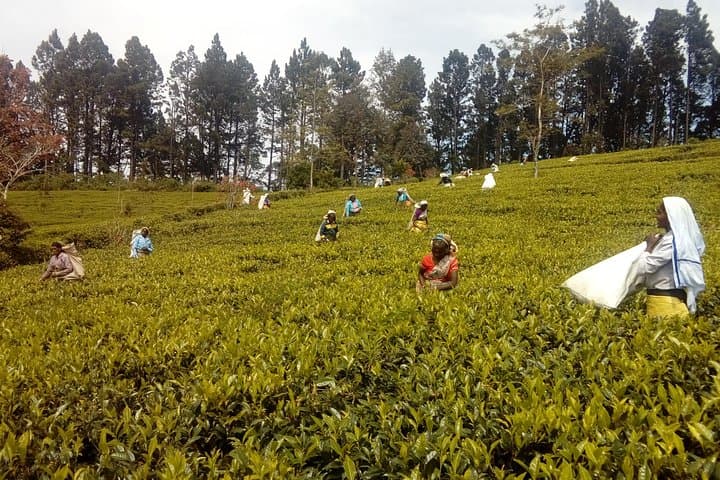
Locally, tea work is daily ritual: women with nets at their hips pluck two leaves and a bud from dawn until dusk, and small estate bungalows and village tea rooms keep the culture close to the trail.
Expect four to six hours on uneven paths, occasional muddy steps and wide viewpoints for a picnic; you’ll join pickers for a short plucking demonstration and stop at a local home for a cup of tea and simple hospitality.
Practical guidance: start early to avoid midday showers and heavier foot traffic, wear grippy shoes and a lightweight rain shell, and pack reusable water and a small lunch if not provided. Stay on marked paths to protect fragile soil and young shoots; ask before photographing workers.
This walk balances steady exertion with quiet observation—an accessible, tactile way to understand Sri Lankan tea beyond the teacup.
moderate.
4–6 hours.
Moderate fitness—comfortable walking over uneven terrain and short climbs is required
Expect four to six hours of walking on estate tracks, including stops for demonstrations and a picnic.
Yes—most tours include a short plucking demonstration and a visit to a tea worker’s house for tea; always ask before photographing.
Children and older adults with good mobility can often join, but the terrain includes steep, muddy sections and is not recommended for those with serious spinal or cardiovascular issues.
Many tours include bottled water and a picnic lunch, but bring a refillable bottle and snacks if you have dietary needs.
Hill-country tea was established by British planters in the late 1800s after coffee crop collapse; estates shaped the region’s economy and settlement patterns.
Soil erosion and waste are key issues; stick to paths, avoid single-use plastics, and support estates that employ sustainable plucking and waste practices.
Sri Lanka Trekking Club operates guided outdoor trips and adventures with an emphasis on safety, stewardship, and memorable experiences.
A cool mist lifts off the rolling terraces as walkers pick a path between low, glossy tea bushes; the hills of Uva open in green bands, and the wind seems to push the scent of fresh leaves toward you.
A cool mist lifts off the rolling terraces as walkers pick a path between low, glossy tea bushes; the hills of Uva open in green bands, and the wind seems to push the scent of fresh leaves toward you.
This trek threads estate tracks that grew from colonial-era plantations established after coffee blight in the 19th century. The geology—steep, weathered slopes of the central highlands—creates the thin soils and drainage that tea plants favor, and the panorama often reaches down to valleys crisscrossed by narrow streams.
Locally, tea work is daily ritual: women with nets at their hips pluck two leaves and a bud from dawn until dusk, and small estate bungalows and village tea rooms keep the culture close to the trail.
Expect four to six hours on uneven paths, occasional muddy steps and wide viewpoints for a picnic; you’ll join pickers for a short plucking demonstration and stop at a local home for a cup of tea and simple hospitality.
Practical guidance: start early to avoid midday showers and heavier foot traffic, wear grippy shoes and a lightweight rain shell, and pack reusable water and a small lunch if not provided. Stay on marked paths to protect fragile soil and young shoots; ask before photographing workers.
This walk balances steady exertion with quiet observation—an accessible, tactile way to understand Sri Lankan tea beyond the teacup.