THE ADVENTURE COLLECTIVE® · Independent discovery and booking for outdoor travel

Walk into the heart of Aconcagua Provincial Park on a six-hour trek through Horcones Valley. Expect high-altitude trails, condor sightings, and sweeping vistas of the highest peak in the Americas.
Walk into the heart of Aconcagua Provincial Park on a six-hour trek through Horcones Valley. Expect high-altitude trails, condor sightings, and sweeping vistas of the highest peak in the Americas.
The trail begins at the park gate with the Andes unfolding like a patient force—granite ridges and a river that seems to dare you to follow its course.
Verified experiences and guided adventures in the surrounding area.
Operated by Kahuak · Mendoza, Mendoza Province
The trail begins at the park gate with the Andes unfolding like a patient force—granite ridges and a river that seems to dare you to follow its course.
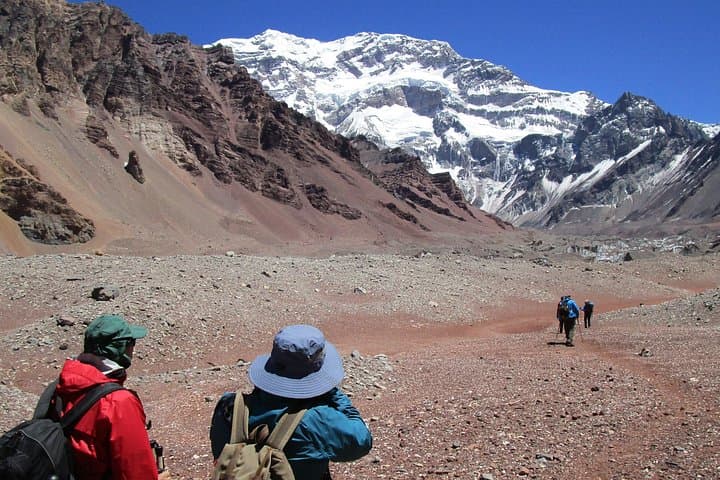
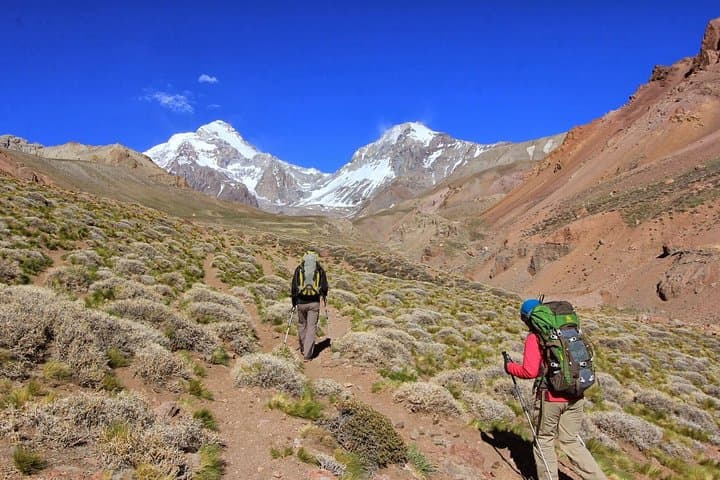
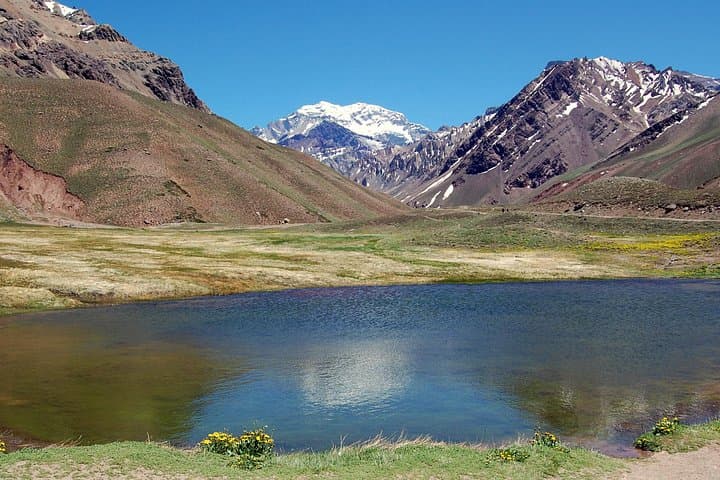
You’ll walk through high desert scrub into Horcones Valley, where the air thins and every step buys a new angle on Aconcagua’s colossal southern face. Rock outcrops and wind-swept meadows alternate with braided streams; the path climbs steadily but deliberately, giving time to adjust and to watch condors wheel on thermal lifts.
Aconcagua Provincial Park protects the highest peak in the Americas and a landscape shaped by glaciation and uplift. Indigenous peoples traveled these valleys long before the first recorded ascents; the park’s modern protections date from the late 20th century, preserving fragile alpine flora and archaeological sites.
Expect dry trails, loose scree near viewpoints, and dramatic light that can make granite gleam like metal. Guides often share stories of early mountaineers and local highland ranching culture, giving context to the trail’s markers and cairns.
Practical guidance: the outing is roughly a six-hour day trek with notable altitude—bring at least 2–3 liters of water, layered clothing, sun protection, and a steady pace to manage oxygen loss. Footwear should have good traction for rocky sections. There are no technical climbs on this route, but weather can switch quickly; a windproof shell and contingency plans are essential.
Aconcagua’s landscape rewards patience: pause where the valley narrows and listen—the river pushes forward, and the mountains answer.
challenging.
6 hours.
Moderate to strong cardiovascular fitness recommended—comfortable with sustained uphill walking at altitude
Day visitors typically pass through park checkpoints; check with your operator for current entry fees and registration requirements before you travel.
The trail reaches significant elevation; expect reduced stamina and possible mild symptoms of altitude sickness—acclimatize beforehand and descend if symptoms worsen.
Most operators include bottled water and a box lunch for the day; bring extra fluids and snacks if you need more than standard provisions.
The route is non-technical but physically demanding due to length and altitude; beginners in good fitness can join with appropriate pacing and guidance.
Aconcagua has long been part of indigenous trade and travel routes; the park was later established to protect its glacial valleys and archaeological sites.
Stay on marked trails, pack out all waste, and follow guide and park regulations to protect fragile high-altitude vegetation and reduce erosion.
Kahuak operates guided outdoor trips and adventures with an emphasis on safety, stewardship, and memorable experiences.
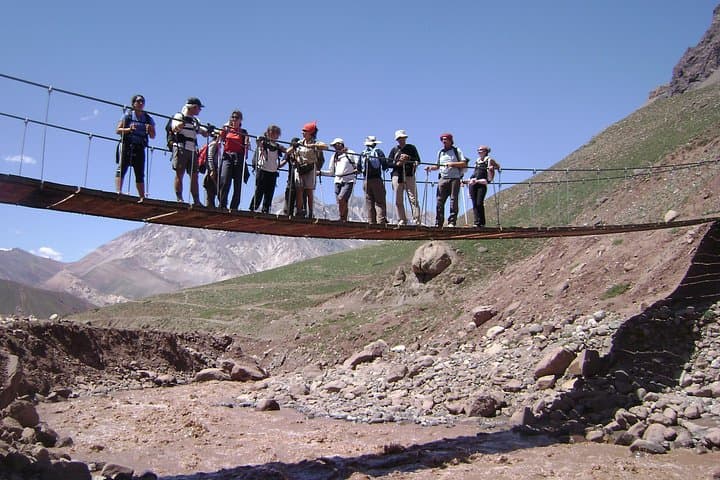
The trail begins at the park gate with the Andes unfolding like a patient force—granite ridges and a river that seems to dare you to follow its course.
The trail begins at the park gate with the Andes unfolding like a patient force—granite ridges and a river that seems to dare you to follow its course.
You’ll walk through high desert scrub into Horcones Valley, where the air thins and every step buys a new angle on Aconcagua’s colossal southern face. Rock outcrops and wind-swept meadows alternate with braided streams; the path climbs steadily but deliberately, giving time to adjust and to watch condors wheel on thermal lifts.
Aconcagua Provincial Park protects the highest peak in the Americas and a landscape shaped by glaciation and uplift. Indigenous peoples traveled these valleys long before the first recorded ascents; the park’s modern protections date from the late 20th century, preserving fragile alpine flora and archaeological sites.
Expect dry trails, loose scree near viewpoints, and dramatic light that can make granite gleam like metal. Guides often share stories of early mountaineers and local highland ranching culture, giving context to the trail’s markers and cairns.
Practical guidance: the outing is roughly a six-hour day trek with notable altitude—bring at least 2–3 liters of water, layered clothing, sun protection, and a steady pace to manage oxygen loss. Footwear should have good traction for rocky sections. There are no technical climbs on this route, but weather can switch quickly; a windproof shell and contingency plans are essential.
Aconcagua’s landscape rewards patience: pause where the valley narrows and listen—the river pushes forward, and the mountains answer.