THE ADVENTURE COLLECTIVE® · Independent discovery and booking for outdoor travel

An early-morning ascent from Cusco to Vinicunca (Rainbow Mountain) compresses Andean geology, culture and high-altitude trekking into a single long day. Read on for what the hike really feels like, the terrain and how to prepare for 5,000‑metre air.
An early-morning ascent from Cusco to Vinicunca (Rainbow Mountain) compresses Andean geology, culture and high-altitude trekking into a single long day. Read on for what the hike really feels like, the terrain and how to prepare for 5,000‑metre air.
Before sunrise a minivan slides out of Cusco and the road loosens the city’s heat into thin highland air. By the time the buffet breakfast in Cusipata clears, the world has reduced to wind, puna grass, and a ridgeline that dares you to climb. The path from Phulawasipata threads across packed earth and loose scree, climbing to the banded summit of Vinicunca at just over 5,000 meters.
Verified experiences and guided adventures in the surrounding area.
Operated by Machu Picchu Terra · Cusco, Cusco Region
Before sunrise a minivan slides out of Cusco and the road loosens the city’s heat into thin highland air. By the time the buffet breakfast in Cusipata clears, the world has reduced to wind, puna grass, and a ridgeline that dares you to climb. The path from Phulawasipata threads across packed earth and loose scree, climbing to the banded summit of Vinicunca at just over 5,000 meters.
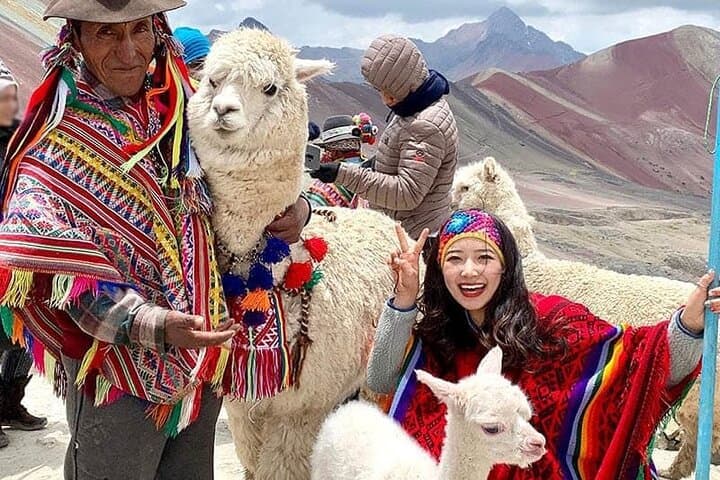
Geologically the stripes are honest: iron oxides, copper minerals and manganese layers exposed by glacial retreat give the slope its stripes of red, green and ochre. Culturally the mountain sits inside Andean belief—guides point out offerings at stone cairns and explain local stories tying the land to seasonal herding and ritual. The site’s recent rise in tourism has shifted village economies; many locals now offer horse rides, handicrafts and guiding services.
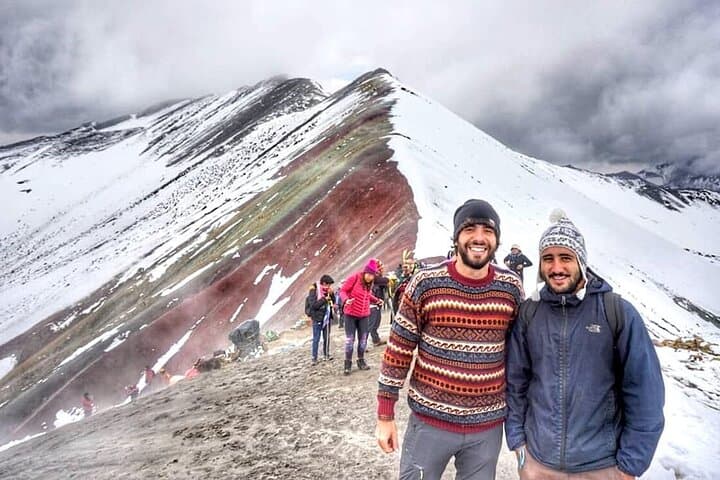
Expect a 5–7 km round trip with roughly 400–600 m of elevation gain; the uphill typically takes 1–2 hours depending on acclimatization. Terrain ranges from packed dirt to loose gravel near the summit; the thin air makes pace the main variable. Practical prep matters: spend 48–72 hours in Cusco to acclimatize, carry 2–3 liters of water, layer for wind and sun, and accept the horse option if needed. Guides usually include breakfast, lunch, transport and admission, and many are trained in first aid. Aim for an early start and a steady, conservative rhythm—Vinicunca rewards patience with wide, colored ridges and views back toward the snow-capped Andes.
challenging.
12–14 hours.
Good aerobic fitness and prior exposure to high altitude help; be prepared for steep sections and thin air.
The round trip is typically 5–7 km with roughly 400–600 m of elevation gain; sections are steep with loose gravel near the top.
Yes—many operators offer horse rentals for the ascent or descent, though availability and safety vary by condition and rider experience.
Yes—Vinicunca exceeds 5,000 m; acclimatize in Cusco, hydrate, avoid alcohol before the trek and tell your guide if you feel severe headache, nausea or dizziness.
Most full-day tours include hotel pickup, breakfast, guide, admission, walking implements or canes, buffet lunch and transport back to Cusco.
Vinicunca’s exposed colored strata became a tourist draw after glacial retreat revealed mineral layers; the mountains remain part of local Andean spiritual landscapes and seasonal herding routes.
High visitor numbers increase erosion and waste; stick to marked paths, avoid leaving trash and support local guides to direct tourism income into the community.
Machu Picchu Terra operates guided outdoor trips and adventures with an emphasis on safety, stewardship, and memorable experiences.
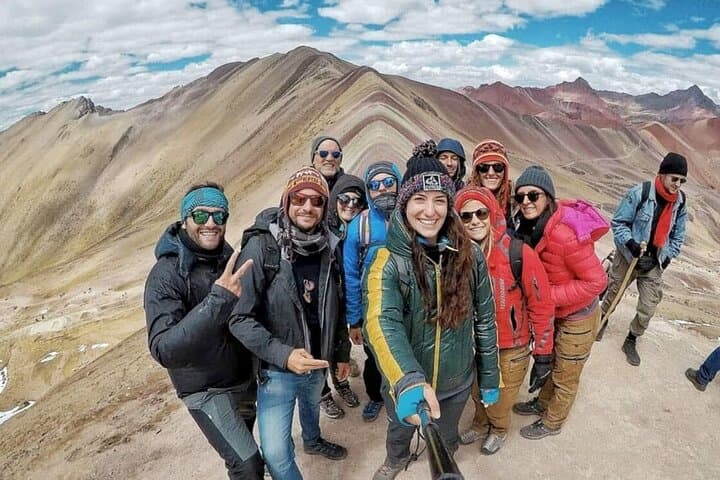
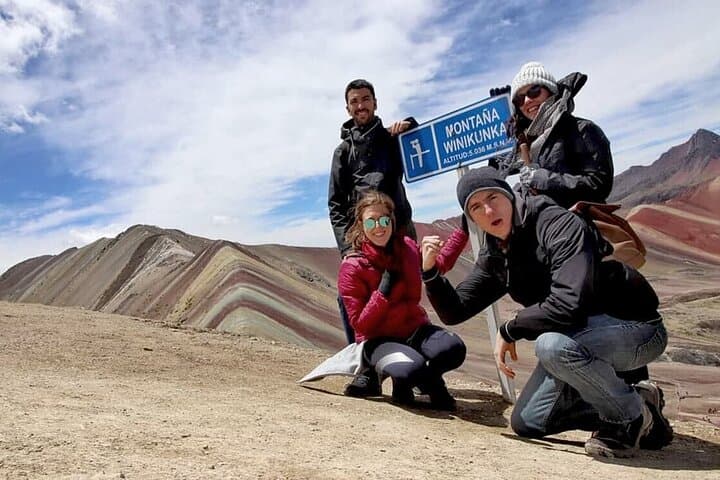
Before sunrise a minivan slides out of Cusco and the road loosens the city’s heat into thin highland air. By the time the buffet breakfast in Cusipata clears, the world has reduced to wind, puna grass, and a ridgeline that dares you to climb. The path from Phulawasipata threads across packed earth and loose scree, climbing to the banded summit of Vinicunca at just over 5,000 meters.
Before sunrise a minivan slides out of Cusco and the road loosens the city’s heat into thin highland air. By the time the buffet breakfast in Cusipata clears, the world has reduced to wind, puna grass, and a ridgeline that dares you to climb. The path from Phulawasipata threads across packed earth and loose scree, climbing to the banded summit of Vinicunca at just over 5,000 meters.
Geologically the stripes are honest: iron oxides, copper minerals and manganese layers exposed by glacial retreat give the slope its stripes of red, green and ochre. Culturally the mountain sits inside Andean belief—guides point out offerings at stone cairns and explain local stories tying the land to seasonal herding and ritual. The site’s recent rise in tourism has shifted village economies; many locals now offer horse rides, handicrafts and guiding services.
Expect a 5–7 km round trip with roughly 400–600 m of elevation gain; the uphill typically takes 1–2 hours depending on acclimatization. Terrain ranges from packed dirt to loose gravel near the summit; the thin air makes pace the main variable. Practical prep matters: spend 48–72 hours in Cusco to acclimatize, carry 2–3 liters of water, layer for wind and sun, and accept the horse option if needed. Guides usually include breakfast, lunch, transport and admission, and many are trained in first aid. Aim for an early start and a steady, conservative rhythm—Vinicunca rewards patience with wide, colored ridges and views back toward the snow-capped Andes.