THE ADVENTURE COLLECTIVE® · Independent discovery and booking for outdoor travel

A high-altitude, full-day trek from Cusco to Vinicunca (Rainbow Mountain) that delivers dramatic mineral-striped ridges, highland plains, and close-up views of Ausangate. This practical guide covers terrain, timing, and how to prepare for the altitude and weather.
A high-altitude, full-day trek from Cusco to Vinicunca (Rainbow Mountain) that delivers dramatic mineral-striped ridges, highland plains, and close-up views of Ausangate. This practical guide covers terrain, timing, and how to prepare for the altitude and weather.
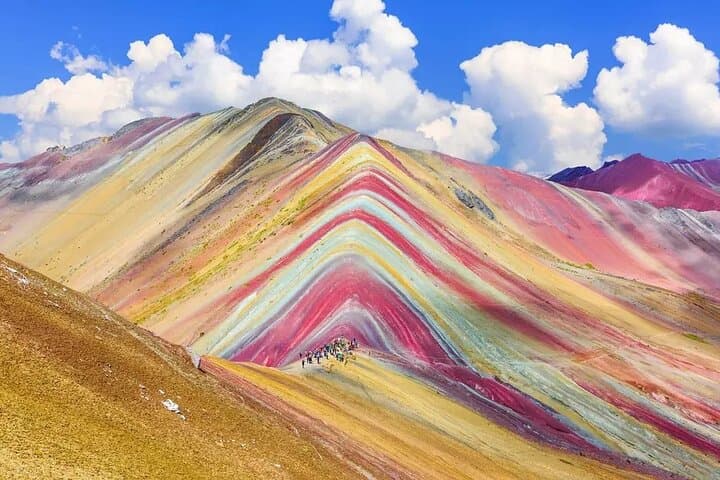
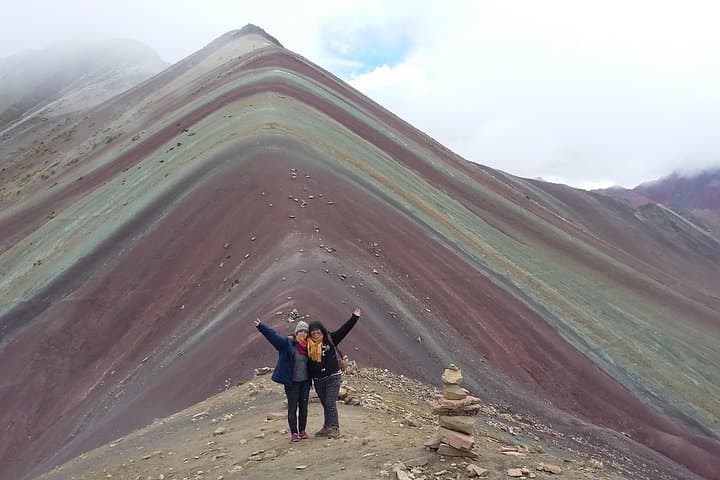
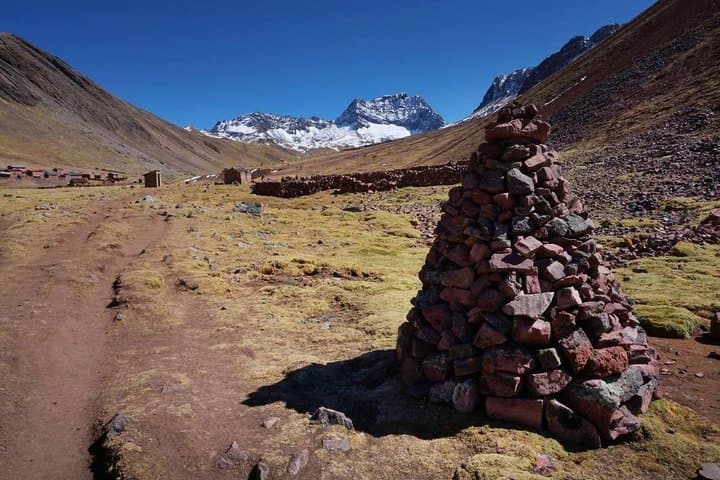
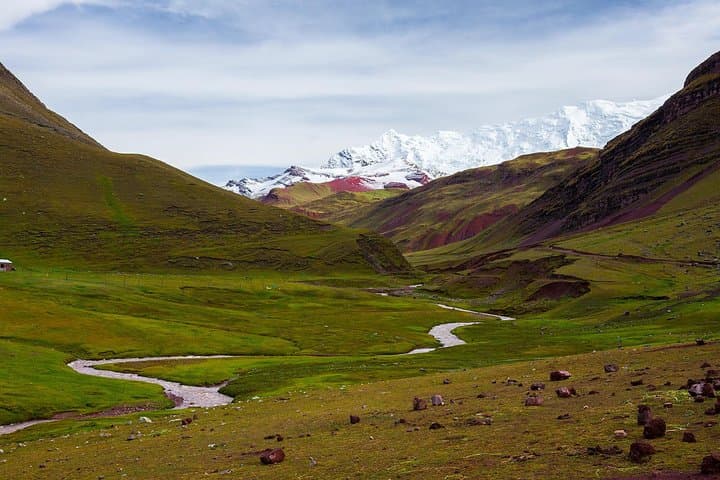
The van leaves Cusco before dawn and the Andes slip into silhouette as the sky lightens. By the time you reach the Hanchipacha community, the air is thin and cold, and llamas graze beside red and ochre slopes. From Quesiuno (4,326 m) the trail climbs steadily, each switchback revealing bands of iron- and copper-stained strata that give Vinicunca its colored stripes.
Verified experiences and guided adventures in the surrounding area.
Operated by PVTravels · Cusco, Cusco Region
The van leaves Cusco before dawn and the Andes slip into silhouette as the sky lightens. By the time you reach the Hanchipacha community, the air is thin and cold, and llamas graze beside red and ochre slopes. From Quesiuno (4,326 m) the trail climbs steadily, each switchback revealing bands of iron- and copper-stained strata that give Vinicunca its colored stripes.
Geology here is blunt: millennia of uplift, glaciation and mineral oxidation exposed layered sediments—iron for red, copper for green, and manganese for purple. Culturally, this is Quechua country; herders and highland communities have moved livestock across these passes for generations, and Ausangate—visible on the skyline—remains a ceremonial mountain in local belief.
Expect roughly three hours up, a 30–60 minute stay at the 5,020 m viewpoint, then a two-hour descent back to the trailhead. Weather can turn fast: clear, bone-dry mornings often give way to afternoon showers during the wet season, and cold winds are constant at high elevation. The route is well-trodden but rocky and steep in places; altitude, not technical difficulty, is the main challenge.
Practical tips: acclimate in Cusco for 48–72 hours if possible, carry layers for wind and sun, and pace yourself—slow, steady breathing beats sprinting. Hydrate, bring snacks with salt, and consider trekking poles to ease knees on the descent. Plan the hike early to beat clouds and crowds; the light in the morning emphasizes the mountain’s bands and makes photographs crisp.
challenging.
10–11 hours.
Good aerobic fitness and previous hiking experience at altitude; be prepared for sustained uphill walking and thin air.
The trail is steep and rocky but non-technical; the main difficulty is the high altitude—expect 3 hours up and 2 hours down for most fit walkers.
People with good cardiovascular health and prior acclimatization can usually complete it; not recommended for pregnant travelers or those with serious heart or spinal problems.
The dry season (May–September) offers the most stable weather and clearest views; the wet season brings afternoon storms that can obscure the colors.
Basic services (breakfast, lunch, rest stops) are arranged through tour operators, but carry personal essentials—water, snacks, and toilet paper—for the trek itself.
Vinicunca became widely known in recent years but the area has long been part of Quechua pastoral routes connected to the sacred Ausangate mountain.
High foot traffic accelerates erosion on fragile puna soils—stick to marked trails, carry out waste, and support local guides who practice low-impact tourism.
PVTravels operates guided outdoor trips and adventures with an emphasis on safety, stewardship, and memorable experiences.
The van leaves Cusco before dawn and the Andes slip into silhouette as the sky lightens. By the time you reach the Hanchipacha community, the air is thin and cold, and llamas graze beside red and ochre slopes. From Quesiuno (4,326 m) the trail climbs steadily, each switchback revealing bands of iron- and copper-stained strata that give Vinicunca its colored stripes.
The van leaves Cusco before dawn and the Andes slip into silhouette as the sky lightens. By the time you reach the Hanchipacha community, the air is thin and cold, and llamas graze beside red and ochre slopes. From Quesiuno (4,326 m) the trail climbs steadily, each switchback revealing bands of iron- and copper-stained strata that give Vinicunca its colored stripes.
Geology here is blunt: millennia of uplift, glaciation and mineral oxidation exposed layered sediments—iron for red, copper for green, and manganese for purple. Culturally, this is Quechua country; herders and highland communities have moved livestock across these passes for generations, and Ausangate—visible on the skyline—remains a ceremonial mountain in local belief.
Expect roughly three hours up, a 30–60 minute stay at the 5,020 m viewpoint, then a two-hour descent back to the trailhead. Weather can turn fast: clear, bone-dry mornings often give way to afternoon showers during the wet season, and cold winds are constant at high elevation. The route is well-trodden but rocky and steep in places; altitude, not technical difficulty, is the main challenge.
Practical tips: acclimate in Cusco for 48–72 hours if possible, carry layers for wind and sun, and pace yourself—slow, steady breathing beats sprinting. Hydrate, bring snacks with salt, and consider trekking poles to ease knees on the descent. Plan the hike early to beat clouds and crowds; the light in the morning emphasizes the mountain’s bands and makes photographs crisp.