THE ADVENTURE COLLECTIVE® · Independent discovery and booking for outdoor travel

A day hike from the Sacred Valley that pairs a compact Inca site with a dramatic 100‑meter waterfall. Expect high‑altitude walking on uneven trails, forested descents, and a refreshing plunge pool at Perolniyoc.
A day hike from the Sacred Valley that pairs a compact Inca site with a dramatic 100‑meter waterfall. Expect high‑altitude walking on uneven trails, forested descents, and a refreshing plunge pool at Perolniyoc.
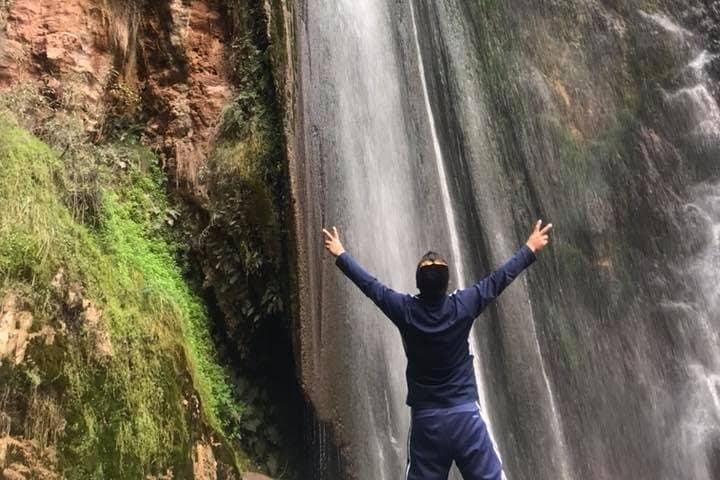
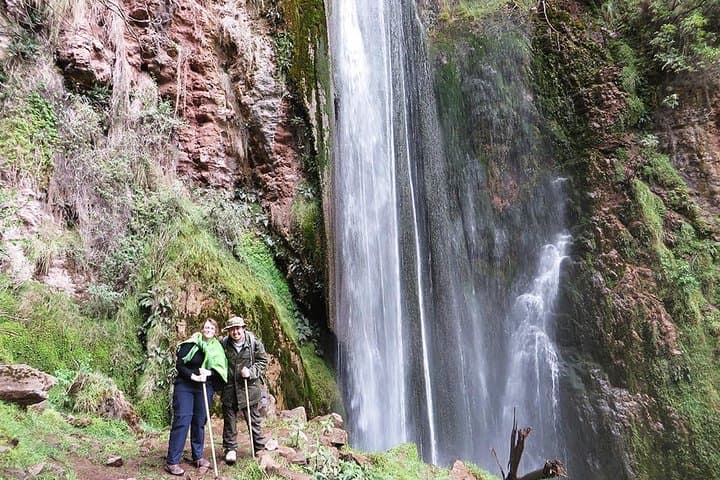
Early light on the high-Andean terraces slides down stone walls as you step out of the minibus in Socma. Cold air tastes like metal; the valley exhales slowly and the trail pushes you toward forest and water. The path climbs toward Racaypata (3,550 m), an exposed Inca-era center of stone and mud that watches the valley; then it drops into a corridor of Polylepis and alder where Perolniyoc’s cascade unspools over a 100-meter cliff.
Verified experiences and guided adventures in the surrounding area.
Operated by Machupicchu Nice · Ollantaytambo, Cusco Region
Early light on the high-Andean terraces slides down stone walls as you step out of the minibus in Socma. Cold air tastes like metal; the valley exhales slowly and the trail pushes you toward forest and water. The path climbs toward Racaypata (3,550 m), an exposed Inca-era center of stone and mud that watches the valley; then it drops into a corridor of Polylepis and alder where Perolniyoc’s cascade unspools over a 100-meter cliff.
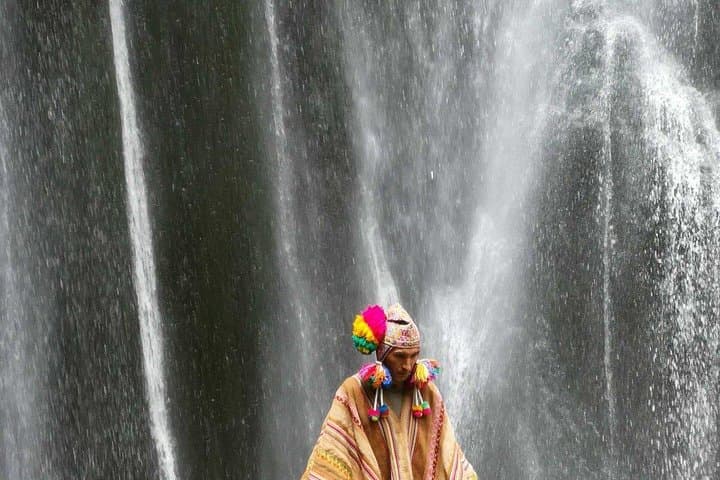
This route mixes living Andean culture with volcanic-andesitic geology: terraces and archaeological platforms show human shaping of steep slopes, while the waterfall has carved a narrow plunge pool through softer bedrock. Local families still farm native tubers and maintain irrigation canales; guides often explain how these small sites fit into the broader Sacred Valley network of roads and storage houses.
Plan on a full day: the operator schedules about eight hours door-to-door, with on-trail walking likely 3–6 hours depending on pace. Expect uneven stone steps, dirt trails, and short steep pitches—altitude is the main factor, not technical exposure. Wear grippy hiking shoes, bring 2–3 liters of water, rain protection, and sunblock. Leave time for a guided visit at Racaypata, a leisurely descent to the waterfall for photos or a dip if conditions allow, and a traditional lunch in Urubamba afterward.
The trail rewards steady effort: birds call from the canopy, and the waterfall will insist you pause. Acclimatize in Cusco or Ollantaytambo, carry layers, and respect private fields and local customs—this is a cultural landscape as much as a natural one.
moderate.
6–8 hours.
Moderate fitness; able to sustain several hours of uphill and downhill walking at high altitude. Acclimatization recommended.
The trail is not technical but altitude adds strain; expect moderate effort—rest often and drink plenty of water.
There is a plunge pool at Perolniyoc and people sometimes take a dip, but water is cold and conditions vary—ask your guide before entering.
Racaypata sits on a ridge with stepped terraces and stone structures; there are short steep sections but no technical climbing or exposure.
This tour typically includes round‑trip transport, a guide, snacks, and a traditional lunch in Urubamba as described by the operator.
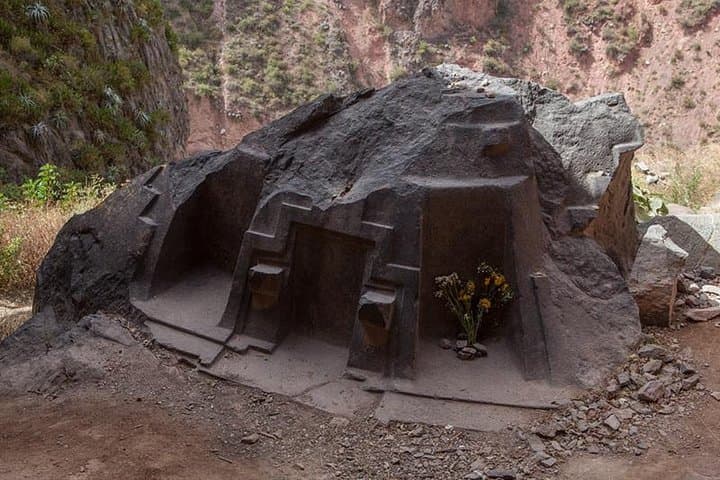
Racaypata is a minor archaeological center tied to the Sacred Valley’s network of food storage and local administration during Inca times; many small sites supported larger centers like Ollantaytambo.
Respect private fields and marked paths; stick to trails to limit erosion and avoid disturbing irrigation channels that local communities rely on.
Machupicchu Nice operates guided outdoor trips and adventures with an emphasis on safety, stewardship, and memorable experiences.
Early light on the high-Andean terraces slides down stone walls as you step out of the minibus in Socma. Cold air tastes like metal; the valley exhales slowly and the trail pushes you toward forest and water. The path climbs toward Racaypata (3,550 m), an exposed Inca-era center of stone and mud that watches the valley; then it drops into a corridor of Polylepis and alder where Perolniyoc’s cascade unspools over a 100-meter cliff.
Early light on the high-Andean terraces slides down stone walls as you step out of the minibus in Socma. Cold air tastes like metal; the valley exhales slowly and the trail pushes you toward forest and water. The path climbs toward Racaypata (3,550 m), an exposed Inca-era center of stone and mud that watches the valley; then it drops into a corridor of Polylepis and alder where Perolniyoc’s cascade unspools over a 100-meter cliff.
This route mixes living Andean culture with volcanic-andesitic geology: terraces and archaeological platforms show human shaping of steep slopes, while the waterfall has carved a narrow plunge pool through softer bedrock. Local families still farm native tubers and maintain irrigation canales; guides often explain how these small sites fit into the broader Sacred Valley network of roads and storage houses.
Plan on a full day: the operator schedules about eight hours door-to-door, with on-trail walking likely 3–6 hours depending on pace. Expect uneven stone steps, dirt trails, and short steep pitches—altitude is the main factor, not technical exposure. Wear grippy hiking shoes, bring 2–3 liters of water, rain protection, and sunblock. Leave time for a guided visit at Racaypata, a leisurely descent to the waterfall for photos or a dip if conditions allow, and a traditional lunch in Urubamba afterward.
The trail rewards steady effort: birds call from the canopy, and the waterfall will insist you pause. Acclimatize in Cusco or Ollantaytambo, carry layers, and respect private fields and local customs—this is a cultural landscape as much as a natural one.