THE ADVENTURE COLLECTIVE® · Independent discovery and booking for outdoor travel

A steep, high-altitude day hike from Cusco delivers a startling turquoise lake, glacial geology, and a palpable sense of Andean culture. This practical guide explains what to expect, how to prepare, and why acclimatization matters.
A steep, high-altitude day hike from Cusco delivers a startling turquoise lake, glacial geology, and a palpable sense of Andean culture. This practical guide explains what to expect, how to prepare, and why acclimatization matters.
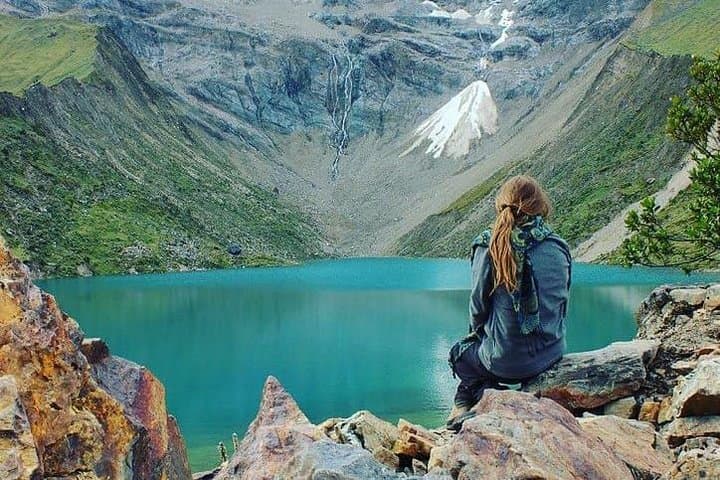
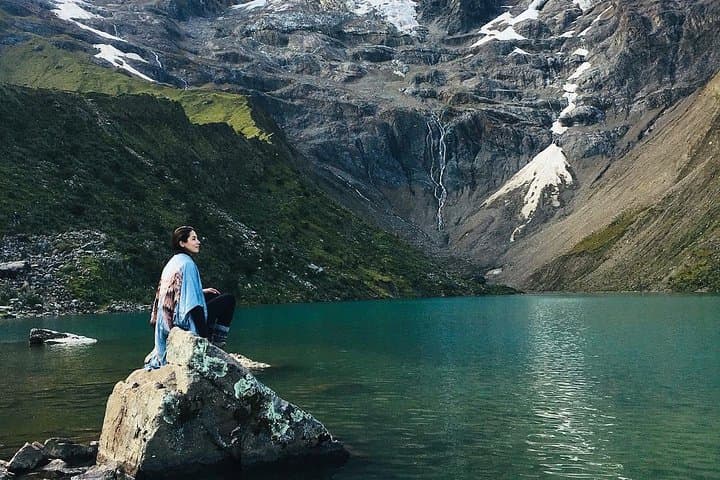
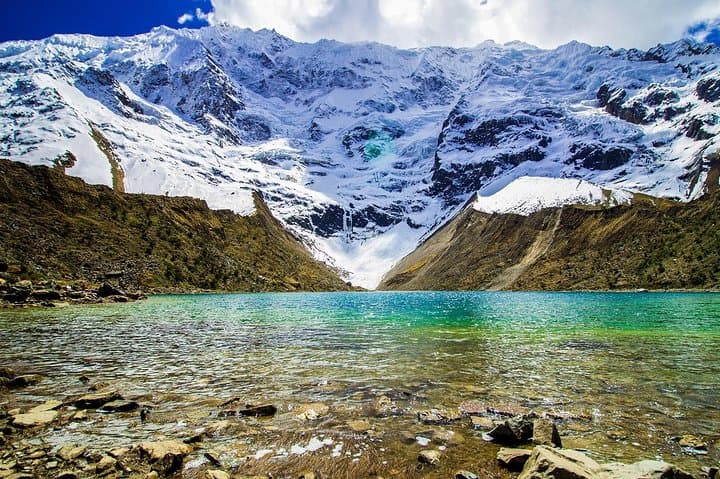
You crest a dusty saddle and the Andes opens like a page: a bowl of turquoise water clinging to the shoulder of a grey moraine, wind scouring the surface and whispering uphill. Laguna Humantay sits high above the Apurímac valley, its color sharpened by glacial silt and an open sky that pushes light into the water.
Verified experiences and guided adventures in the surrounding area.
Operated by Andes Peru Travel · Cusco, Cusco
You crest a dusty saddle and the Andes opens like a page: a bowl of turquoise water clinging to the shoulder of a grey moraine, wind scouring the surface and whispering uphill. Laguna Humantay sits high above the Apurímac valley, its color sharpened by glacial silt and an open sky that pushes light into the water.
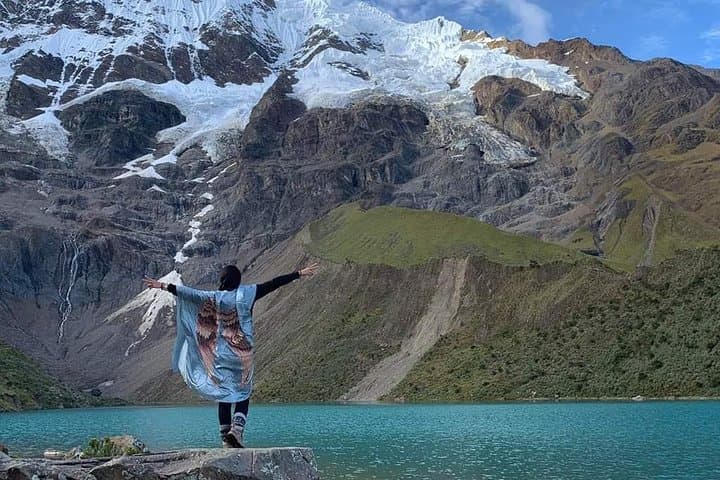
The lake is a post-glacial basin beneath the towering mass of Humantay and in the orbit of Ausangate, an Apu (sacred mountain) in Andean cosmology. The area’s geology—sharp glacial striations, moraines and glacial melt channels—tells of recent ice sculpting; local Quechua communities still perform offerings to the mountains and preserve trails and pasturelands for camelids.
On a typical guided day from Cusco you’ll travel by minivan, then hike roughly 7 kilometers round-trip with an ascent of about 400–550 meters to reach the rim overlooking the lake. Expect steep switchbacks, rocky tread, and thin air: the lake sits around 4,200 m (13,780 ft). Wildlife is sparse but present—watch for grazing alpacas and the occasional Andean condor riding thermal lifts. Many tours include breakfast, lunch and entrance fees, and finish back in Cusco with a traditional chicha tasting.
Practical notes: acclimatize in Cusco for 24–48 hours if possible, carry layered clothing against sun and wind, and bring water and snacks despite included meals. Start early to avoid afternoon clouds and reduce altitude stress. Trails are short but steep; a moderate level of fitness and steady pacing will make the day rewarding rather than punishing.
challenging.
10–12 hours.
Should be in good general fitness; able to hike uphill at altitude for 2–3 hours with breaks
The lake sits around 4,200 m (≈13,780 ft). Altitude can cause breathlessness, headache or nausea—acclimatize in Cusco, hydrate, and ascend at a measured pace.
The guided route typically involves about 7 km round-trip with approximately 400–550 m of elevation gain; steep switchbacks near the top make it more strenuous than distance alone suggests.
Most guided tours include entrance fees to the area; if hiking independently, check local fees at the Soraypampa access point and respect trail rules.
Fit children and active older adults who tolerate altitude and steep climbs can manage the route with rest breaks, but those with cardiovascular issues or pregnancy should avoid it.
The lake and surrounding peaks are part of the Andean Apu tradition; mountains here have long been venerated and feature in local Quechua rituals.
High Andean environments are fragile—stay on established trails, pack out waste, and avoid disturbing vegetation and water sources.
Andes Peru Travel operates guided outdoor trips and adventures with an emphasis on safety, stewardship, and memorable experiences.
You crest a dusty saddle and the Andes opens like a page: a bowl of turquoise water clinging to the shoulder of a grey moraine, wind scouring the surface and whispering uphill. Laguna Humantay sits high above the Apurímac valley, its color sharpened by glacial silt and an open sky that pushes light into the water.
You crest a dusty saddle and the Andes opens like a page: a bowl of turquoise water clinging to the shoulder of a grey moraine, wind scouring the surface and whispering uphill. Laguna Humantay sits high above the Apurímac valley, its color sharpened by glacial silt and an open sky that pushes light into the water.
The lake is a post-glacial basin beneath the towering mass of Humantay and in the orbit of Ausangate, an Apu (sacred mountain) in Andean cosmology. The area’s geology—sharp glacial striations, moraines and glacial melt channels—tells of recent ice sculpting; local Quechua communities still perform offerings to the mountains and preserve trails and pasturelands for camelids.
On a typical guided day from Cusco you’ll travel by minivan, then hike roughly 7 kilometers round-trip with an ascent of about 400–550 meters to reach the rim overlooking the lake. Expect steep switchbacks, rocky tread, and thin air: the lake sits around 4,200 m (13,780 ft). Wildlife is sparse but present—watch for grazing alpacas and the occasional Andean condor riding thermal lifts. Many tours include breakfast, lunch and entrance fees, and finish back in Cusco with a traditional chicha tasting.
Practical notes: acclimatize in Cusco for 24–48 hours if possible, carry layered clothing against sun and wind, and bring water and snacks despite included meals. Start early to avoid afternoon clouds and reduce altitude stress. Trails are short but steep; a moderate level of fitness and steady pacing will make the day rewarding rather than punishing.