THE ADVENTURE COLLECTIVE® · Independent discovery and booking for outdoor travel

A brisk half-day trek from McLeodganj leads through pine and rhododendron to Dharamkot, Gallu Devi temple, and the clear waters of the Bhated river in Bahl village. Expect 2–3 hours of varied trail, big valley views, and a satisfying village lunch.
A brisk half-day trek from McLeodganj leads through pine and rhododendron to Dharamkot, Gallu Devi temple, and the clear waters of the Bhated river in Bahl village. Expect 2–3 hours of varied trail, big valley views, and a satisfying village lunch.
A cool mountain breeze greets you as the narrow track peels away from McLeodganj and climbs through a corridor of pine and cedar. Footsteps fall on a soft carpet of needles; sunlight filters in slats through tall trunks while the Kangra Valley opens in slices of green below. The trail gains steadily—gentle at first, then steeper toward Gallu Devi temple—rewarding each step with wider views and the distant murmur of the Bhated river.
Verified experiences and guided adventures in the surrounding area.
Operated by SITA World Tours · McLeodganj, Himachal Pradesh
A cool mountain breeze greets you as the narrow track peels away from McLeodganj and climbs through a corridor of pine and cedar. Footsteps fall on a soft carpet of needles; sunlight filters in slats through tall trunks while the Kangra Valley opens in slices of green below. The trail gains steadily—gentle at first, then steeper toward Gallu Devi temple—rewarding each step with wider views and the distant murmur of the Bhated river.
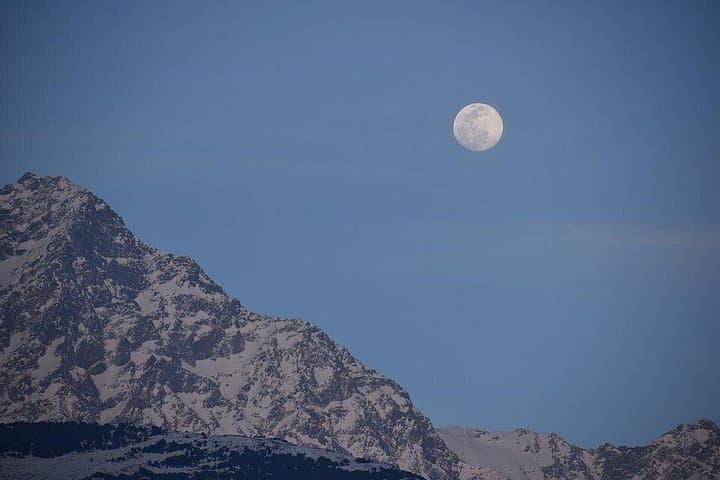
This ridge sits below the Dhauladhar range, a younger fold of the Himalaya shaped by uplift and winter snow. McLeodganj grew into a cultural crossroads after 1959, and villages like Dharamkot keep a blend of local Himachali life and Tibetan influences; small temples such as Gallu Devi remain focal points for village rituals.
Expect 2–3 hours of walking on dirt tracks and stone steps, with short steeper pitches through rhododendron and mixed forest. The final approach to Bahl opens onto the clear Bhated river—an ideal lunch stop before returning the same way. Avoid the monsoon months when trails become slippery and stream crossings rise.
Practical guidance: wear sturdy shoes with grip, carry at least 1–2 liters of water, and layer for rapid temperature changes between sunlit ridges and shaded woods. Local guides know the best footholds and rest spots; this route is suitable for hikers with moderate fitness who are comfortable on uneven terrain. Respect village customs, pack out trash, and treat the forest quietly—wildlife here is shy but present.
moderate.
2–3 hours (trek only); full trip ~7 hours with transport and lunch.
Good for hikers with moderate fitness—comfortable on sustained uphill walking and uneven surfaces
The walking portion is typically 2–3 hours round-trip with steady uphill sections; it's rated moderate and suits travelers used to sustained uphill walking.
Local English-speaking guides are commonly provided and helpful for navigation, local stories, and spotting best viewpoints—this tour includes a guide.
Spring (March–May) and autumn (October–November) offer the clearest views and comfortable temperatures; avoid peak monsoon (July–September).
At roughly 6,900 ft in Dharamkot, most visitors acclimatize quickly; there are no special permits required for this short village trek.
The Dharamshala–McLeodganj area became a center for Tibetan exile communities after 1959; local hill temples like Gallu Devi reflect long-standing Himachali village traditions.
Forests along the Dhauladhar foothills are sensitive to erosion—stick to established trails, avoid single-use plastics, and use local water refill points to reduce waste.
SITA World Tours operates guided outdoor trips and adventures with an emphasis on safety, stewardship, and memorable experiences.
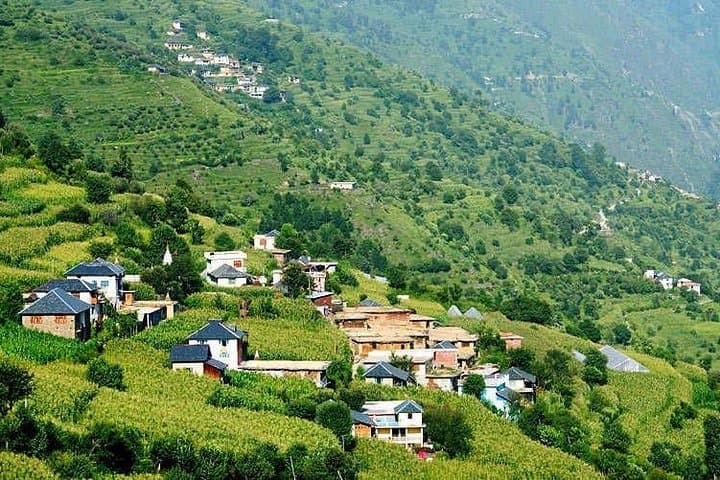

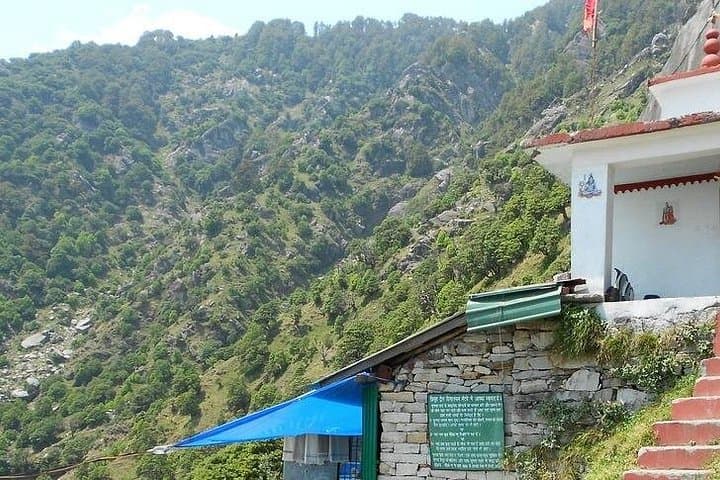
A cool mountain breeze greets you as the narrow track peels away from McLeodganj and climbs through a corridor of pine and cedar. Footsteps fall on a soft carpet of needles; sunlight filters in slats through tall trunks while the Kangra Valley opens in slices of green below. The trail gains steadily—gentle at first, then steeper toward Gallu Devi temple—rewarding each step with wider views and the distant murmur of the Bhated river.
A cool mountain breeze greets you as the narrow track peels away from McLeodganj and climbs through a corridor of pine and cedar. Footsteps fall on a soft carpet of needles; sunlight filters in slats through tall trunks while the Kangra Valley opens in slices of green below. The trail gains steadily—gentle at first, then steeper toward Gallu Devi temple—rewarding each step with wider views and the distant murmur of the Bhated river.
This ridge sits below the Dhauladhar range, a younger fold of the Himalaya shaped by uplift and winter snow. McLeodganj grew into a cultural crossroads after 1959, and villages like Dharamkot keep a blend of local Himachali life and Tibetan influences; small temples such as Gallu Devi remain focal points for village rituals.
Expect 2–3 hours of walking on dirt tracks and stone steps, with short steeper pitches through rhododendron and mixed forest. The final approach to Bahl opens onto the clear Bhated river—an ideal lunch stop before returning the same way. Avoid the monsoon months when trails become slippery and stream crossings rise.
Practical guidance: wear sturdy shoes with grip, carry at least 1–2 liters of water, and layer for rapid temperature changes between sunlit ridges and shaded woods. Local guides know the best footholds and rest spots; this route is suitable for hikers with moderate fitness who are comfortable on uneven terrain. Respect village customs, pack out trash, and treat the forest quietly—wildlife here is shy but present.