THE ADVENTURE COLLECTIVE® · Independent discovery and booking for outdoor travel

Climb the 150‑metre aerial boardwalk at Dlinza Forest and watch rare canopy birds and busy butterflies from a 20‑metre tower. This half‑day tour from Richards Bay combines guided birding, short trails and dramatic treetop views.
Climb the 150‑metre aerial boardwalk at Dlinza Forest and watch rare canopy birds and busy butterflies from a 20‑metre tower. This half‑day tour from Richards Bay combines guided birding, short trails and dramatic treetop views.
Mist clings low between the tree trunks as the tour bus eases into Eshowe; you step out into a green corridor where the forest speaks in whistles and rustles. The 150-metre aerial boardwalk lifts you into the canopy and a 20-metre observation tower lets you peer across rolling farmland and scarp forest, putting rare birds at eye level and butterflies within reach of the wind.
Verified experiences and guided adventures in the surrounding area.
Operated by 1st Zulu Safaris · Eshowe, KwaZulu-Natal
Mist clings low between the tree trunks as the tour bus eases into Eshowe; you step out into a green corridor where the forest speaks in whistles and rustles. The 150-metre aerial boardwalk lifts you into the canopy and a 20-metre observation tower lets you peer across rolling farmland and scarp forest, putting rare birds at eye level and butterflies within reach of the wind.
Dlinza is one of KwaZulu‑Natal’s surviving scarp forests, a remnant of the coastal escarpment that shaped local settlement and subsistence for centuries. The forest sits on the Zululand Birding Route and hosts over 90 bird species—Crowned Eagle, Narina Trogon, Purple‑crested Turaco among them—plus small mammals like blue duiker and bushbuck. Geologically the area is defined by ancient sandstones and pockets of nutrient‑rich soils that support a dense, multi‑layered canopy.
On the ground, guides parse calls and point out cryptic species while short trails wind through shaded undergrowth. The boardwalk reduces impact, keeping foot traffic off sensitive root systems and allowing close, quiet observation.
Practical notes: tours run from Richards Bay with a roughly six‑hour round trip; plan for early starts when bird activity peaks. Bring binoculars, a camera with a zoom lens and insect repellent; wear sturdy, closed shoes—the boardwalk is easy to walk but trails can be uneven and damp. Weather is subtropical—light rain can show up year‑round—so pack a light waterproof layer. Respect viewing distances and the reserve’s no‑feed rules to keep wildlife wild.
easy.
6 hours.
Suitable for most fitness levels; requires standing and short walks on boardwalks and uneven forest trails
The boardwalk itself is about 150 metres long and the tower rises roughly 20 metres; most guides allocate about two to four hours on site for guided walks and birding.
The boardwalk is an accessible elevated path, but some forest trails have roots and uneven ground—contact the operator about specific mobility needs and available assistance.
Expect canopy species like Purple‑crested Turaco, Narina Trogon and Chorister Robin‑chat, plus small mammals such as blue duiker and occasional bushbuck; sightings vary by season and time of day.
Bring your own water and snacks; facilities at the reserve are limited—check with your tour operator about included refreshments during the full‑day outing.
Dlinza sits on remnants of KwaZulu‑Natal scarp forest that once stretched along the escarpment; Eshowe itself grew around early missionary settlements and was a focal point during the 19th century colonial era.
The aerial boardwalk minimizes trampling in sensitive root zones while enabling sustainable tourism; visitors are encouraged to follow leave‑no‑trace practices to protect fragile forest biodiversity.
1st Zulu Safaris operates guided outdoor trips and adventures with an emphasis on safety, stewardship, and memorable experiences.
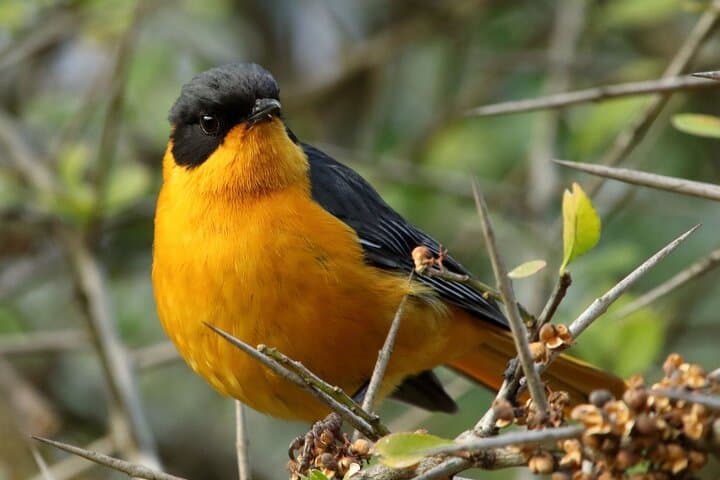
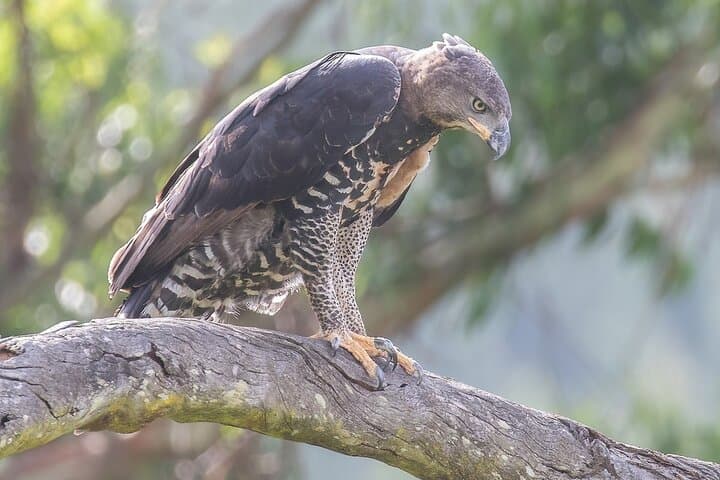
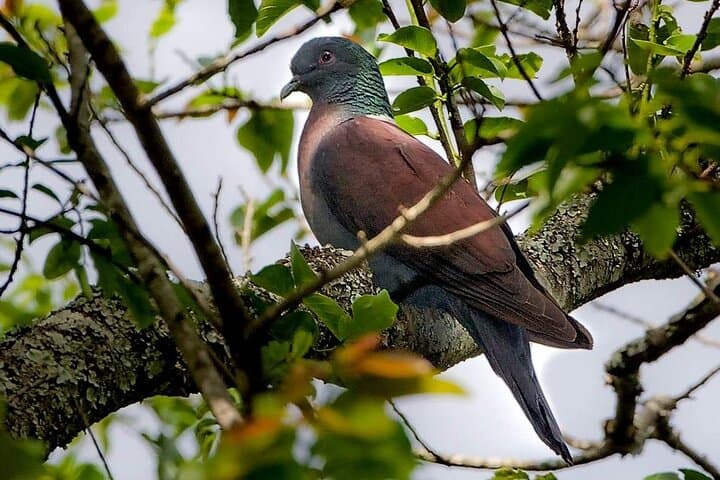
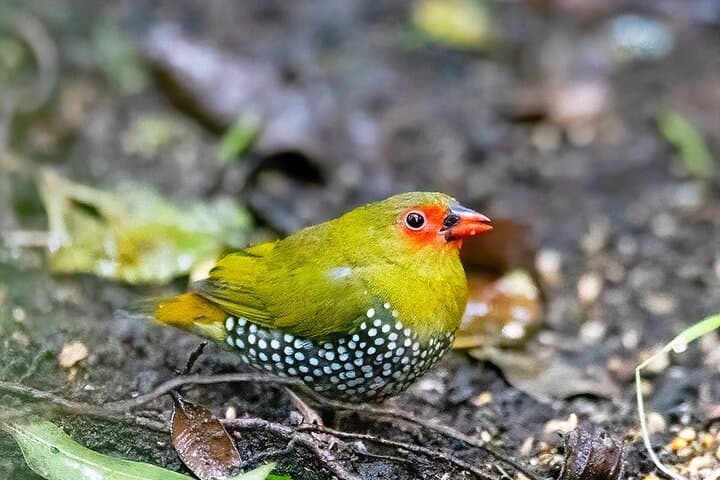
Mist clings low between the tree trunks as the tour bus eases into Eshowe; you step out into a green corridor where the forest speaks in whistles and rustles. The 150-metre aerial boardwalk lifts you into the canopy and a 20-metre observation tower lets you peer across rolling farmland and scarp forest, putting rare birds at eye level and butterflies within reach of the wind.
Mist clings low between the tree trunks as the tour bus eases into Eshowe; you step out into a green corridor where the forest speaks in whistles and rustles. The 150-metre aerial boardwalk lifts you into the canopy and a 20-metre observation tower lets you peer across rolling farmland and scarp forest, putting rare birds at eye level and butterflies within reach of the wind.
Dlinza is one of KwaZulu‑Natal’s surviving scarp forests, a remnant of the coastal escarpment that shaped local settlement and subsistence for centuries. The forest sits on the Zululand Birding Route and hosts over 90 bird species—Crowned Eagle, Narina Trogon, Purple‑crested Turaco among them—plus small mammals like blue duiker and bushbuck. Geologically the area is defined by ancient sandstones and pockets of nutrient‑rich soils that support a dense, multi‑layered canopy.
On the ground, guides parse calls and point out cryptic species while short trails wind through shaded undergrowth. The boardwalk reduces impact, keeping foot traffic off sensitive root systems and allowing close, quiet observation.
Practical notes: tours run from Richards Bay with a roughly six‑hour round trip; plan for early starts when bird activity peaks. Bring binoculars, a camera with a zoom lens and insect repellent; wear sturdy, closed shoes—the boardwalk is easy to walk but trails can be uneven and damp. Weather is subtropical—light rain can show up year‑round—so pack a light waterproof layer. Respect viewing distances and the reserve’s no‑feed rules to keep wildlife wild.