THE ADVENTURE COLLECTIVE® · Independent discovery and booking for outdoor travel

Climb Trebević from Sarajevo for an accessible yet rewarding day hike: start on the abandoned 1984 bobsleigh track, gain 700 m, then descend through dense forest with sweeping city views. This tour blends Olympic history, Dinaric geology, and practical trailwalking in one outing.
Climb Trebević from Sarajevo for an accessible yet rewarding day hike: start on the abandoned 1984 bobsleigh track, gain 700 m, then descend through dense forest with sweeping city views. This tour blends Olympic history, Dinaric geology, and practical trailwalking in one outing.
A cold wind from the ridge pushes across the abandoned 1984 Olympic bobsleigh track as you step onto Trebević’s lower switchbacks; the city of Sarajevo sprawls beneath like an honest map of rooftops and river. The hike begins on that concrete ribbon, then moves onto a narrow mountain trail that rises steadily through mixed beech and conifer forest toward Trebević’s high point. At the summit, the panorama opens—city, river valley, and distant ranges—an ideal place for a picnic and quiet oversight of the valley.
Verified experiences and guided adventures in the surrounding area.
Operated by Torus Tours · Sarajevo, Sarajevo Canton
A cold wind from the ridge pushes across the abandoned 1984 Olympic bobsleigh track as you step onto Trebević’s lower switchbacks; the city of Sarajevo sprawls beneath like an honest map of rooftops and river. The hike begins on that concrete ribbon, then moves onto a narrow mountain trail that rises steadily through mixed beech and conifer forest toward Trebević’s high point. At the summit, the panorama opens—city, river valley, and distant ranges—an ideal place for a picnic and quiet oversight of the valley.
Trebević carries visible history: wartime scars on slopes and an Olympic legacy in the crumbling track—both reminders that the mountain has been a playground, a battleground, and a lookout. Geologically the massif is part of the Dinaric Alps, with Jurassic limestone outcrops and forested ridgelines shaping quick drainage and steep gullies. Local culture is present in Sarajevo’s mountain shepherding traditions and weekend families who claim the slopes for fungi, berries and fresh air.
Practical guidance: expect about 5 km of trail with roughly 700 m elevation gain on the ascent and an easier, rolling descent through forest. The route mixes packed dirt, roots and occasional rock; weather on the ridge can change fast, so layers are essential. Hydrate before you start, pack a light lunch (many tours provide one), and allow 5–8 hours round-trip depending on pace and transport. Trail markers exist but bring a map or GPS—Trebević’s paths fork often. Leave no trace: carry out food waste and avoid disturbing wildlife. With steady legs and reasonable planning, this day hike delivers raw mountain exposure and a clear sense of Sarajevo’s landscape and history.
moderate.
5–8 hours.
Suitable for hikers with regular aerobic fitness who can sustain steady uphill walking for several hours.
The guided route covers about 5 km of trail with approximately 700 m of ascent; the whole outing including transport runs 5–8 hours.
Yes—the tour starts at the Olympic bobsleigh and luge track area; the concrete track is visible but not maintained for sliding activities.
No technical experience is required, but moderate fitness and comfort on uneven uphill terrain are recommended.
Most organized day tours include a picnic lunch at the summit; check the tour listing or operator for dietary accommodations.
Trebević hosted events for the 1984 Winter Olympics and saw frontline action during the 1990s conflict; scars and restoration projects remain visible.
Trails are vulnerable to erosion and illegal dumping; stick to established paths and pack out waste to protect fragile mountain vegetation.
Torus Tours operates guided outdoor trips and adventures with an emphasis on safety, stewardship, and memorable experiences.
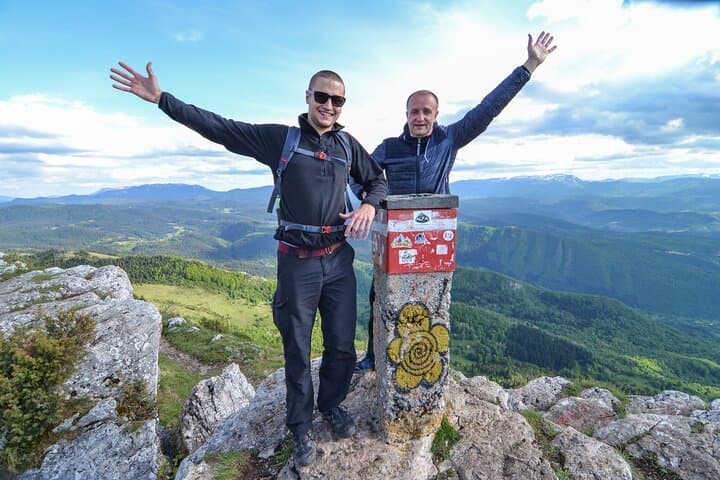
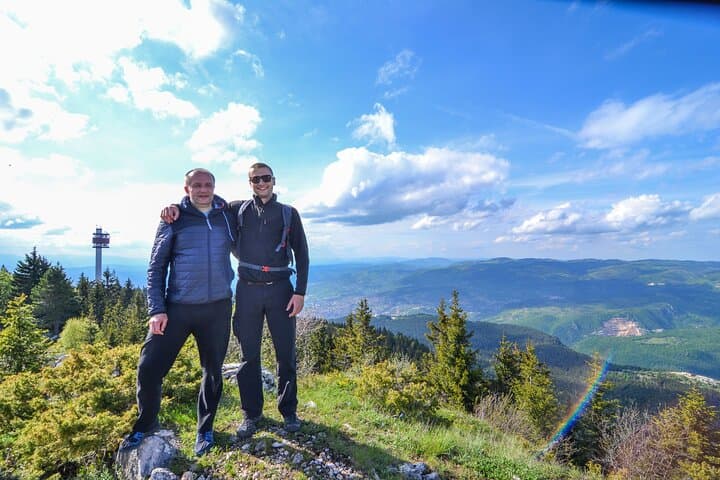
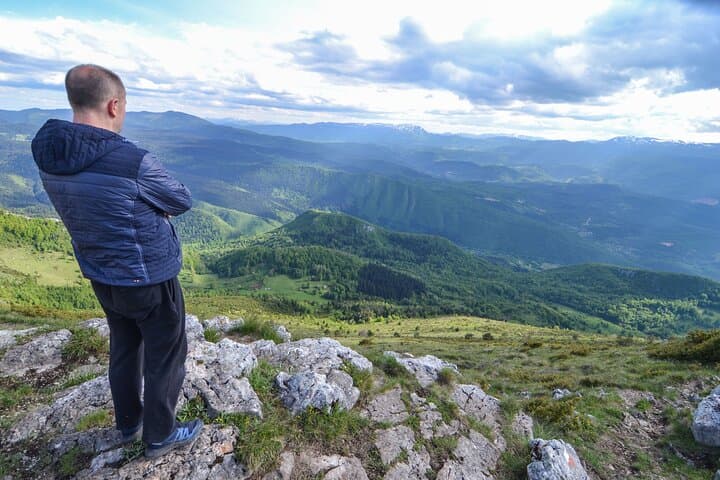
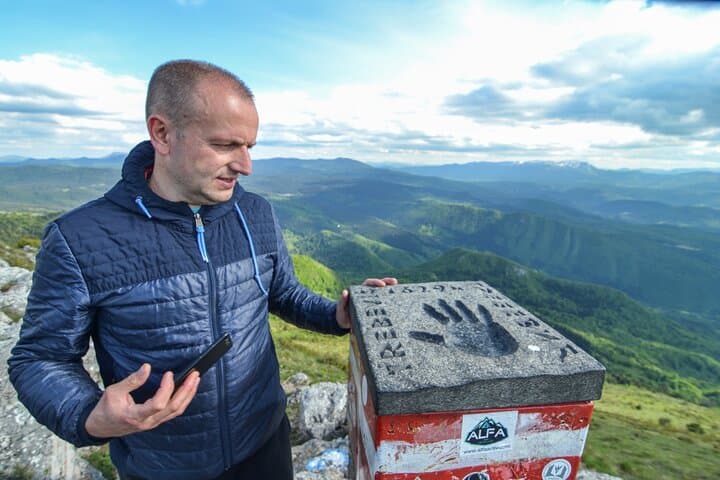
A cold wind from the ridge pushes across the abandoned 1984 Olympic bobsleigh track as you step onto Trebević’s lower switchbacks; the city of Sarajevo sprawls beneath like an honest map of rooftops and river. The hike begins on that concrete ribbon, then moves onto a narrow mountain trail that rises steadily through mixed beech and conifer forest toward Trebević’s high point. At the summit, the panorama opens—city, river valley, and distant ranges—an ideal place for a picnic and quiet oversight of the valley.
A cold wind from the ridge pushes across the abandoned 1984 Olympic bobsleigh track as you step onto Trebević’s lower switchbacks; the city of Sarajevo sprawls beneath like an honest map of rooftops and river. The hike begins on that concrete ribbon, then moves onto a narrow mountain trail that rises steadily through mixed beech and conifer forest toward Trebević’s high point. At the summit, the panorama opens—city, river valley, and distant ranges—an ideal place for a picnic and quiet oversight of the valley.
Trebević carries visible history: wartime scars on slopes and an Olympic legacy in the crumbling track—both reminders that the mountain has been a playground, a battleground, and a lookout. Geologically the massif is part of the Dinaric Alps, with Jurassic limestone outcrops and forested ridgelines shaping quick drainage and steep gullies. Local culture is present in Sarajevo’s mountain shepherding traditions and weekend families who claim the slopes for fungi, berries and fresh air.
Practical guidance: expect about 5 km of trail with roughly 700 m elevation gain on the ascent and an easier, rolling descent through forest. The route mixes packed dirt, roots and occasional rock; weather on the ridge can change fast, so layers are essential. Hydrate before you start, pack a light lunch (many tours provide one), and allow 5–8 hours round-trip depending on pace and transport. Trail markers exist but bring a map or GPS—Trebević’s paths fork often. Leave no trace: carry out food waste and avoid disturbing wildlife. With steady legs and reasonable planning, this day hike delivers raw mountain exposure and a clear sense of Sarajevo’s landscape and history.