THE ADVENTURE COLLECTIVE® · Independent discovery and booking for outdoor travel

A single day that stitches together central Bosnia’s best scenes: Ottoman-era Travnik, the blue spring and lakes of Pliva, storybook watermills and Jajce’s dramatic river meeting. Ideal for history fans and photographers who prefer compact, walkable towns.
A single day that stitches together central Bosnia’s best scenes: Ottoman-era Travnik, the blue spring and lakes of Pliva, storybook watermills and Jajce’s dramatic river meeting. Ideal for history fans and photographers who prefer compact, walkable towns.
The morning opens on a two-lane road out of Sarajevo as the gradient eases and Bosnian hills sharpen into ridges; by mid-morning you stand under Travnik’s clock tower, the town’s slate roofs sweating silver in the sun and the old fortress watching like a quiet guard.
Verified experiences and guided adventures in the surrounding area.
Operated by Bosnian Voyager · Jajce, Central Bosnia Canton
The morning opens on a two-lane road out of Sarajevo as the gradient eases and Bosnian hills sharpen into ridges; by mid-morning you stand under Travnik’s clock tower, the town’s slate roofs sweating silver in the sun and the old fortress watching like a quiet guard.
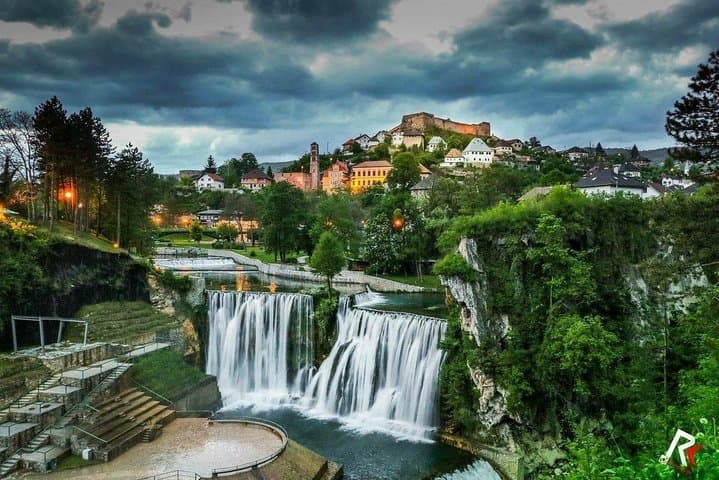
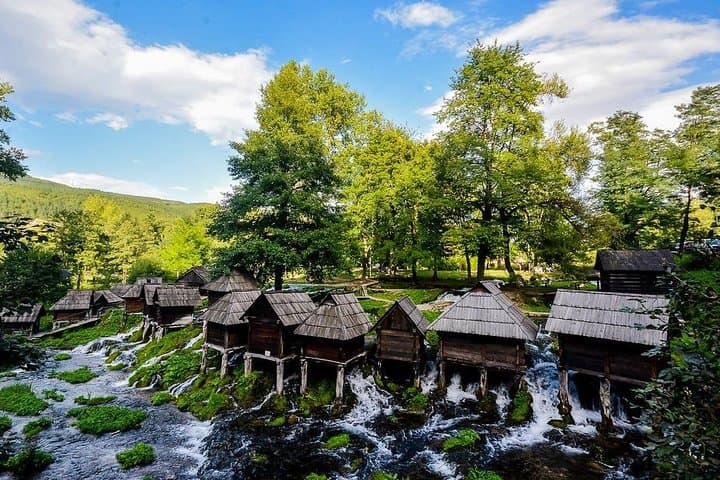
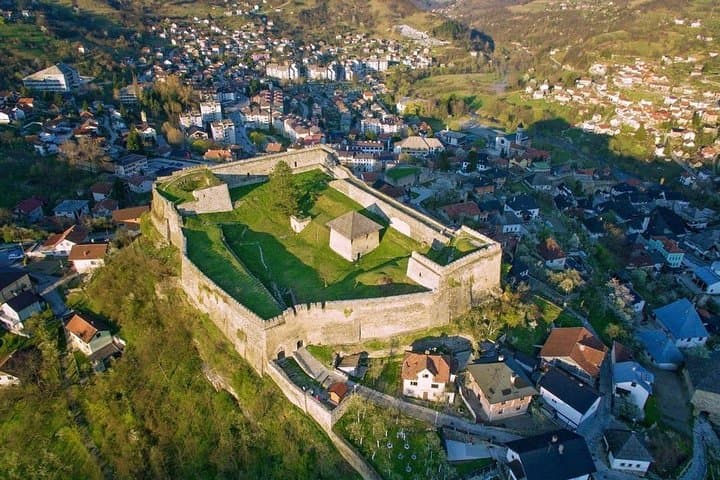
Travnik and Jajce are compact lessons in central Bosnia’s layered past: Ottoman mosques and Austro-Hungarian mills sit beside medieval stonework. Geology here is karst-influenced—limestone outcrops, clear springs and the short, rapid rivers that gave rise to Pliva’s stepped lakes and the thunderous falls at Jajce. Cultural traces are visible everywhere: colorful mosques in Travnik, wooden watermills on the Pliva, and the ramparts of a fortress that marked medieval trade and later imperial lines.
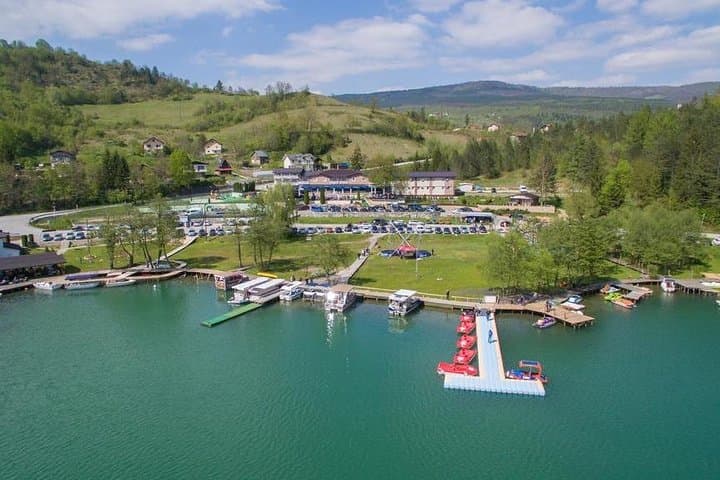
On a full-day route (about 12 hours including drives and stops), expect short walks—cobbled streets, stair climbs up to viewpoints, and flat village trails to the watermills. The Pliva lakes offer calm pockets for a quick paddle or photos; the Jajce waterfall offers raw river power where Pliva meets the Vrbas. Guides will thread history and local stories through each stop, from Sulejmanija Mosque to the AVNOJ museum.
Practical: wear sturdy walking shoes, layers for variable mountain weather, and a light daypack with water and sunscreen. Photography is easy but respect religious sites—modest dress is requested for mosque visits. Most mobility levels can join; expect brief uphill sections to fortress viewpoints and uneven surfaces at mill sites.
easy.
12 hours.
Suitable for travelers in average physical condition; includes short uphill walks and stair sections to viewpoints
The tour runs about 12 hours with stops for short walks (10–60 minutes) at each site; travel between towns is by private air-conditioned vehicle.
Transportation and many public areas are accessible, but some historic sites and mill platforms have uneven surfaces and stairs that may limit access.
Basic transportation and bottled water are included; any museum or specific site entry fees may be extra—confirm with your operator before booking.
Yes—infants and small children can ride in strollers or laps; some walking sections have stairs so bring a carrier if mobility is a concern.
Jajce was a medieval royal seat and later a crossroads of Ottoman and Austro-Hungarian rule; its mills reflect 19th-century industrial ingenuity.
The Pliva lakes and mills are subject to local conservation efforts to preserve traditional structures and water quality; visitors are asked to avoid littering and to stay on marked paths.
Bosnian Voyager operates guided outdoor trips and adventures with an emphasis on safety, stewardship, and memorable experiences.
The morning opens on a two-lane road out of Sarajevo as the gradient eases and Bosnian hills sharpen into ridges; by mid-morning you stand under Travnik’s clock tower, the town’s slate roofs sweating silver in the sun and the old fortress watching like a quiet guard.
The morning opens on a two-lane road out of Sarajevo as the gradient eases and Bosnian hills sharpen into ridges; by mid-morning you stand under Travnik’s clock tower, the town’s slate roofs sweating silver in the sun and the old fortress watching like a quiet guard.
Travnik and Jajce are compact lessons in central Bosnia’s layered past: Ottoman mosques and Austro-Hungarian mills sit beside medieval stonework. Geology here is karst-influenced—limestone outcrops, clear springs and the short, rapid rivers that gave rise to Pliva’s stepped lakes and the thunderous falls at Jajce. Cultural traces are visible everywhere: colorful mosques in Travnik, wooden watermills on the Pliva, and the ramparts of a fortress that marked medieval trade and later imperial lines.
On a full-day route (about 12 hours including drives and stops), expect short walks—cobbled streets, stair climbs up to viewpoints, and flat village trails to the watermills. The Pliva lakes offer calm pockets for a quick paddle or photos; the Jajce waterfall offers raw river power where Pliva meets the Vrbas. Guides will thread history and local stories through each stop, from Sulejmanija Mosque to the AVNOJ museum.
Practical: wear sturdy walking shoes, layers for variable mountain weather, and a light daypack with water and sunscreen. Photography is easy but respect religious sites—modest dress is requested for mosque visits. Most mobility levels can join; expect brief uphill sections to fortress viewpoints and uneven surfaces at mill sites.