THE ADVENTURE COLLECTIVE® · Independent discovery and booking for outdoor travel

Take a full-day drive through central Bosnia to Travnik’s hilltop fortress and Jajce’s rare urban waterfall. This practical guide outlines what you’ll see, the history beneath the stone, and how to prepare for an 8-hour cultural and riverside outing.
Take a full-day drive through central Bosnia to Travnik’s hilltop fortress and Jajce’s rare urban waterfall. This practical guide outlines what you’ll see, the history beneath the stone, and how to prepare for an 8-hour cultural and riverside outing.
You roll out of the coach into a cool valley where river voices change with every turn — Bosna’s steady current gives way to the Vrbas, which dares you closer to its canyon-edge towns. The day moves like a map come alive: stone streets, a fortress perching over Travnik, and then Jajce, where water drops 17 metres through the town center and the spray writes its own weather.
Verified experiences and guided adventures in the surrounding area.
Operated by NowBosnia · Jajce, Central Bosnia Canton
You roll out of the coach into a cool valley where river voices change with every turn — Bosna’s steady current gives way to the Vrbas, which dares you closer to its canyon-edge towns. The day moves like a map come alive: stone streets, a fortress perching over Travnik, and then Jajce, where water drops 17 metres through the town center and the spray writes its own weather.
Travnik’s compact old town speaks Ottoman-era administration and Bosnian literary history; its citadel offers a clear reading of the surrounding karst hills and terraced pastures carved by centuries of shepherding. Jajce is a crossroads of empires — Roman, Byzantine, Ottoman, Austro-Hungarian — and of more recent 20th-century politics: it’s where Yugoslavia’s Anti-Fascist Council met in 1943. Geologically, rivers working soft limestone have cut the Pliva and Vrbas valleys, producing lakes, tufa barriers, and the rare urban waterfall that defines Jajce.
Expect easy urban walking, short stair climbs to viewpoints, and plenty of photographic stops. Local life is visible in small kafanas (coffee houses) and riverfront mills; vendors sell smoked cheese and ćevapi. Practicalities: bring layers for canyon breezes, a refillable water bottle, and comfortable shoes with grip for wet stone. The schedule is full — plan for an 8-hour round trip and limited time at each stop. Hydrate before the fortress ascent, keep to marked paths around the rivers, and leave time to sit at the waterfall and listen as the water insists on moving forward.
easy.
6–8 hours.
Suitable for travelers with basic mobility who can manage short urban walks and modest stair climbs.
The tour runs roughly 8 hours with a mix of coach travel and walking; stops at Travnik and Jajce are about 1.5–2 hours each.
Yes — the tour is rated easy with mostly urban walking; however, there are stairs and short uphill stretches at viewing points.
According to the itinerary, admissions are included for main stops — confirm specifics with the operator when booking.
A stop at Visoko (Bosnian Pyramids) is possible but typically requires the 2-day package; time is limited on this single-day excursion.
Travnik was an Ottoman administrative center and the birthplace of Nobel laureate Ivo Andrić; Jajce hosted the 1943 AVNOJ meeting, marking the founding thread of postwar Yugoslavia.
River-side habitats and historic watermills are sensitive to litter and bank erosion; stick to paths, avoid trampling vegetation, and support local conservation initiatives when possible.
NowBosnia operates guided outdoor trips and adventures with an emphasis on safety, stewardship, and memorable experiences.
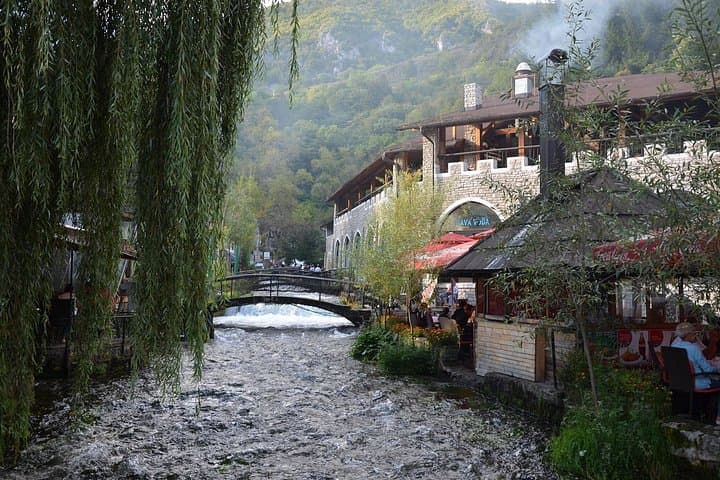
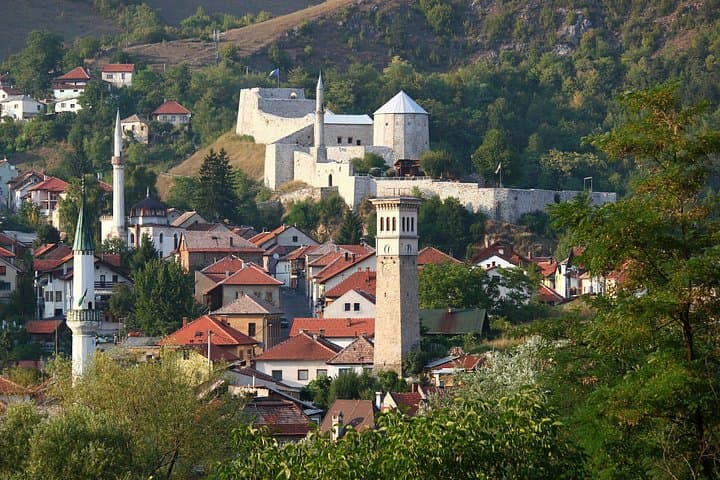
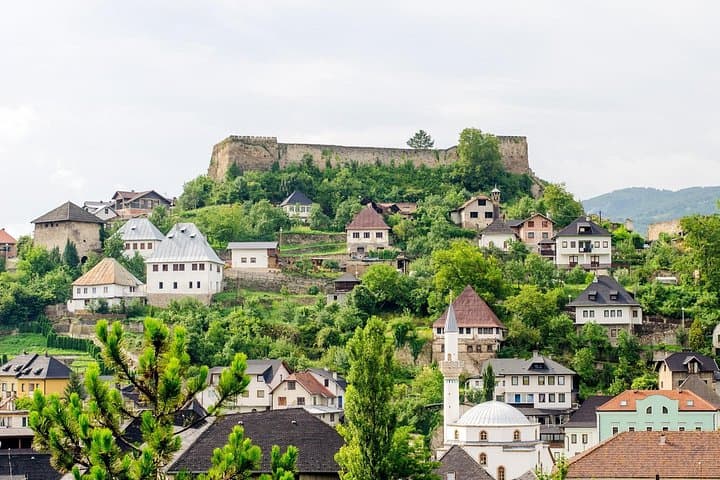
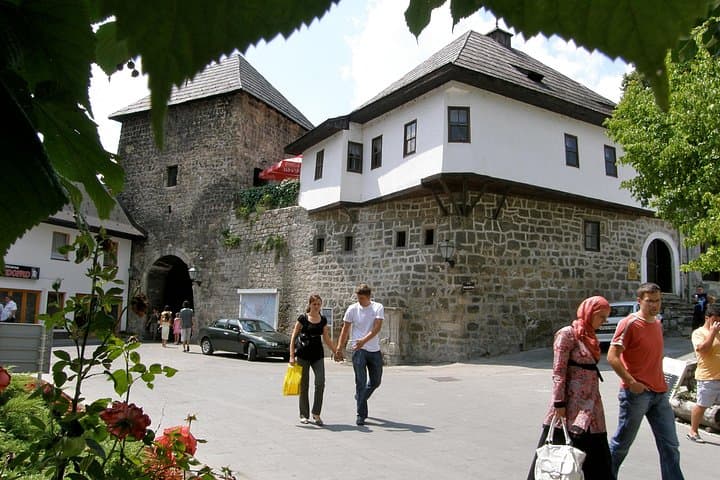
You roll out of the coach into a cool valley where river voices change with every turn — Bosna’s steady current gives way to the Vrbas, which dares you closer to its canyon-edge towns. The day moves like a map come alive: stone streets, a fortress perching over Travnik, and then Jajce, where water drops 17 metres through the town center and the spray writes its own weather.
You roll out of the coach into a cool valley where river voices change with every turn — Bosna’s steady current gives way to the Vrbas, which dares you closer to its canyon-edge towns. The day moves like a map come alive: stone streets, a fortress perching over Travnik, and then Jajce, where water drops 17 metres through the town center and the spray writes its own weather.
Travnik’s compact old town speaks Ottoman-era administration and Bosnian literary history; its citadel offers a clear reading of the surrounding karst hills and terraced pastures carved by centuries of shepherding. Jajce is a crossroads of empires — Roman, Byzantine, Ottoman, Austro-Hungarian — and of more recent 20th-century politics: it’s where Yugoslavia’s Anti-Fascist Council met in 1943. Geologically, rivers working soft limestone have cut the Pliva and Vrbas valleys, producing lakes, tufa barriers, and the rare urban waterfall that defines Jajce.
Expect easy urban walking, short stair climbs to viewpoints, and plenty of photographic stops. Local life is visible in small kafanas (coffee houses) and riverfront mills; vendors sell smoked cheese and ćevapi. Practicalities: bring layers for canyon breezes, a refillable water bottle, and comfortable shoes with grip for wet stone. The schedule is full — plan for an 8-hour round trip and limited time at each stop. Hydrate before the fortress ascent, keep to marked paths around the rivers, and leave time to sit at the waterfall and listen as the water insists on moving forward.