THE ADVENTURE COLLECTIVE® · Independent discovery and booking for outdoor travel

Explore Trastevere on a 2-hour self-guided escape game that turns cobbled lanes, hidden courtyards and frescoed façades into puzzle stops. A relaxed walking challenge, it blends local history with hands-on clues and a help line if you get stuck.
Explore Trastevere on a 2-hour self-guided escape game that turns cobbled lanes, hidden courtyards and frescoed façades into puzzle stops. A relaxed walking challenge, it blends local history with hands-on clues and a help line if you get stuck.
You step off Ponte Sisto and the Tiber breathes against the stone as Trastevere’s lanes narrow and open with equal mood.
Verified experiences and guided adventures in the surrounding area.
You step off Ponte Sisto and the Tiber breathes against the stone as Trastevere’s lanes narrow and open with equal mood.
This two-hour urban escape game turns the neighborhood’s plazas, hidden courtyards and stair-stepped alleys into a low-stakes challenge: clues point you toward frescoed doorways, tucked-away workshops and views that make the city feel close enough to touch. The game runs on foot, relying on observation rather than speed, so the river’s currents and the lane’s shadows shape the rhythm of play.
Trastevere is one of Rome’s oldest quarters, once a patch of settlements outside the republican walls and later an artisan and sailors’ district. Geologically, the area sits on alluvial terraces of the Tiber, which shaped its roads and bridges; culturally you’ll find medieval churches like Santa Maria in Trastevere and Renaissance façades such as Villa Farnesina nearby. Local shopkeepers and small museums add texture to the clues and often become part of the experience.
Practical guidance: expect about two hours of steady walking on cobbles and short stair sections. Wear comfortable shoes, keep your phone charged for hints and maps, and use the help line if a clue stalls you. Aim for early morning or late afternoon to avoid mid-day crowds and to catch softer light on mosaics.
Respect private courtyards and local businesses, hydrate, and leave no trace—this game is as much about reading the city as winning it.
easy.
2 hours.
Light fitness: comfortable walking ability, able to handle cobblestones and short flights of stairs.
The itinerary is designed for roughly two hours at a relaxed pace; faster teams can finish sooner while those who pause at sites may take longer.
Yes—families with school-age children can enjoy it, but younger kids may need assistance reading clues and crossing streets.
The activity offers instant confirmation; booking ahead is recommended during high season or weekends to secure a start time.
The provider offers a help line you can text for hints to keep the game moving without giving away solutions.
Trastevere was historically outside Rome’s ancient core and became a hub for artisans, fishermen and immigrant communities; its medieval street plan remains largely intact.
High foot traffic can erode cobbles and stress local businesses—travel lightly, avoid littering, and support small shops rather than leaving waste.
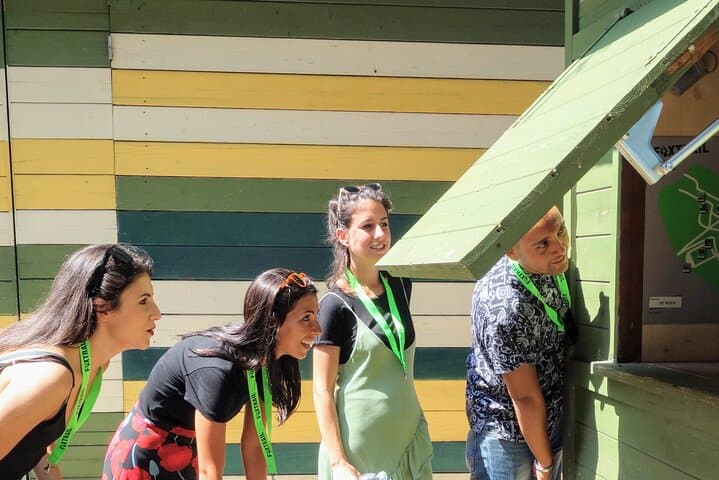
You step off Ponte Sisto and the Tiber breathes against the stone as Trastevere’s lanes narrow and open with equal mood.
You step off Ponte Sisto and the Tiber breathes against the stone as Trastevere’s lanes narrow and open with equal mood.
This two-hour urban escape game turns the neighborhood’s plazas, hidden courtyards and stair-stepped alleys into a low-stakes challenge: clues point you toward frescoed doorways, tucked-away workshops and views that make the city feel close enough to touch. The game runs on foot, relying on observation rather than speed, so the river’s currents and the lane’s shadows shape the rhythm of play.
Trastevere is one of Rome’s oldest quarters, once a patch of settlements outside the republican walls and later an artisan and sailors’ district. Geologically, the area sits on alluvial terraces of the Tiber, which shaped its roads and bridges; culturally you’ll find medieval churches like Santa Maria in Trastevere and Renaissance façades such as Villa Farnesina nearby. Local shopkeepers and small museums add texture to the clues and often become part of the experience.
Practical guidance: expect about two hours of steady walking on cobbles and short stair sections. Wear comfortable shoes, keep your phone charged for hints and maps, and use the help line if a clue stalls you. Aim for early morning or late afternoon to avoid mid-day crowds and to catch softer light on mosaics.
Respect private courtyards and local businesses, hydrate, and leave no trace—this game is as much about reading the city as winning it.