THE ADVENTURE COLLECTIVE® · Independent discovery and booking for outdoor travel

Spend a day moving from Bran Castle’s stone ramparts into high‑altitude villages where traditional sheepfolds, bat caves and mountain views define Transylvania. This guided trip mixes history, geology and hands‑on rural culture with practical travel ease.
Spend a day moving from Bran Castle’s stone ramparts into high‑altitude villages where traditional sheepfolds, bat caves and mountain views define Transylvania. This guided trip mixes history, geology and hands‑on rural culture with practical travel ease.
A thin mist lifts off the valley as the minibus threads the single carriageway toward Bran Castle, its stone silhouette rising against the Carpathians. The road climbs through beech forest and open pastures; peaks like Bucegi and Piatra Craiului peer over rooftops and seem to nudge travelers onward.
Verified experiences and guided adventures in the surrounding area.
Operated by Rolandia · Bran, Brașov County
A thin mist lifts off the valley as the minibus threads the single carriageway toward Bran Castle, its stone silhouette rising against the Carpathians. The road climbs through beech forest and open pastures; peaks like Bucegi and Piatra Craiului peer over rooftops and seem to nudge travelers onward.
This full‑day experience moves from medieval fortification to living mountain culture. Bran Castle—often linked to Dracula in popular lore—has six centuries of history as a strategic mountain stronghold and customs house, its architecture shaped by regional trade and defense. The surrounding geology is classic Southern Carpathians: limestone ridges, karst formations and valleys carved by seasonal streams that continue to shape caves and cliffs. Local villages preserve pastoral traditions: wooden sheepfolds, hand‑made cheeses, and household recipes that reflect centuries of Transylvanian Saxon, Romanian and shepherding influences.
Visitors will see a bat cave formed by stream erosion and climb to alpine hamlets above 1,000 m where air and viewpoints feel restorative. A hosted traditional lunch and a demonstration of sheep milking and cheese making add tangible cultural context.
Practical guidance: the day includes several short, uneven walks—moderate fitness and sturdy shoes recommended. Expect mixed surfaces: paved lanes, packed dirt and rocky footpaths. Bring layers for sharp temperature changes at higher elevations, cash for small purchases in villages, and a reusable water bottle. The tour includes hotel pickup and modern transport; early departures help avoid midday crowds at Bran Castle and deliver the clearest mountain light for photographs.
moderate.
10 hours.
Moderate—able to walk several short hikes on uneven terrain and handle stairs and slopes
Expect several short walks (10–40 minutes) on uneven or sloped terrain at different stops; the tour is not technically demanding but requires moderate mobility.
Yes, entrance fees are listed as included in the itinerary for the Bran Castle visit.
A traditional lunch is included; inform the operator of dietary restrictions when booking so they can accommodate you.
Yes—hotel pickup and drop‑off in the Brașov area are included as part of the tour.
The Bran area served as a medieval customs point between Wallachia and Transylvania; its castle reflects strategic trade routes and mixed cultural influences of the region.
Visitors should stick to marked paths and avoid feeding livestock; rural areas rely on sustainable grazing and local practices that can be disrupted by waste and off‑trail travel.
Rolandia operates guided outdoor trips and adventures with an emphasis on safety, stewardship, and memorable experiences.


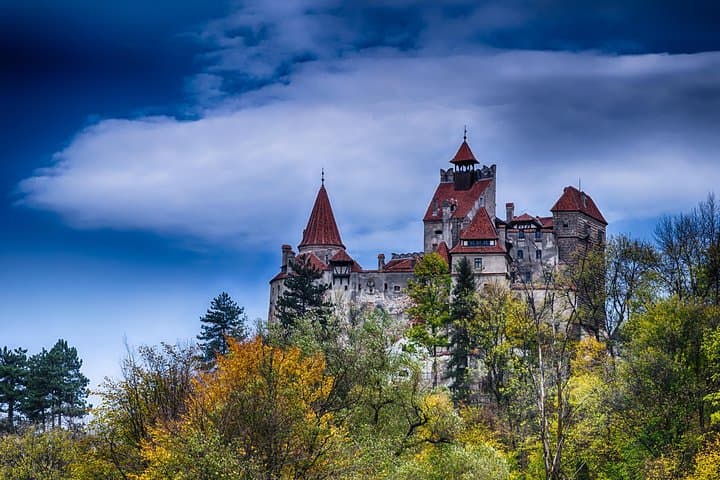
A thin mist lifts off the valley as the minibus threads the single carriageway toward Bran Castle, its stone silhouette rising against the Carpathians. The road climbs through beech forest and open pastures; peaks like Bucegi and Piatra Craiului peer over rooftops and seem to nudge travelers onward.
A thin mist lifts off the valley as the minibus threads the single carriageway toward Bran Castle, its stone silhouette rising against the Carpathians. The road climbs through beech forest and open pastures; peaks like Bucegi and Piatra Craiului peer over rooftops and seem to nudge travelers onward.
This full‑day experience moves from medieval fortification to living mountain culture. Bran Castle—often linked to Dracula in popular lore—has six centuries of history as a strategic mountain stronghold and customs house, its architecture shaped by regional trade and defense. The surrounding geology is classic Southern Carpathians: limestone ridges, karst formations and valleys carved by seasonal streams that continue to shape caves and cliffs. Local villages preserve pastoral traditions: wooden sheepfolds, hand‑made cheeses, and household recipes that reflect centuries of Transylvanian Saxon, Romanian and shepherding influences.
Visitors will see a bat cave formed by stream erosion and climb to alpine hamlets above 1,000 m where air and viewpoints feel restorative. A hosted traditional lunch and a demonstration of sheep milking and cheese making add tangible cultural context.
Practical guidance: the day includes several short, uneven walks—moderate fitness and sturdy shoes recommended. Expect mixed surfaces: paved lanes, packed dirt and rocky footpaths. Bring layers for sharp temperature changes at higher elevations, cash for small purchases in villages, and a reusable water bottle. The tour includes hotel pickup and modern transport; early departures help avoid midday crowds at Bran Castle and deliver the clearest mountain light for photographs.