THE ADVENTURE COLLECTIVE® · Independent discovery and booking for outdoor travel

Drive the route Bram Stoker drew on the map: a full-day private tour from Cluj-Napoca through Bánffy Castle, Bistrița and the Borgo Pass. Expect light hikes, historic houses, and an explanation of why Castle Dracula is more legend than location.
Drive the route Bram Stoker drew on the map: a full-day private tour from Cluj-Napoca through Bánffy Castle, Bistrița and the Borgo Pass. Expect light hikes, historic houses, and an explanation of why Castle Dracula is more legend than location.
A gray morning lifts off Cluj-Napoca and the private minivan hums north, the Carpathians growing like a folded horizon ahead. Mist pockets the Borgo Pass as the road narrows; trees lean in, the wind seems to hush. This is the landscape Bram Stoker used as atmosphere—an architecture of ridgelines and stone villages that makes the countryside feel as if it could tell a story.
Verified experiences and guided adventures in the surrounding area.
Operated by Hoia-Baciu Project · Cluj-Napoca, Cluj County
A gray morning lifts off Cluj-Napoca and the private minivan hums north, the Carpathians growing like a folded horizon ahead. Mist pockets the Borgo Pass as the road narrows; trees lean in, the wind seems to hush. This is the landscape Bram Stoker used as atmosphere—an architecture of ridgelines and stone villages that makes the countryside feel as if it could tell a story.
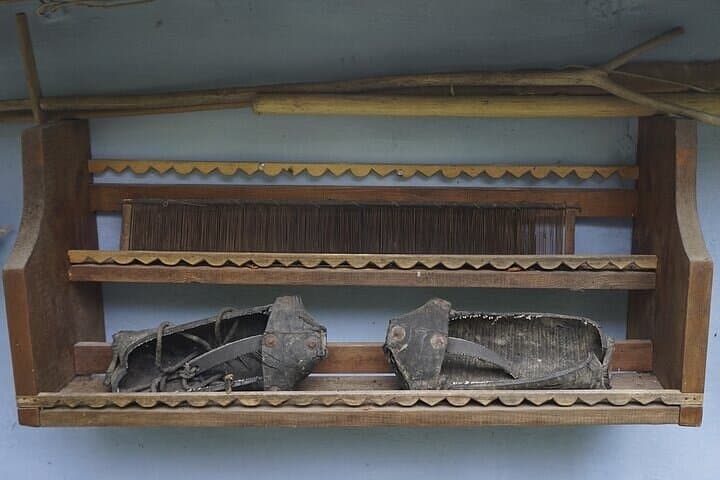
The day stitches literary pilgrimage to real history: Bánffy Castle in Bonțida reveals Transylvania's noble estates and Saxon-era influence, while the Bistrița museum exposes local crafts, folklore, and the practical origins of superstitions that fed Victorian imaginations. Geologically, you travel the outer Carpathians—folded sedimentary layers and forested slopes that funnel weather and shape steep passes like Borgo/Tihuța. Culturally the route carries Hungarian, Romanian, and Saxon traces in language, food and manor architecture; you’ll taste mamaliga and hear why Stoker's Castle Dracula is more fictional overlay than mapped fact.
Practically: the tour is a 10–12 hour private drive with short walks and light hikes—expect uneven village streets, paved mountain roads, and brief stair climbs inside historic sites. Entrance fees and a local lunch are usually included; bring layered clothing, sturdy shoes, and ID for museum entry. Weather can flip in a day here: plan for sun and sudden wind or rain. Photography is best mid-morning in the pass and late afternoon on castle façades. If you want Bran Castle specifically, confirm with your operator—this itinerary focuses on the literary route through Bistrița, Bonțida and the Borgo Pass rather than a single, iconic 'Dracula' building.
moderate.
10–12 hours.
Moderate fitness for a full day of sitting, short uphill walks and stair climbs; not strenuous but requires mobility.
This itinerary focuses on Bánffy Castle, Bistrița and the Borgo (Tihuța) Pass; Bran Castle is often associated with Dracula in tourism but is not on the standard route—ask the operator if you want it added.
Expect short, unpaved walks and stair climbs at historic sites—nothing technical, but comfortable shoes and moderate mobility are recommended.
The tour typically includes bottled water, a local lunch and certain entrance fees; check your booking confirmation for exact inclusions.
Private transportation is provided and most operators offer hotel pickup—confirm your specific pickup point when booking.
Transylvania's landscape reflects centuries of Saxon, Hungarian and Romanian settlement; manor houses like Bánffy tell the story of regional nobility and changing borders.
Rural tourism can strain fragile mountain ecosystems—stay on paths, avoid disturbing wildlife and support local guides and restoration efforts.
Hoia-Baciu Project operates guided outdoor trips and adventures with an emphasis on safety, stewardship, and memorable experiences.
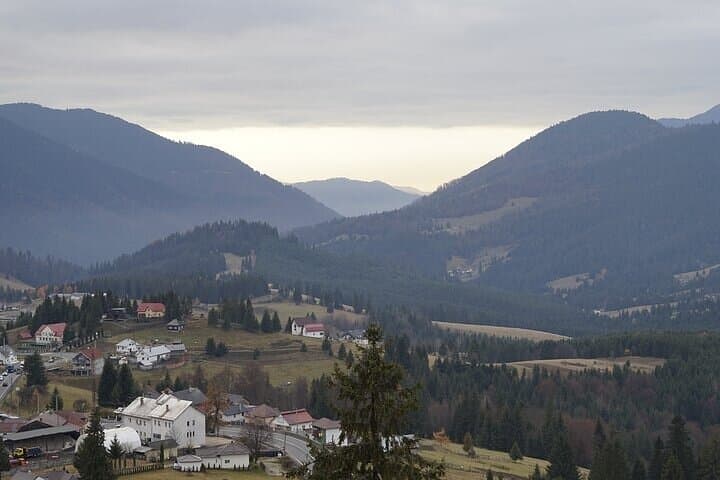
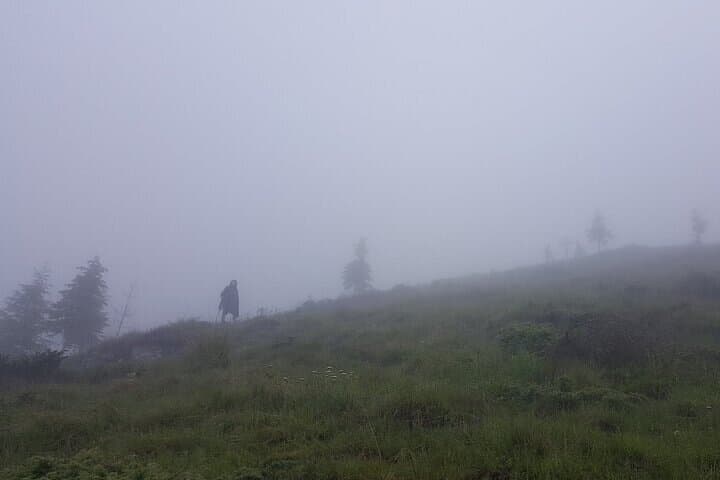
A gray morning lifts off Cluj-Napoca and the private minivan hums north, the Carpathians growing like a folded horizon ahead. Mist pockets the Borgo Pass as the road narrows; trees lean in, the wind seems to hush. This is the landscape Bram Stoker used as atmosphere—an architecture of ridgelines and stone villages that makes the countryside feel as if it could tell a story.
A gray morning lifts off Cluj-Napoca and the private minivan hums north, the Carpathians growing like a folded horizon ahead. Mist pockets the Borgo Pass as the road narrows; trees lean in, the wind seems to hush. This is the landscape Bram Stoker used as atmosphere—an architecture of ridgelines and stone villages that makes the countryside feel as if it could tell a story.
The day stitches literary pilgrimage to real history: Bánffy Castle in Bonțida reveals Transylvania's noble estates and Saxon-era influence, while the Bistrița museum exposes local crafts, folklore, and the practical origins of superstitions that fed Victorian imaginations. Geologically, you travel the outer Carpathians—folded sedimentary layers and forested slopes that funnel weather and shape steep passes like Borgo/Tihuța. Culturally the route carries Hungarian, Romanian, and Saxon traces in language, food and manor architecture; you’ll taste mamaliga and hear why Stoker's Castle Dracula is more fictional overlay than mapped fact.
Practically: the tour is a 10–12 hour private drive with short walks and light hikes—expect uneven village streets, paved mountain roads, and brief stair climbs inside historic sites. Entrance fees and a local lunch are usually included; bring layered clothing, sturdy shoes, and ID for museum entry. Weather can flip in a day here: plan for sun and sudden wind or rain. Photography is best mid-morning in the pass and late afternoon on castle façades. If you want Bran Castle specifically, confirm with your operator—this itinerary focuses on the literary route through Bistrița, Bonțida and the Borgo Pass rather than a single, iconic 'Dracula' building.