THE ADVENTURE COLLECTIVE® · Independent discovery and booking for outdoor travel

Cross a border that exists in practice if not in name and spend a day in Transnistria, where Soviet monuments, a T-34 tank, and austere Soviet architecture create an unusual living museum. This day tour from Chisinau blends history, local color, and hassle-free logistics.
Cross a border that exists in practice if not in name and spend a day in Transnistria, where Soviet monuments, a T-34 tank, and austere Soviet architecture create an unusual living museum. This day tour from Chisinau blends history, local color, and hassle-free logistics.
You step off the minivan and the air feels different—clearly older, like a set left intact since another era. Streets in Tiraspol are wide, framed by stern Soviet architecture and bronze statues that still salute a vanished ideology. The Dniester river murmurs nearby, as if nudging you toward the city's layered past.
Verified experiences and guided adventures in the surrounding area.
Operated by Moldovatovisit&tours · Tiraspol, Transnistria
You step off the minivan and the air feels different—clearly older, like a set left intact since another era. Streets in Tiraspol are wide, framed by stern Soviet architecture and bronze statues that still salute a vanished ideology. The Dniester river murmurs nearby, as if nudging you toward the city's layered past.
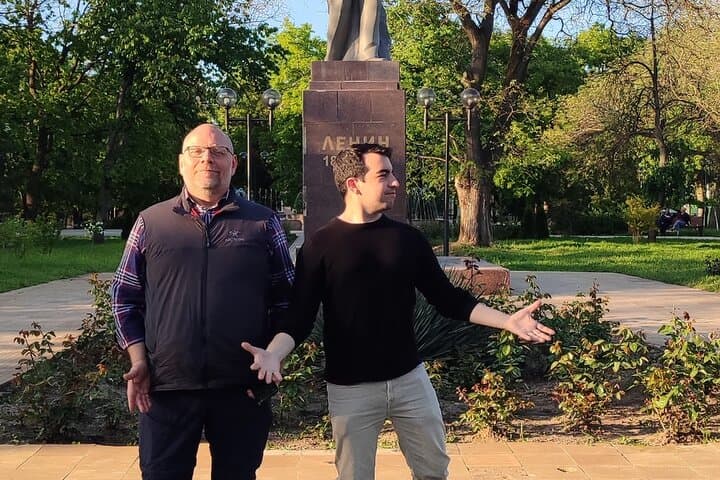
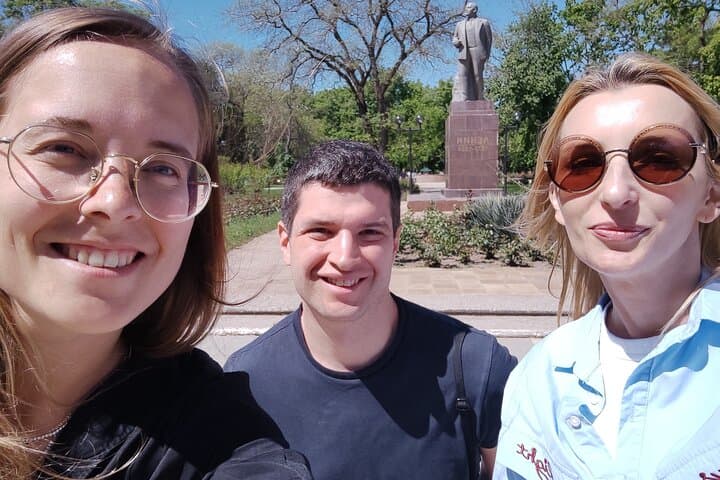
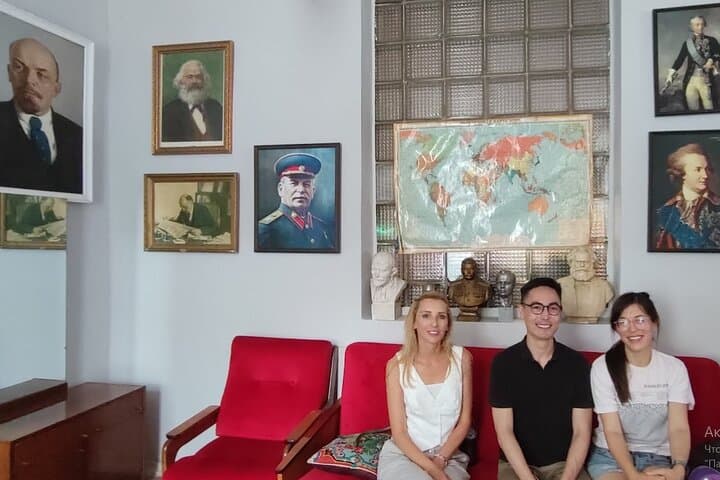
Transnistria declared independence from Moldova in 1990 and has preserved much of its Soviet identity: Lenin statues, Stalinist facades, and functional public spaces. Geologically the region sits on rolling lowlands carved by the Dniester; vineyards and small villages punctuate the approach from Chisinau. Cultural notes matter here: Russian is widely spoken, Cyrillic signage dominates, and local institutions operate like a state within a state—complete with its own currency and military symbols.
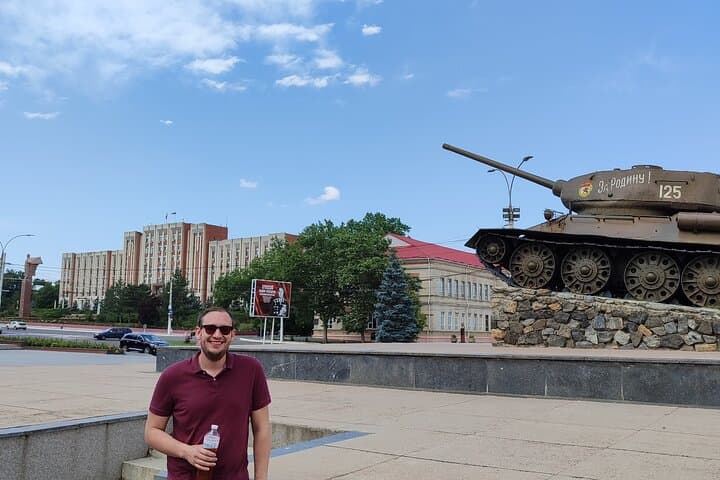
The tour moves at a steady pace: a countryside drive, a stop at Bender fortress and its Ottoman foundations, then Tiraspol’s House of Soviets, tank memorial, and an authentic stolovka meal—simple, efficient, and telling. Expect photographic moments and quiet squares where the past still exerts itself.
Practically, the day is a long one—7 to 8 hours of easy walking and short transfers. Border formalities are part of the experience; guides usually handle paperwork but bring valid ID and be prepared for passport checks. Wear comfortable shoes, carry small bills for snacks, and allow extra time for photography and questions. This is a cultural reconnaissance into a functioning relic: intriguing, accessible, and quietly surprising for curious travelers.
easy.
7–8 hours.
Light fitness; stand and walk on city streets for several hours with short transfers by vehicle.
Most visitors enter from Moldova without a separate Transnistrian visa; however, passport control and registration procedures are required—your operator will usually assist.
Visits are generally safe and the region is calm, but stay with your guide, follow local advice, and avoid political demonstrations or military sites.
Mobile coverage varies and roaming can be limited; download maps and contact info beforehand and consider offline options.
A simple stolovka-style meal or café stop is typically included; expect basic, traditional dishes reminiscent of Soviet-era canteens.
Transnistria proclaimed independence in 1990 and maintains Soviet-style institutions and monuments; its unrecognized status has preserved a unique political and cultural landscape.
Travelers should respect public monuments and historic sites, avoid littering, and follow local guidance to minimize impact on fragile urban heritage areas.
Moldovatovisit&tours operates guided outdoor trips and adventures with an emphasis on safety, stewardship, and memorable experiences.
You step off the minivan and the air feels different—clearly older, like a set left intact since another era. Streets in Tiraspol are wide, framed by stern Soviet architecture and bronze statues that still salute a vanished ideology. The Dniester river murmurs nearby, as if nudging you toward the city's layered past.
You step off the minivan and the air feels different—clearly older, like a set left intact since another era. Streets in Tiraspol are wide, framed by stern Soviet architecture and bronze statues that still salute a vanished ideology. The Dniester river murmurs nearby, as if nudging you toward the city's layered past.
Transnistria declared independence from Moldova in 1990 and has preserved much of its Soviet identity: Lenin statues, Stalinist facades, and functional public spaces. Geologically the region sits on rolling lowlands carved by the Dniester; vineyards and small villages punctuate the approach from Chisinau. Cultural notes matter here: Russian is widely spoken, Cyrillic signage dominates, and local institutions operate like a state within a state—complete with its own currency and military symbols.
The tour moves at a steady pace: a countryside drive, a stop at Bender fortress and its Ottoman foundations, then Tiraspol’s House of Soviets, tank memorial, and an authentic stolovka meal—simple, efficient, and telling. Expect photographic moments and quiet squares where the past still exerts itself.
Practically, the day is a long one—7 to 8 hours of easy walking and short transfers. Border formalities are part of the experience; guides usually handle paperwork but bring valid ID and be prepared for passport checks. Wear comfortable shoes, carry small bills for snacks, and allow extra time for photography and questions. This is a cultural reconnaissance into a functioning relic: intriguing, accessible, and quietly surprising for curious travelers.