THE ADVENTURE COLLECTIVE® · Independent discovery and booking for outdoor travel

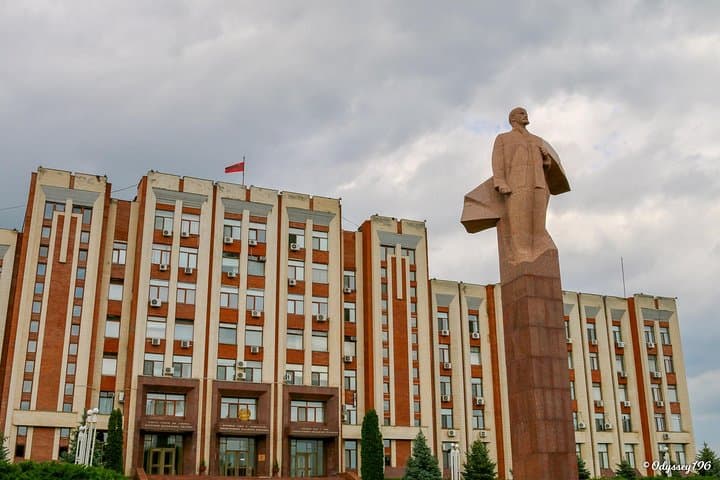
Cross an unrecognized border into a living Soviet museum: walk Tiraspol’s boulevards, see Lenin statues and a T-34 tank, and stand on the ramparts of Bender Fortress. This guided day tour from Chisinau pairs sharp historical context with practical logistics for a seamless visit.
Cross an unrecognized border into a living Soviet museum: walk Tiraspol’s boulevards, see Lenin statues and a T-34 tank, and stand on the ramparts of Bender Fortress. This guided day tour from Chisinau pairs sharp historical context with practical logistics for a seamless visit.
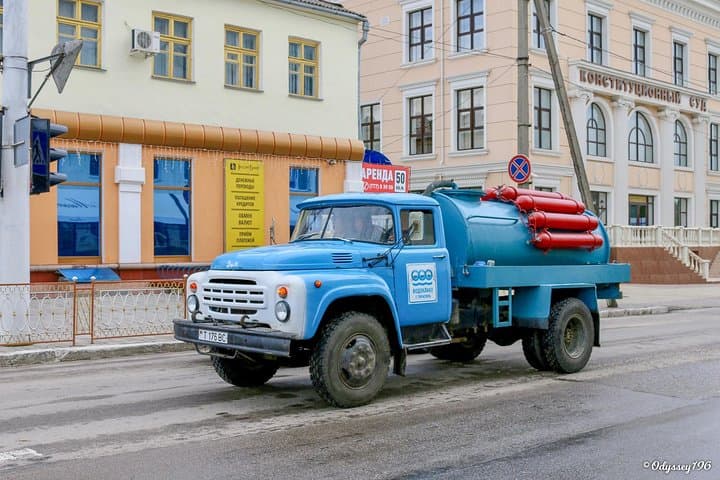
A gray morning on the road from Chisinau feels like flipping a page of recent history: Soviet-era apartment blocks give way to wide boulevards flanked by statues that refuse to be anonymous. The Dniester River runs through Tiraspol with a slow current that seems to dare you to look closer; metal tanks and gold-domed chapels punctuate the skyline.
Verified experiences and guided adventures in the surrounding area.
Operated by Hi Moldova DMC · Tiraspol, Transnistria (PMR)
A gray morning on the road from Chisinau feels like flipping a page of recent history: Soviet-era apartment blocks give way to wide boulevards flanked by statues that refuse to be anonymous. The Dniester River runs through Tiraspol with a slow current that seems to dare you to look closer; metal tanks and gold-domed chapels punctuate the skyline.
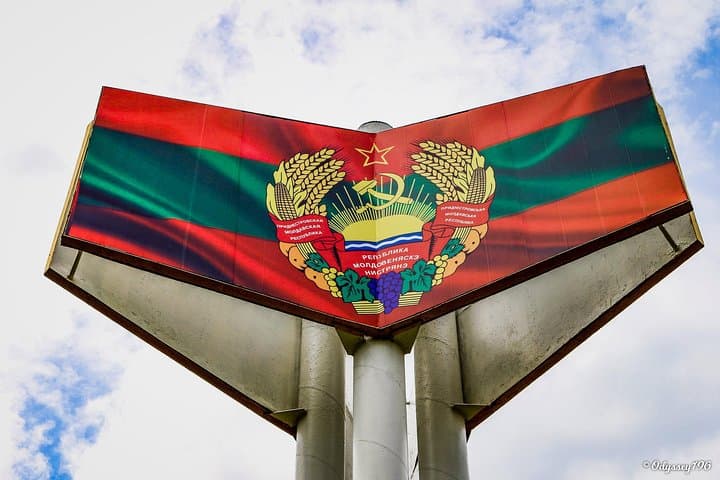
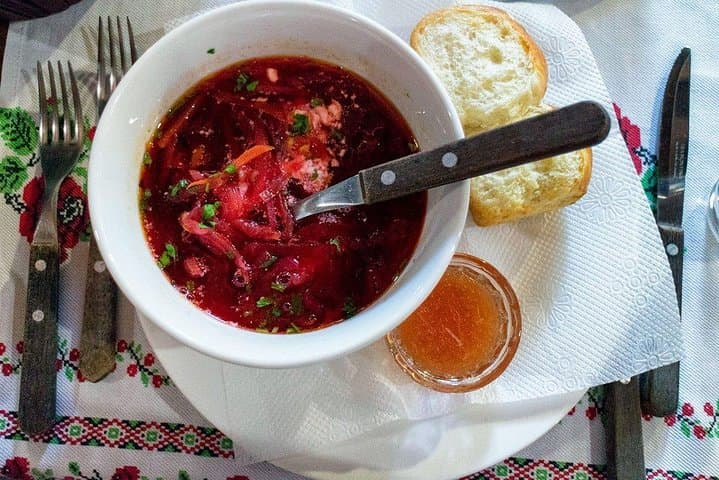
This full-day excursion crosses an unrecognized border into the self-declared Pridnestrovian Moldavian Republic (Transnistria), where Soviet iconography, Russian military remnants, and Ottoman-era stonework at Bender Fortress sit within sight of one another. Tiraspol grew as an industrial and administrative center in the 18th–20th centuries; Bendery (Bender) carries earlier Ottoman and Russian layers, its fortress dating to the 16th century. Local culture blends Russian and Moldovan language and cuisine—expect hearty stews, vodka museums, and a market where Soviet-era rhythms persist.
Practically, the tour is about 6–7 hours with round-trip transfer from Chisinau and short walking stops: the Tighina military cemetery, Tiraspol’s central square and House of Soviets, the Green Market, and Bender Fortress (optional entry). Bring a valid passport for the border crossing, small bills in local or Russian currency for markets and tips, and comfortable shoes for uneven streets and fortress stone. Photography of military installations can be sensitive—follow your guide’s directions. Plan for variable weather and an optional Soviet-cafĂ© lunch; the guide manages permits and explains local history, leaving visitors with a clear picture of a place that exists off most maps but is unmistakably real.
easy.
6–7 hours.
Light activity suitable for most travelers; includes short walks and stairs in historical sites.
You need a valid passport; Transnistria is a self-declared entity inside Moldova—visa requirements depend on your nationality, so check Moldova and your embassy for specifics.
Guided day tours are generally safe; political sensitivities exist so follow your guide, avoid photographing military personnel, and carry ID at all times.
Transnistrian ruble is commonly used locally; Russian rubles and Moldovan leu are also accepted in many places—bring small bills as card acceptance is limited.
Russian is the dominant language in Transnistria; Moldovan/Romanian and some Ukrainian are also used—guides typically speak Russian and English or Romanian.
The corridor’s history layers Ottoman, Russian Imperial, Soviet, and post-Soviet events—Bender Fortress dates to the 16th century while Tiraspol expanded under Russian and Soviet rule.
Visitors should minimize litter and avoid photographing restricted military areas; local sites benefit from respectful tourism that supports markets and small businesses.
Hi Moldova DMC operates guided outdoor trips and adventures with an emphasis on safety, stewardship, and memorable experiences.
A gray morning on the road from Chisinau feels like flipping a page of recent history: Soviet-era apartment blocks give way to wide boulevards flanked by statues that refuse to be anonymous. The Dniester River runs through Tiraspol with a slow current that seems to dare you to look closer; metal tanks and gold-domed chapels punctuate the skyline.
A gray morning on the road from Chisinau feels like flipping a page of recent history: Soviet-era apartment blocks give way to wide boulevards flanked by statues that refuse to be anonymous. The Dniester River runs through Tiraspol with a slow current that seems to dare you to look closer; metal tanks and gold-domed chapels punctuate the skyline.
This full-day excursion crosses an unrecognized border into the self-declared Pridnestrovian Moldavian Republic (Transnistria), where Soviet iconography, Russian military remnants, and Ottoman-era stonework at Bender Fortress sit within sight of one another. Tiraspol grew as an industrial and administrative center in the 18th–20th centuries; Bendery (Bender) carries earlier Ottoman and Russian layers, its fortress dating to the 16th century. Local culture blends Russian and Moldovan language and cuisine—expect hearty stews, vodka museums, and a market where Soviet-era rhythms persist.
Practically, the tour is about 6–7 hours with round-trip transfer from Chisinau and short walking stops: the Tighina military cemetery, Tiraspol’s central square and House of Soviets, the Green Market, and Bender Fortress (optional entry). Bring a valid passport for the border crossing, small bills in local or Russian currency for markets and tips, and comfortable shoes for uneven streets and fortress stone. Photography of military installations can be sensitive—follow your guide’s directions. Plan for variable weather and an optional Soviet-cafĂ© lunch; the guide manages permits and explains local history, leaving visitors with a clear picture of a place that exists off most maps but is unmistakably real.