THE ADVENTURE COLLECTIVE® · Independent discovery and booking for outdoor travel

Walk Medellín’s contested memory lanes on a private four-hour tour that visits Pablo Escobar’s grave, his final safehouse, and local murals and museums. The experience focuses on social transformation and community perspectives rather than sensationalizing the past.
Walk Medellín’s contested memory lanes on a private four-hour tour that visits Pablo Escobar’s grave, his final safehouse, and local murals and museums. The experience focuses on social transformation and community perspectives rather than sensationalizing the past.
You step into Medellín through a low city morning—buses exhale, vendors arrange fruit, and the hills that bowl the Aburrá Valley catch the first light. The Transformation Tour moves through neighborhoods where memory and reinvention meet: a modest cemetery plot that marks Pablo Escobar’s grave, the house where he spent his last hours, and murals and museum displays that argue over how history is remembered.
Verified experiences and guided adventures in the surrounding area.
Operated by letscolombia · Medellín, Antioquia
You step into Medellín through a low city morning—buses exhale, vendors arrange fruit, and the hills that bowl the Aburrá Valley catch the first light. The Transformation Tour moves through neighborhoods where memory and reinvention meet: a modest cemetery plot that marks Pablo Escobar’s grave, the house where he spent his last hours, and murals and museum displays that argue over how history is remembered.
Medellín’s story is both recent and layered: rapid urban growth in a mountain basin, coffee-region geology that carved steep, verdant slopes, and a brutal chapter in the late 20th century when drug cartels reshaped politics and daily life. The tour frames those years through local voices—survivors, ex-residents, artists—so the emphasis sits on societal change rather than sensationalism.
Expect short walks between sites, close urban views, and stops for commentary and photographs. Guides discuss how neighborhoods rebuilt, cultural projects that redirected youth energy, and the uneasy legacy of objects, graffiti, and small museums that some locals treat as history while others reject it.
Practically: tours run about four hours with private vehicle transport and hotel pickup, bottled water provided, and passport details required at booking. Be prepared to follow a guide’s lead around sensitive sites, keep questions measured, and wear comfortable shoes for uneven sidewalks and brief uphill stretches. The city’s microclimate can flip from sun to shower; pack a light rain layer and bring local cash for small purchases or donations to community projects.
easy.
4 hours.
Suitable for all fitness levels; expect short, easy walks and brief uphill stretches.
Yes—children are allowed but must be accompanied by an adult; content covers difficult historical topics so use discretion for younger kids.
No—sites are viewed from public areas or exteriors; the tour focuses on context and community perspectives rather than entering private properties.
This is a private guided tour with transport; guides stick to well-traveled routes and coordinate pickup/drop-off at your hotel or agreed point.
Tours may be multilingual; confirm availability of guides in your preferred language when booking.
Medellín was transformed by rapid urbanization and violent conflicts tied to the drug trade in the late 20th century; the city has since invested heavily in social programs and public infrastructure to heal communities.
Guides emphasize respectful, non-exploitative engagement—avoid buying items that glorify violence and consider donating to community recovery projects instead.
letscolombia operates guided outdoor trips and adventures with an emphasis on safety, stewardship, and memorable experiences.
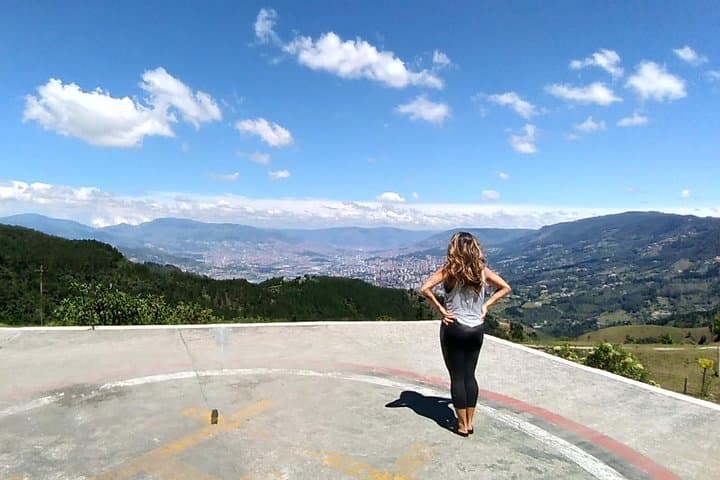
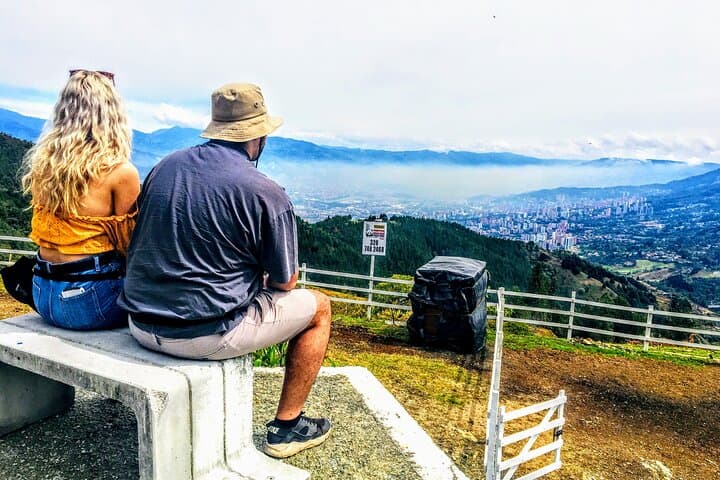
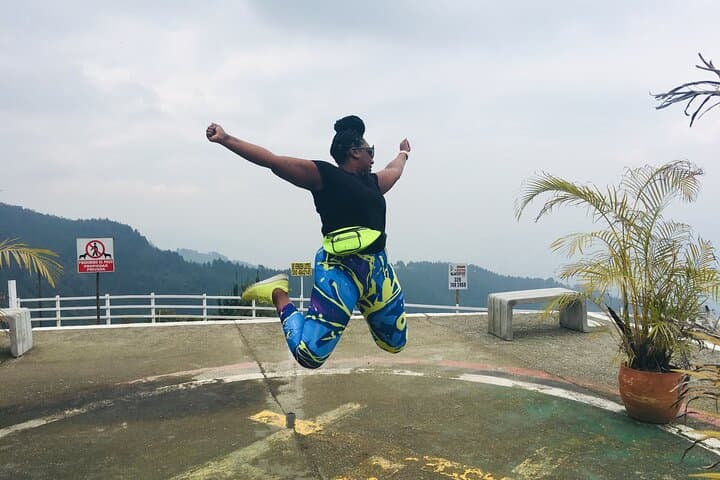
You step into Medellín through a low city morning—buses exhale, vendors arrange fruit, and the hills that bowl the Aburrá Valley catch the first light. The Transformation Tour moves through neighborhoods where memory and reinvention meet: a modest cemetery plot that marks Pablo Escobar’s grave, the house where he spent his last hours, and murals and museum displays that argue over how history is remembered.
You step into Medellín through a low city morning—buses exhale, vendors arrange fruit, and the hills that bowl the Aburrá Valley catch the first light. The Transformation Tour moves through neighborhoods where memory and reinvention meet: a modest cemetery plot that marks Pablo Escobar’s grave, the house where he spent his last hours, and murals and museum displays that argue over how history is remembered.
Medellín’s story is both recent and layered: rapid urban growth in a mountain basin, coffee-region geology that carved steep, verdant slopes, and a brutal chapter in the late 20th century when drug cartels reshaped politics and daily life. The tour frames those years through local voices—survivors, ex-residents, artists—so the emphasis sits on societal change rather than sensationalism.
Expect short walks between sites, close urban views, and stops for commentary and photographs. Guides discuss how neighborhoods rebuilt, cultural projects that redirected youth energy, and the uneasy legacy of objects, graffiti, and small museums that some locals treat as history while others reject it.
Practically: tours run about four hours with private vehicle transport and hotel pickup, bottled water provided, and passport details required at booking. Be prepared to follow a guide’s lead around sensitive sites, keep questions measured, and wear comfortable shoes for uneven sidewalks and brief uphill stretches. The city’s microclimate can flip from sun to shower; pack a light rain layer and bring local cash for small purchases or donations to community projects.