THE ADVENTURE COLLECTIVE® · Independent discovery and booking for outdoor travel

Drive one of the world’s most spectacular mountain roads from Brașov to Balea Lake. Expect dramatic hairpins, high-altitude viewpoints, and short hikes to glacial scenery — best visited mid-June through mid-November.
Drive one of the world’s most spectacular mountain roads from Brașov to Balea Lake. Expect dramatic hairpins, high-altitude viewpoints, and short hikes to glacial scenery — best visited mid-June through mid-November.
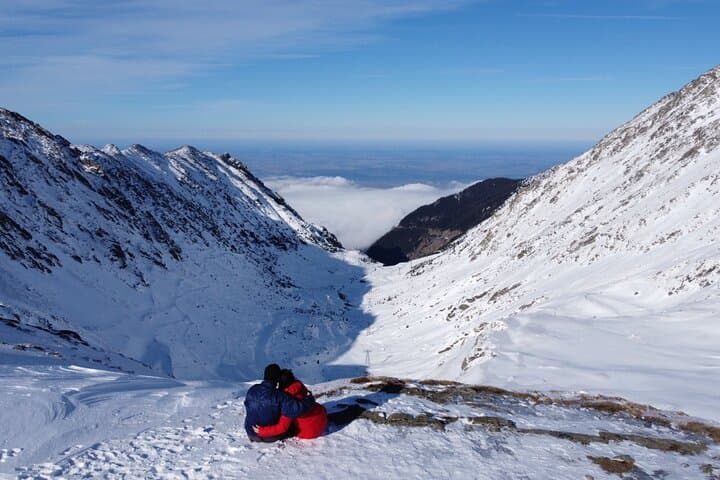
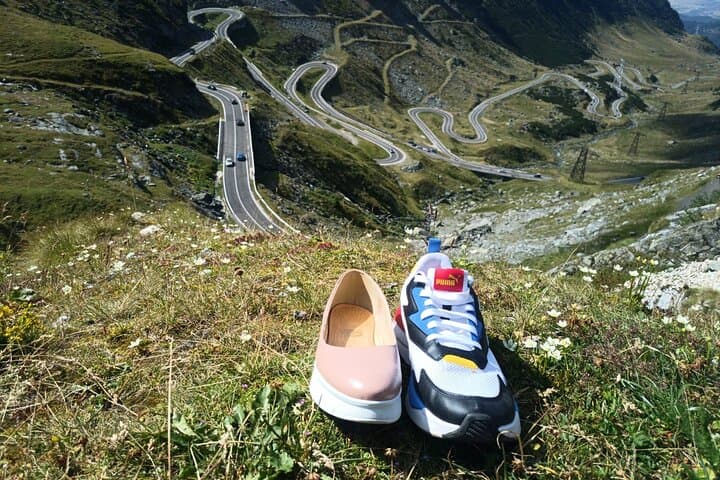
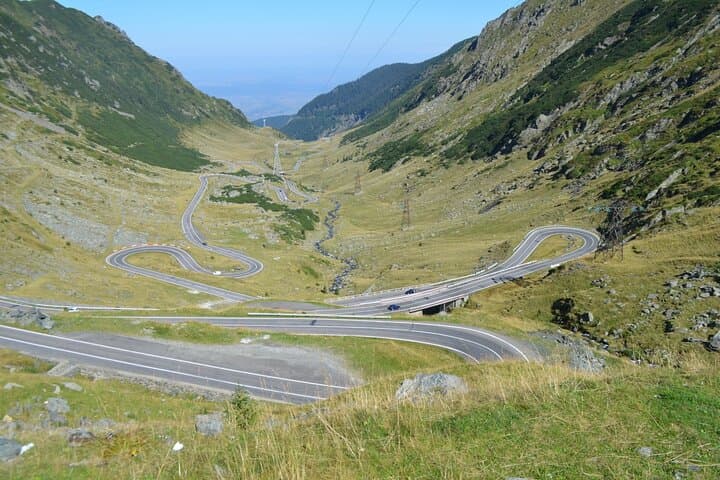
The road arrives before the view does: a ribbon of asphalt that climbs and coils through high limestone teeth, then opens onto a glacial bowl where Balea Lake catches the sky.
Verified experiences and guided adventures in the surrounding area.
Operated by Welcome to Transylvania · Brașov, Brașov County
The road arrives before the view does: a ribbon of asphalt that climbs and coils through high limestone teeth, then opens onto a glacial bowl where Balea Lake catches the sky.
Driving the Transfagarasan is a paced sequence of exposures — hairpins that demand focus, sudden ledge-top lookouts and the hush of alpine meadows. Built in the 1970s as a strategic mountain link, the pass climbs above 2,040 m and slices through the Făgăraș range, Romania’s highest peaks. Geology here is raw: steep schists and granite outcrops carved by glaciers into cirques and sharp ridgelines; Balea itself sits in a classic cirque, roughly 360 m long and about 11 m deep.
Local culture along the route is rural and practical: shepherds’ cabins, chestnut forests in the valleys and small mountain hamlets where roadside stands sell cheese and smoked meats in summer. Wildlife can appear without warning — chamois bounding on scree, golden eagles circling thermals.
For travelers this is a day of contrasts: long seated stretches alternating with short walks to viewpoints and cascades. Expect high-altitude sun and fast-changing weather; the route is fully open only in warmer months (roughly mid-June to mid-November). Facilities are limited above the tree line — pack water and snacks, and give yourself time for slow photo stops and a short trail to the lake shore.
Whether you’re a panorama hunter or a road-trip pragmatist, the Transfagarasan delivers concentrated alpine drama with straightforward logistics: plan for a full day from Brașov, check road status, and take layers — the pass rewards patience as much as the drive.
moderate.
7 hours.
Basic fitness fine for walking short viewpoints and gentle shore paths; expect some standing and short uphill strolls at altitude.
The high pass is typically open from mid-June to mid-November, subject to snow and maintenance; always check local road reports before traveling.
A guided or self-drive day trip is commonly 6–8 hours including stops; driving time depends on how often you stop for viewpoints and short walks.
Yes — short shore walks and trails to nearby waterfalls and ridgelines are accessible; longer alpine hikes require proper gear and navigation experience.
Bring some cash for small stalls and parking; larger services in towns accept cards but facilities at altitude can be cash-only.
The Transfagarasan was constructed in the 1970s as a strategic military road across the Făgăraș Mountains and later became an iconic scenic route.
High alpine vegetation is fragile and erosion-prone; stick to parking areas and trails, pack out waste and respect seasonal closures to reduce impact.
Welcome to Transylvania operates guided outdoor trips and adventures with an emphasis on safety, stewardship, and memorable experiences.

The road arrives before the view does: a ribbon of asphalt that climbs and coils through high limestone teeth, then opens onto a glacial bowl where Balea Lake catches the sky.
The road arrives before the view does: a ribbon of asphalt that climbs and coils through high limestone teeth, then opens onto a glacial bowl where Balea Lake catches the sky.
Driving the Transfagarasan is a paced sequence of exposures — hairpins that demand focus, sudden ledge-top lookouts and the hush of alpine meadows. Built in the 1970s as a strategic mountain link, the pass climbs above 2,040 m and slices through the Făgăraș range, Romania’s highest peaks. Geology here is raw: steep schists and granite outcrops carved by glaciers into cirques and sharp ridgelines; Balea itself sits in a classic cirque, roughly 360 m long and about 11 m deep.
Local culture along the route is rural and practical: shepherds’ cabins, chestnut forests in the valleys and small mountain hamlets where roadside stands sell cheese and smoked meats in summer. Wildlife can appear without warning — chamois bounding on scree, golden eagles circling thermals.
For travelers this is a day of contrasts: long seated stretches alternating with short walks to viewpoints and cascades. Expect high-altitude sun and fast-changing weather; the route is fully open only in warmer months (roughly mid-June to mid-November). Facilities are limited above the tree line — pack water and snacks, and give yourself time for slow photo stops and a short trail to the lake shore.
Whether you’re a panorama hunter or a road-trip pragmatist, the Transfagarasan delivers concentrated alpine drama with straightforward logistics: plan for a full day from Brașov, check road status, and take layers — the pass rewards patience as much as the drive.