THE ADVENTURE COLLECTIVE® · Independent discovery and booking for outdoor travel

Drive one of the world’s most dramatic roads on a small-group day tour from Bucharest. Visit Curtea de Argeș Monastery, Vidraru Dam, Poenari Fortress (viewed from below), Balea Lake and Capra Waterfall while enjoying alpine vistas and short on-foot stops.
Drive one of the world’s most dramatic roads on a small-group day tour from Bucharest. Visit Curtea de Argeș Monastery, Vidraru Dam, Poenari Fortress (viewed from below), Balea Lake and Capra Waterfall while enjoying alpine vistas and short on-foot stops.
The road climbs like a ribbon through the Făgăraș Mountains, metal guardrails clinging to sheer drop-offs while pines lean toward the valley as if to gossip. On a clear morning the Transfăgărășan stretches ahead—tight hairpins, sweeping vistas, and the high, glacial hush around Balea Lake at over 2,000 m.
Verified experiences and guided adventures in the surrounding area.
Operated by Supplier · Bucharest, Argeș
The road climbs like a ribbon through the Făgăraș Mountains, metal guardrails clinging to sheer drop-offs while pines lean toward the valley as if to gossip. On a clear morning the Transfăgărășan stretches ahead—tight hairpins, sweeping vistas, and the high, glacial hush around Balea Lake at over 2,000 m.
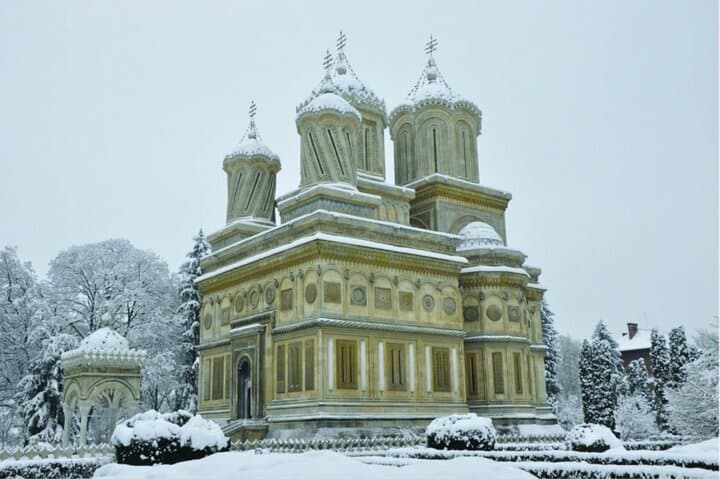
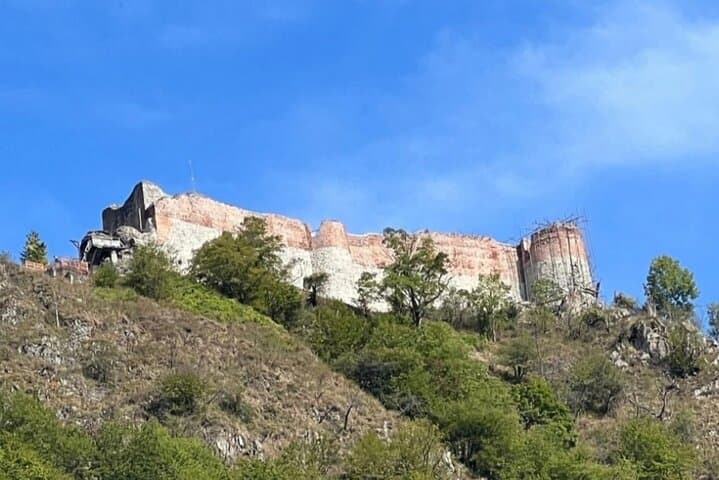
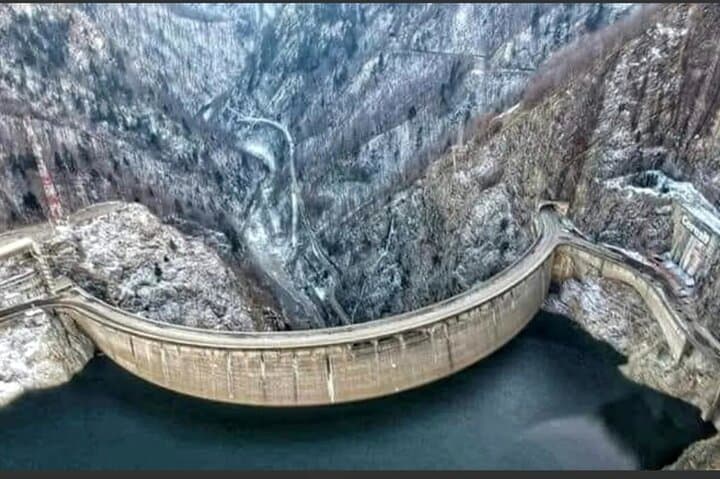
This route was carved during the 1970s as a strategic link across the Carpathians; beneath the asphalt are older stories—medieval strongholds, shepherding traditions, and hydro-engineering ambition visible at Vidraru Dam, a 1966 arch dam holding a dark, reflective lake. Poenari Fortress perches above, its ruined walls speaking of medieval defense and the shadow of Vlad Țepeș. Curtea de Argeș Monastery anchors the day with ornate stonework and royal tombs that echo Romania’s cultural history.
Geology here is alpine: folded metamorphic rock, steep cirques, and glacial basins that feed waterfalls like Capra. Expect microclimates—sunlit valleys and sudden mountain fog—so the air feels like a companion that shifts its mood.
Practically: this is a full-day, road-based excursion leaving from Bucharest. Most time is spent driving between short stops—viewing platforms, easy walks to waterfalls, and photo breaks at Vidraru and Balea. Balea Lake is seasonally accessible (summer–early autumn); in winter the road is closed. Bring layered clothing, sturdy shoes for short trail sections, and water; the altitude and sun combine to dry you out quickly. If you want a closer look at Poenari, be ready for a steep stair climb to its gate—otherwise the viewpoint is impressive on its own.
easy.
12 hours.
Suitable for general fitness; involves short easy walks and standing at viewpoints—no long hikes required
This is a full-day (about 12-hour) small-group tour departing from Bucharest with pickup from Piața 21 Decembrie 1989.
No—this tour views Poenari from below; accessing the interior requires climbing over 1,400 steps and is not part of the itinerary.
Balea Lake and the Transfăgărășan are usually open in summer to early autumn; heavy snow closes the pass in winter and spring.
The tour is primarily road-based with short stops; it’s generally suitable for children over the minimum age and those who can board the vehicle and manage short walks, but steep or uneven viewpoints may be challenging.
The Transfăgărășan was a 1970s state-funded project meant to improve internal access across the Carpathians; nearby Poenari ties back to medieval Wallachian defense and Vlad Țepeș.
Higher-traffic seasons stress fragile alpine vegetation—stick to trails, avoid off-road parking, and carry out all waste to protect subalpine habitats.
Supplier operates guided outdoor trips and adventures with an emphasis on safety, stewardship, and memorable experiences.
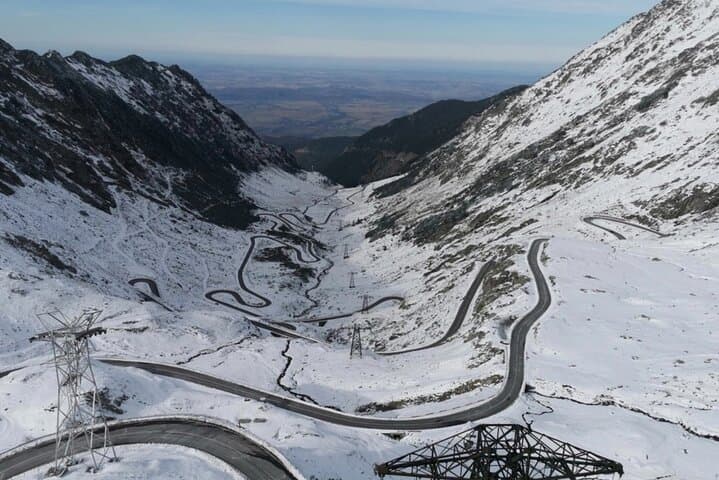
The road climbs like a ribbon through the Făgăraș Mountains, metal guardrails clinging to sheer drop-offs while pines lean toward the valley as if to gossip. On a clear morning the Transfăgărășan stretches ahead—tight hairpins, sweeping vistas, and the high, glacial hush around Balea Lake at over 2,000 m.
The road climbs like a ribbon through the Făgăraș Mountains, metal guardrails clinging to sheer drop-offs while pines lean toward the valley as if to gossip. On a clear morning the Transfăgărășan stretches ahead—tight hairpins, sweeping vistas, and the high, glacial hush around Balea Lake at over 2,000 m.
This route was carved during the 1970s as a strategic link across the Carpathians; beneath the asphalt are older stories—medieval strongholds, shepherding traditions, and hydro-engineering ambition visible at Vidraru Dam, a 1966 arch dam holding a dark, reflective lake. Poenari Fortress perches above, its ruined walls speaking of medieval defense and the shadow of Vlad Țepeș. Curtea de Argeș Monastery anchors the day with ornate stonework and royal tombs that echo Romania’s cultural history.
Geology here is alpine: folded metamorphic rock, steep cirques, and glacial basins that feed waterfalls like Capra. Expect microclimates—sunlit valleys and sudden mountain fog—so the air feels like a companion that shifts its mood.
Practically: this is a full-day, road-based excursion leaving from Bucharest. Most time is spent driving between short stops—viewing platforms, easy walks to waterfalls, and photo breaks at Vidraru and Balea. Balea Lake is seasonally accessible (summer–early autumn); in winter the road is closed. Bring layered clothing, sturdy shoes for short trail sections, and water; the altitude and sun combine to dry you out quickly. If you want a closer look at Poenari, be ready for a steep stair climb to its gate—otherwise the viewpoint is impressive on its own.