THE ADVENTURE COLLECTIVE® · Independent discovery and booking for outdoor travel

A full-day loop from Bucharest across the high Fagaras, the Transfagarasan Road links Balea Lake, Vidraru Dam and the cliff-top ruins of Poienari. Expect alpine weather, steep steps and dramatic viewpoints on this historically rich route.
A full-day loop from Bucharest across the high Fagaras, the Transfagarasan Road links Balea Lake, Vidraru Dam and the cliff-top ruins of Poienari. Expect alpine weather, steep steps and dramatic viewpoints on this historically rich route.
The day begins before dawn in Bucharest, the city lights shrinking in the rearview as the road climbs toward a high alpine spine. Wind and stone replace urban hum; the Transfagarasan carves switchbacks up through fir forest and scree, and by mid-morning the group stands beside Balea Lake where wind pulls at jacket hoods and clouds roll off the Fagaras ridgeline.
Verified experiences and guided adventures in the surrounding area.
Operated by Voyager Turism · Balea Lake, Sibiu County
The day begins before dawn in Bucharest, the city lights shrinking in the rearview as the road climbs toward a high alpine spine. Wind and stone replace urban hum; the Transfagarasan carves switchbacks up through fir forest and scree, and by mid-morning the group stands beside Balea Lake where wind pulls at jacket hoods and clouds roll off the Fagaras ridgeline.
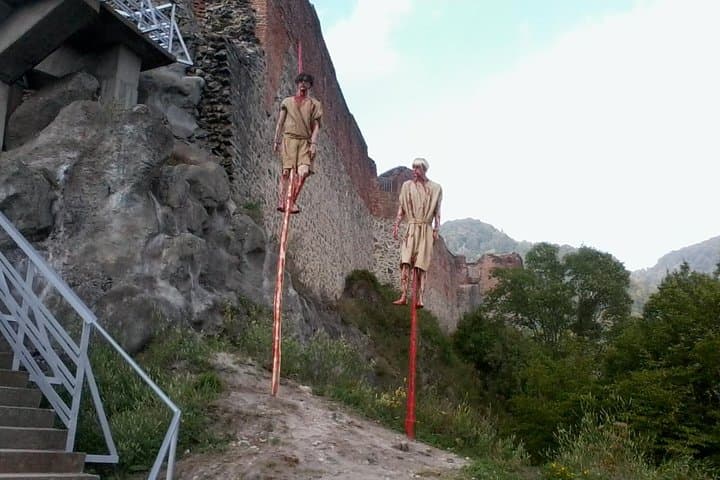
These mountains form Romania’s highest range: the Fagaras peaks rise to Moldoveanu (2,544 m) and the road itself threads glacial valleys sculpted during the last Ice Age. The itinerary links contrasting pieces of regional history — Fagaras Fortress, a medieval stronghold later used as a political prison; Poienari, the crumbling cliff fortress tied to Vlad Țepeș and reached by 1,450 stone steps; and Vidraru Dam, a mid-20th-century hydroelectric project spanning a deep canyon.
Expect rugged alpine weather, broad lookout points and short, steep climbs rather than long technical hikes. The Transfagarasan is best appreciated slowly: stop for the lake, scan the slopes for chamois, then descend to Vidraru for the dam viewpoint. The Poienari ascent is exposed and strenuous — allow 45–60 minutes to climb and descend at a steady pace.
Practical guidance: dress in layers, bring waterproof shell and warm midlayer, and use sturdy shoes for uneven steps. Carry at least 1–1.5 liters of water and snacks for the drive; camera batteries drain fast in cold air. Tours are full-day (about 12 hours) with substantial driving; check road openings before booking because the high passes close in winter and early spring.
moderate.
12 hours.
Moderate fitness recommended—able to handle long vehicle transfers and steep stair climbs; not suitable for those with serious cardiovascular issues.
No. The high sections (including Balea Lake) are typically closed in winter and reopen late spring to early summer depending on snow clearance; check local road status before booking.
The climb is steep: about 1,450 steps with exposed sections and uneven stone; it takes most people 45–60 minutes each way at a steady pace.
This day trip usually includes bottled water and transport; independent entrance fees to some attractions and meals are typically not included—confirm with the operator.
Children may join but the Poienari climb and some uneven alpine terrain make it unsuitable for guests with limited mobility; infants should be in a carrier rather than a stroller on steep sections.
Poienari is linked in local lore to Vlad Țepeș (Vlad the Impaler); Fagaras Fortress served as a princely residence and later a political prison in the 20th century.
The high-alpine flora is fragile and trails are susceptible to erosion; stay on established paths, pack out waste and respect seasonal closures to protect breeding wildlife.
Voyager Turism operates guided outdoor trips and adventures with an emphasis on safety, stewardship, and memorable experiences.


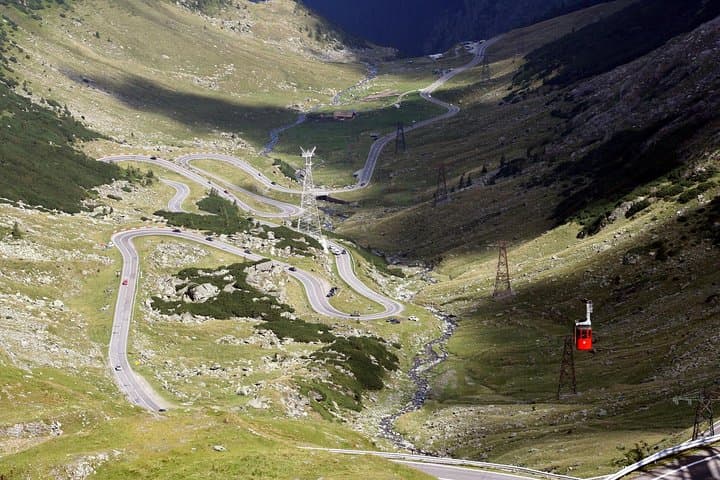
The day begins before dawn in Bucharest, the city lights shrinking in the rearview as the road climbs toward a high alpine spine. Wind and stone replace urban hum; the Transfagarasan carves switchbacks up through fir forest and scree, and by mid-morning the group stands beside Balea Lake where wind pulls at jacket hoods and clouds roll off the Fagaras ridgeline.
The day begins before dawn in Bucharest, the city lights shrinking in the rearview as the road climbs toward a high alpine spine. Wind and stone replace urban hum; the Transfagarasan carves switchbacks up through fir forest and scree, and by mid-morning the group stands beside Balea Lake where wind pulls at jacket hoods and clouds roll off the Fagaras ridgeline.
These mountains form Romania’s highest range: the Fagaras peaks rise to Moldoveanu (2,544 m) and the road itself threads glacial valleys sculpted during the last Ice Age. The itinerary links contrasting pieces of regional history — Fagaras Fortress, a medieval stronghold later used as a political prison; Poienari, the crumbling cliff fortress tied to Vlad Țepeș and reached by 1,450 stone steps; and Vidraru Dam, a mid-20th-century hydroelectric project spanning a deep canyon.
Expect rugged alpine weather, broad lookout points and short, steep climbs rather than long technical hikes. The Transfagarasan is best appreciated slowly: stop for the lake, scan the slopes for chamois, then descend to Vidraru for the dam viewpoint. The Poienari ascent is exposed and strenuous — allow 45–60 minutes to climb and descend at a steady pace.
Practical guidance: dress in layers, bring waterproof shell and warm midlayer, and use sturdy shoes for uneven steps. Carry at least 1–1.5 liters of water and snacks for the drive; camera batteries drain fast in cold air. Tours are full-day (about 12 hours) with substantial driving; check road openings before booking because the high passes close in winter and early spring.