THE ADVENTURE COLLECTIVE® · Independent discovery and booking for outdoor travel

Leave Bucharest for a full‑day private tour that pairs the cliff‑top ruins of Poenari and the royal court at Târgovişte with the dramatic Transfagarasan Highway. Expect steep stairs, high‑altitude views, and a mix of medieval history and 20th‑century engineering.
Leave Bucharest for a full‑day private tour that pairs the cliff‑top ruins of Poenari and the royal court at Târgovişte with the dramatic Transfagarasan Highway. Expect steep stairs, high‑altitude views, and a mix of medieval history and 20th‑century engineering.
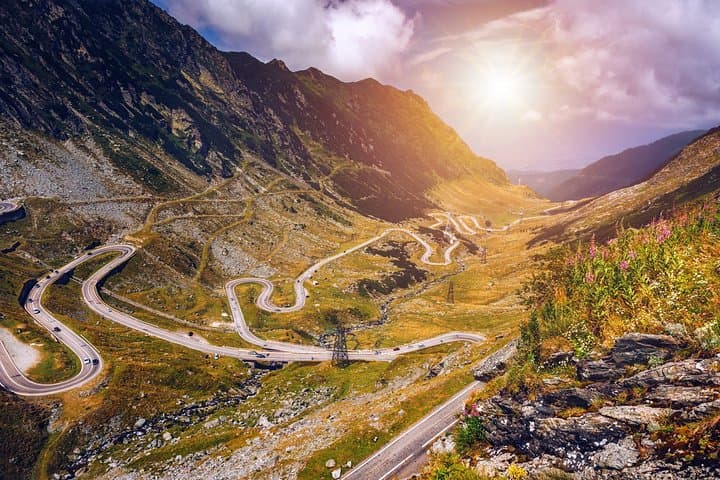
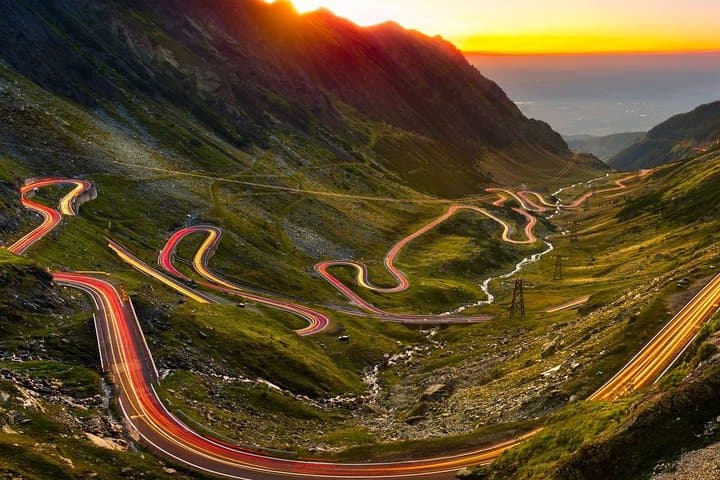
A morning mist lifts off the Argeș Valley as the minivan wheels out of Bucharest, the city giving way to folded hills and then the raw spine of the Făgăraș Mountains. The road grows narrower, the air colder, and soon the Transfagarasan’s switchbacks appear—an engineered ribbon daring you to follow it up into the clouds.
Verified experiences and guided adventures in the surrounding area.
Operated by Trip2Ro · Bucharest, Bucharest
A morning mist lifts off the Argeș Valley as the minivan wheels out of Bucharest, the city giving way to folded hills and then the raw spine of the Făgăraș Mountains. The road grows narrower, the air colder, and soon the Transfagarasan’s switchbacks appear—an engineered ribbon daring you to follow it up into the clouds.
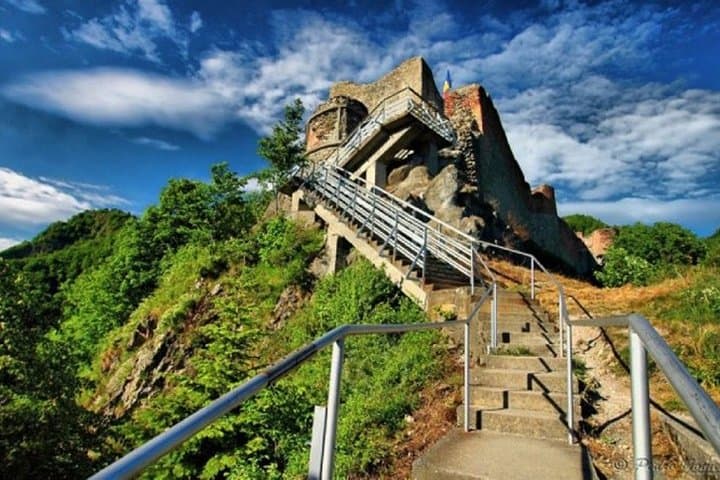
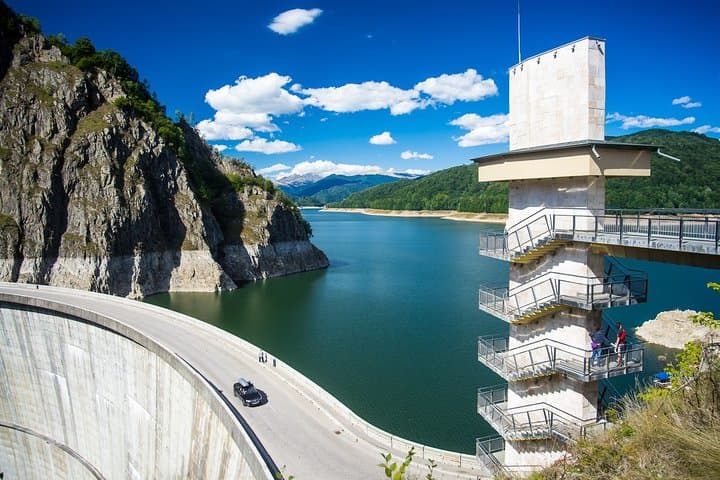
This day trip threads history and geology. Târgovişte’s Princely Court and Chindia Tower recall 15th‑century Wallachia, where Vlad Ţepeş ruled from a fortified seat and stamped his reputation into local memory. Poenari Fortress—Vlad’s cliff‑top stronghold—clings to volcanic rock above the Argeș River; reaching it means a steep climb of roughly 1,400 steps and a sense of how terrain dictated defense. The modern landmark of Vidraru Dam speaks to mid‑20th‑century engineering, holding back waters that carved new shorelines below.
Expect panoramic overlooks, sharp alpine air at higher elevations, and short periods of walking at each stop rather than long hikes. The Transfagarasan is closed seasonally; when open, the road rewards with hairpin drama and high‑altitude viewpoints around Balea Lake.
Practical guidance: start early to avoid crowds and afternoon weather, wear sturdy shoes for the Poenari ascent, and carry water and layers—the temperature can drop quickly above 1,800–2,000 m. If you’re prone to motion sickness, prepare for long winding driving. Hotel pickup and drop‑off are included; admissions for listed sites are typically handled by your guide but confirm at booking. With a private guide and a full day on the road, this is a compact but active way to connect Romania’s landscape and its darker history.
moderate.
6–7 hours.
Comfortable for most people who can manage a long day of vehicle travel plus a steep 1–2 hour stair climb; expect short walks at each stop.
Yes—this private tour includes hotel pickup and drop‑off within Bucharest; confirm your pickup point when booking.
No—the Transfagarasan is generally open from early July through late October; outside those months the itinerary substitutes lower‑altitude sites like Târgovişte.
Admissions for listed attractions are typically coordinated by the guide; bring some cash for incidental purchases, but major entrances are often handled within the tour price—confirm at booking.
Expect a steep, sustained climb of roughly 1,400 steps taking about an hour; it’s physically demanding but doable for anyone with reasonable fitness and mobility.
Poenari and Târgovişte were central to 15th‑century Wallachian rule under Vlad Ţepeş; Poenari was a fortified refuge built for strategic oversight of the Argeș valley.
High‑altitude pastures and fragile roadside ecosystems are susceptible to erosion and litter; stay on paths, pack out waste, and follow local guidance to reduce impact.
Trip2Ro operates guided outdoor trips and adventures with an emphasis on safety, stewardship, and memorable experiences.
A morning mist lifts off the Argeș Valley as the minivan wheels out of Bucharest, the city giving way to folded hills and then the raw spine of the Făgăraș Mountains. The road grows narrower, the air colder, and soon the Transfagarasan’s switchbacks appear—an engineered ribbon daring you to follow it up into the clouds.
A morning mist lifts off the Argeș Valley as the minivan wheels out of Bucharest, the city giving way to folded hills and then the raw spine of the Făgăraș Mountains. The road grows narrower, the air colder, and soon the Transfagarasan’s switchbacks appear—an engineered ribbon daring you to follow it up into the clouds.
This day trip threads history and geology. Târgovişte’s Princely Court and Chindia Tower recall 15th‑century Wallachia, where Vlad Ţepeş ruled from a fortified seat and stamped his reputation into local memory. Poenari Fortress—Vlad’s cliff‑top stronghold—clings to volcanic rock above the Argeș River; reaching it means a steep climb of roughly 1,400 steps and a sense of how terrain dictated defense. The modern landmark of Vidraru Dam speaks to mid‑20th‑century engineering, holding back waters that carved new shorelines below.
Expect panoramic overlooks, sharp alpine air at higher elevations, and short periods of walking at each stop rather than long hikes. The Transfagarasan is closed seasonally; when open, the road rewards with hairpin drama and high‑altitude viewpoints around Balea Lake.
Practical guidance: start early to avoid crowds and afternoon weather, wear sturdy shoes for the Poenari ascent, and carry water and layers—the temperature can drop quickly above 1,800–2,000 m. If you’re prone to motion sickness, prepare for long winding driving. Hotel pickup and drop‑off are included; admissions for listed sites are typically handled by your guide but confirm at booking. With a private guide and a full day on the road, this is a compact but active way to connect Romania’s landscape and its darker history.