THE ADVENTURE COLLECTIVE® · Independent discovery and booking for outdoor travel

Drive one of Romania’s most dramatic high mountain roads and visit the medieval Carta Abbey on a private day trip from Sibiu. Expect high-altitude viewpoints, a glacial lake, a waterfall, and a compact cultural stop on the way back.
Drive one of Romania’s most dramatic high mountain roads and visit the medieval Carta Abbey on a private day trip from Sibiu. Expect high-altitude viewpoints, a glacial lake, a waterfall, and a compact cultural stop on the way back.
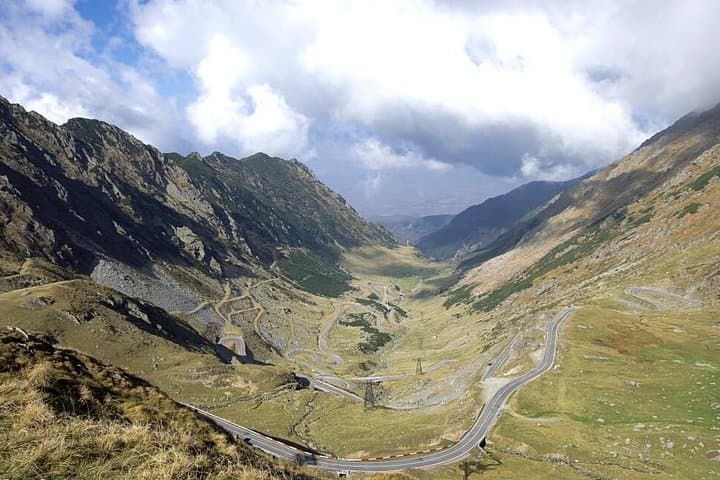
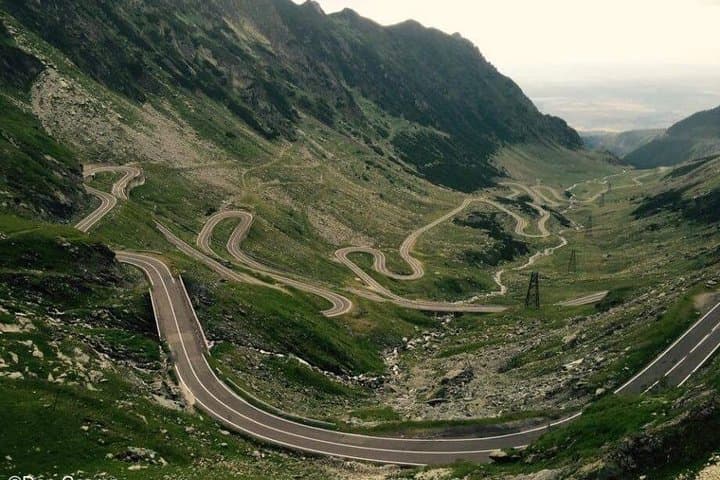
The road rises before you—an engineered ribbon cutting through crag and sky—with hairpins that climb to more than 2,000 meters and views that demand a slow look.
Verified experiences and guided adventures in the surrounding area.
Operated by Uncover Romania Tours · Sibiu, Sibiu County
The road rises before you—an engineered ribbon cutting through crag and sky—with hairpins that climb to more than 2,000 meters and views that demand a slow look.
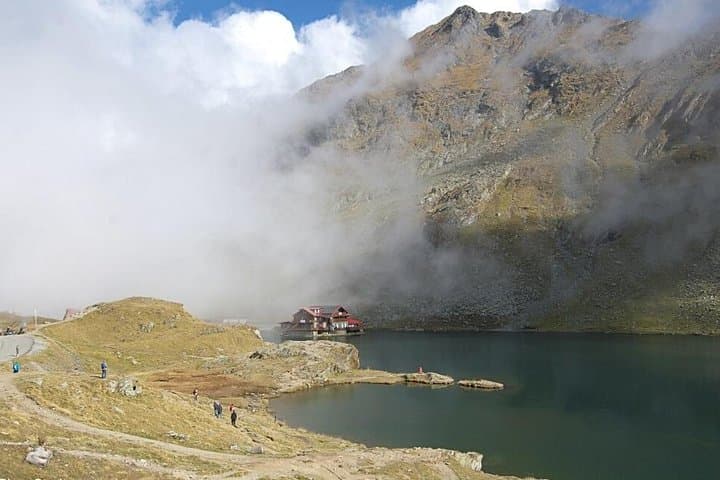
Start the day in Sibiu and feel the car climb the Transfagarasan, the asphalt turning into a spine across the Făgăraș range. The wind pushes at the ridges; the gullies hold cold air and the high road dares you to keep watch over the valley below. At Balea Lake, the glacial basin sits like a cold bowl, its water reflecting sharp peaks; nearby, Capra Waterfall drops from the moraine with patient force.
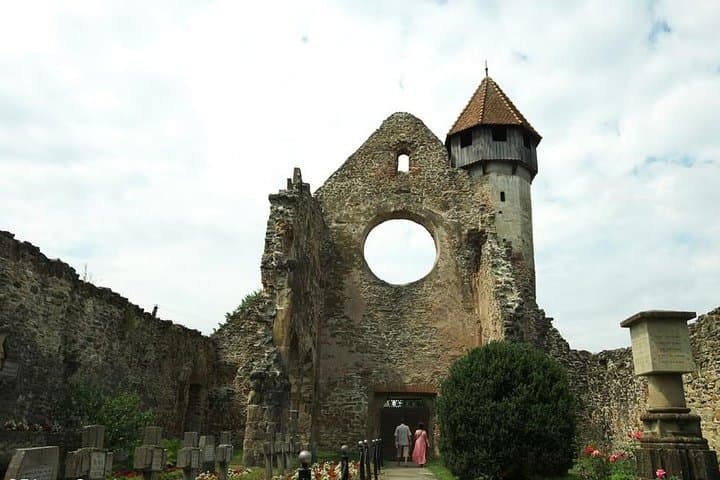
The Transfagarasan was built in the 1970s as a strategic mountain crossing during Romania’s communist era and has since become a showcase of alpine geology: glacial cirques, steep limestone faces, and moraine-strewn basins shaped over millennia. On the return, the ruins of Carta Abbey—one of Romania’s few Cistercian monuments—open a door to medieval Transylvania and its shifting cultural borders.
Plan for quick walks to viewpoints and a short, uneven stroll among the abbey ruins. The road is seasonal—typically open late spring to early autumn—so check conditions before you go. Dress in layers: temperatures can drop sharply above 2,000 m and winds intensify on exposed sections. Bring water and sturdy shoes for rocky viewpoints; your private vehicle handles the driving but expect brief stops for photographs and short hikes.
This day trip pairs high-alpine spectacle with medieval atmosphere—easy on fitness but rich in scenery and history.
easy.
7 hours.
Basic fitness—mostly seated travel with short walks to viewpoints and ruins; suitable for most adults and older children.
The high Transfagarasan typically opens in late spring and closes in late autumn due to snow; exact dates vary yearly—check local road reports before travel.
Yes—this private tour involves mostly vehicle travel with short, easy walks; children should be supervised at viewpoints and near water.
The highest point is around 2,040 m; most people experience little to no altitude sickness, but light-headedness can occur—move slowly and hydrate.
The tour includes transport and guide; any seasonal facilities or optional entry fees at sites (if applicable) are usually paid locally—confirm with your operator.
Transfagarasan was carved in the 1970s as a strategic military route; Carta Abbey traces its Cistercian roots back to the medieval 13th century.
Alpine plants and fragile moraine habitats recover slowly; stick to paths, carry out waste, and avoid trampling vegetation around the lake.
Uncover Romania Tours operates guided outdoor trips and adventures with an emphasis on safety, stewardship, and memorable experiences.
The road rises before you—an engineered ribbon cutting through crag and sky—with hairpins that climb to more than 2,000 meters and views that demand a slow look.
The road rises before you—an engineered ribbon cutting through crag and sky—with hairpins that climb to more than 2,000 meters and views that demand a slow look.
Start the day in Sibiu and feel the car climb the Transfagarasan, the asphalt turning into a spine across the Făgăraș range. The wind pushes at the ridges; the gullies hold cold air and the high road dares you to keep watch over the valley below. At Balea Lake, the glacial basin sits like a cold bowl, its water reflecting sharp peaks; nearby, Capra Waterfall drops from the moraine with patient force.
The Transfagarasan was built in the 1970s as a strategic mountain crossing during Romania’s communist era and has since become a showcase of alpine geology: glacial cirques, steep limestone faces, and moraine-strewn basins shaped over millennia. On the return, the ruins of Carta Abbey—one of Romania’s few Cistercian monuments—open a door to medieval Transylvania and its shifting cultural borders.
Plan for quick walks to viewpoints and a short, uneven stroll among the abbey ruins. The road is seasonal—typically open late spring to early autumn—so check conditions before you go. Dress in layers: temperatures can drop sharply above 2,000 m and winds intensify on exposed sections. Bring water and sturdy shoes for rocky viewpoints; your private vehicle handles the driving but expect brief stops for photographs and short hikes.
This day trip pairs high-alpine spectacle with medieval atmosphere—easy on fitness but rich in scenery and history.