THE ADVENTURE COLLECTIVE® · Independent discovery and booking for outdoor travel

A four-day road tour from Bucharest following the dramatic Transfagarasan mountain pass through Făgăraș peaks, Saxon villages and medieval towns. Expect hairpin turns, alpine lakes, fortified churches and a mix of geology and history on this summer-only route.
A four-day road tour from Bucharest following the dramatic Transfagarasan mountain pass through Făgăraș peaks, Saxon villages and medieval towns. Expect hairpin turns, alpine lakes, fortified churches and a mix of geology and history on this summer-only route.
You climb out of Bucharest and, within hours, the lowlands fall away: hairpins tighten, the asphalt threads between granite ribs, and the wind down the valley seems to push you onward.
Verified experiences and guided adventures in the surrounding area.
Operated by Transylvanian Tours · Bucharest, Bucharest
You climb out of Bucharest and, within hours, the lowlands fall away: hairpins tighten, the asphalt threads between granite ribs, and the wind down the valley seems to push you onward.
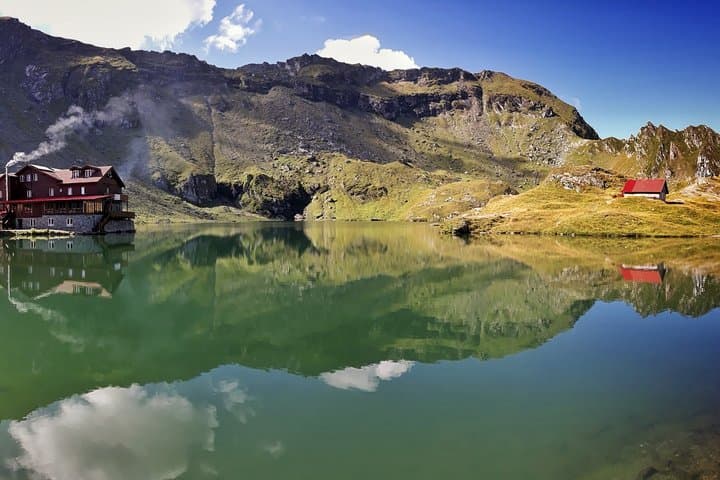
The Transfagarasan road was built on Ceausescu’s order in the late 1960s as a strategic military link; today it serves a different purpose—opening a curtain on Făgăraș’s jagged spine. Geology here is blunt and visible: schist and granite cliffs, glacial cirques, and moraines that hold high-altitude lakes like Bâlea, which sits above the treeline at about 2,034 m.
Culturally the route stitches together Saxon villages, fortified churches and medieval towns—Sibiu, Sighișoara and Biertan—each with layers of Germanic, Romanian and Hungarian history visible in stonework and street plans. Visit Cârța Abbey for a quieter counterpoint to the road’s drama and take a village lunch in Viscri to taste slow-food traditions.
Practical guidance: the tour runs in fair weather—late spring to early autumn—when the road is open. Expect long driving days punctuated by short walking stops; bring sturdy shoes if you want to explore trails from lay-bys. Elevation changes are sharp—hydrate and pace yourself at high viewpoints. Weather can swing from sun to sudden wind and rain, so layered clothing is necessary.
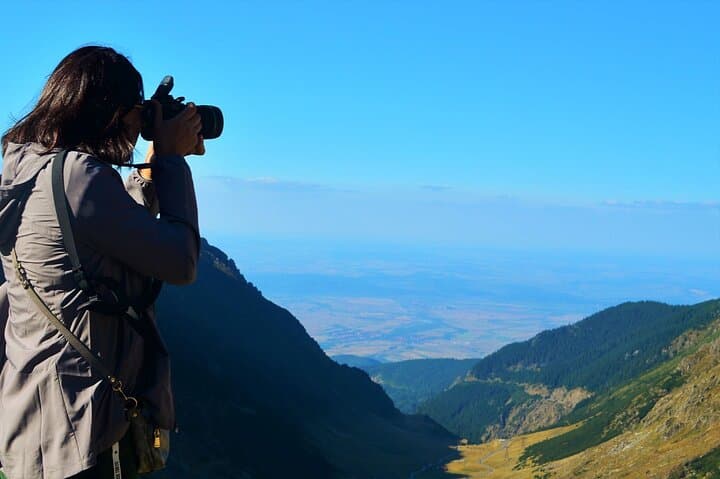
Plan accommodations in Sibiu, Sighișoara or Brașov to break the drives, carry cash for smaller village shops, and allow extra time for photo stops—the road invites them.
moderate.
4 days.
Moderate fitness: able to handle several hours of walking over uneven ground and multiple long driving days.
The road generally opens in late spring and closes in autumn depending on snowfall and maintenance; check local Romanian road authorities for current status.
Expect several multi-hour driving segments each day with short stops—if long drives are uncomfortable, plan extra nights in Sibiu or Brașov to break up the itinerary.
Admissions are typically included for the listed sites on the itinerary, but verify specifics with the operator and carry cash for smaller sites.
Guides and staff on organized tours commonly speak English; in rural villages, basic English may be limited—learn a few Romanian phrases or travel with a guide.
The Transfagarasan was constructed under Nicolae Ceaușescu in the late 1960s as a strategic military route; the region’s Saxon settlers shaped many fortified churches and towns that remain today.
High-altitude meadows are fragile—stay on roads and marked paths, avoid leaving waste and support local guesthouses to encourage sustainable tourism.
Transylvanian Tours operates guided outdoor trips and adventures with an emphasis on safety, stewardship, and memorable experiences.
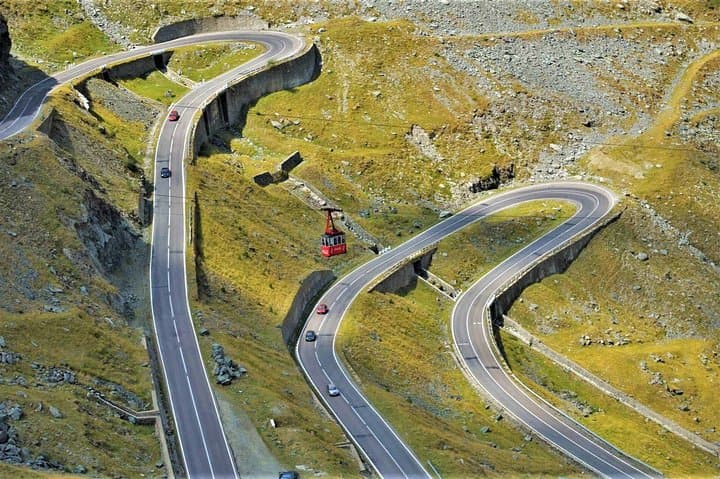
You climb out of Bucharest and, within hours, the lowlands fall away: hairpins tighten, the asphalt threads between granite ribs, and the wind down the valley seems to push you onward.
You climb out of Bucharest and, within hours, the lowlands fall away: hairpins tighten, the asphalt threads between granite ribs, and the wind down the valley seems to push you onward.
The Transfagarasan road was built on Ceausescu’s order in the late 1960s as a strategic military link; today it serves a different purpose—opening a curtain on Făgăraș’s jagged spine. Geology here is blunt and visible: schist and granite cliffs, glacial cirques, and moraines that hold high-altitude lakes like Bâlea, which sits above the treeline at about 2,034 m.
Culturally the route stitches together Saxon villages, fortified churches and medieval towns—Sibiu, Sighișoara and Biertan—each with layers of Germanic, Romanian and Hungarian history visible in stonework and street plans. Visit Cârța Abbey for a quieter counterpoint to the road’s drama and take a village lunch in Viscri to taste slow-food traditions.
Practical guidance: the tour runs in fair weather—late spring to early autumn—when the road is open. Expect long driving days punctuated by short walking stops; bring sturdy shoes if you want to explore trails from lay-bys. Elevation changes are sharp—hydrate and pace yourself at high viewpoints. Weather can swing from sun to sudden wind and rain, so layered clothing is necessary.
Plan accommodations in Sibiu, Sighișoara or Brașov to break the drives, carry cash for smaller village shops, and allow extra time for photo stops—the road invites them.