THE ADVENTURE COLLECTIVE® · Independent discovery and booking for outdoor travel

Three days of mountain roads, ruined fortresses and cave chambers: this private tour links the Transfăgărășan and Transalpina with medieval Alba Iulia and Sibiu. Expect dramatic passes, short steep walks and flexible stops for photos and local culture.
Three days of mountain roads, ruined fortresses and cave chambers: this private tour links the Transfăgărășan and Transalpina with medieval Alba Iulia and Sibiu. Expect dramatic passes, short steep walks and flexible stops for photos and local culture.
You crest a black ribbon of pavement and the mountains answer back: cliffs lean in, clouds roll through hairpin turns, and the Vidraru reservoir churns like a mirror daring you to look deeper.
Verified experiences and guided adventures in the surrounding area.
Operated by Romania Private Guide · Curtea de Argeș, Argeș
You crest a black ribbon of pavement and the mountains answer back: cliffs lean in, clouds roll through hairpin turns, and the Vidraru reservoir churns like a mirror daring you to look deeper.
This three-day private road tour threads Romania’s most dramatic drives — the Transfăgărășan and Transalpina — with medieval strongholds and sacred monasteries. The route runs through the Southern Carpathians, carved from tectonic uplift and glaciation; granite ridges and limestone caves define the skyline while river valleys have long guided traders and armies. Culture here is layered: Dacian, Roman, medieval Wallachian and Saxon influences surface in Curtea de Argeș’s royal church, Poenari’s crumbling fortress associated with Vlad Țepeș, and Sibiu’s Germanic squares.
Expect a mix of driving and short, steep walks — Poenari’s stair climb and Vidraru’s overlook are sensory highlights. Polovragi Cave delivers cool, humid galleries and calcite formations; Horezu brings handcrafted ceramics and Orthodox art. Local inns serve hearty mămăligă and lamb, and the guide can adjust the pace for photography stops or longer village visits.
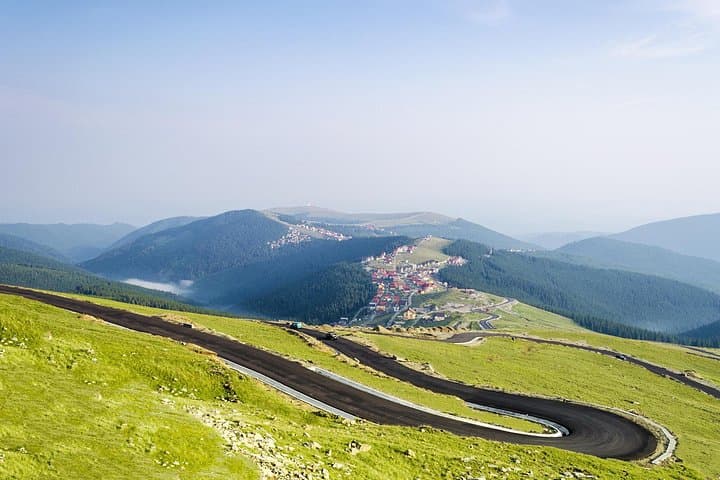
Practical edge: weather changes fast at higher passes — mornings can be clear and afternoons fogged. Roads are paved but narrow with sudden drops; summer is busiest, and Transalpina’s highest sections can still hold snow into late spring. Bring layered clothing, sturdy shoes for brief hikes, sunscreen, and a camera with spare battery. Plan for early departures to avoid traffic and maximize light for the passes. With private transport and an English-speaking driver-guide, this route balances cinematic scenery with manageable logistics — an efficient way to sample Romania’s mountain spine.
moderate.
3 days.
Low-to-moderate fitness required — mostly vehicle travel with short steep walks and stair climbs.
No — high sections often close in late autumn through spring due to snow; check local conditions before booking.
Most of the tour is by private car; expect short walks of 10–45 minutes at viewpoints, castle ruins and cave entrances, with some stairs.
Standard tour inclusions usually exclude entrance fees; confirm with the operator whether tickets are covered.
Yes — private tours typically offer flexibility to extend stops, skip sites or adjust timing based on weather and interest.
The roads trace ancient mountain crossings used since Roman and medieval times; Poenari is linked to 15th‑century ruler Vlad Țepeș, while Alba Iulia was a strategic Vauban-style fortress.
High-altitude ecosystems are fragile — stick to paved roads and marked paths, avoid littering, and support local businesses to keep tourism sustainable.
Romania Private Guide operates guided outdoor trips and adventures with an emphasis on safety, stewardship, and memorable experiences.
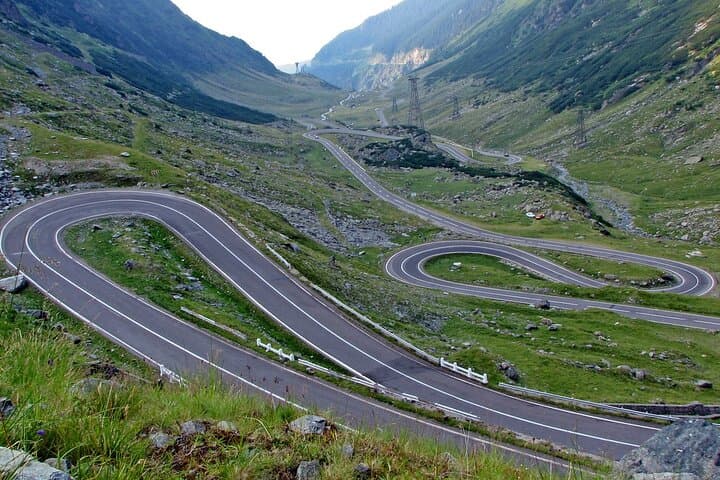
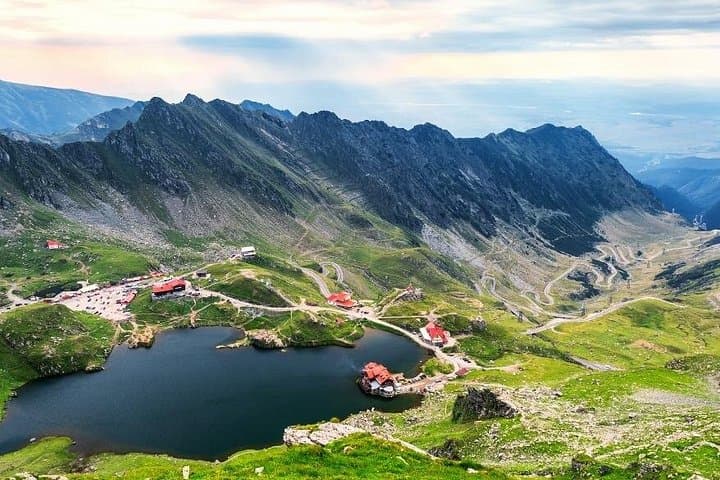
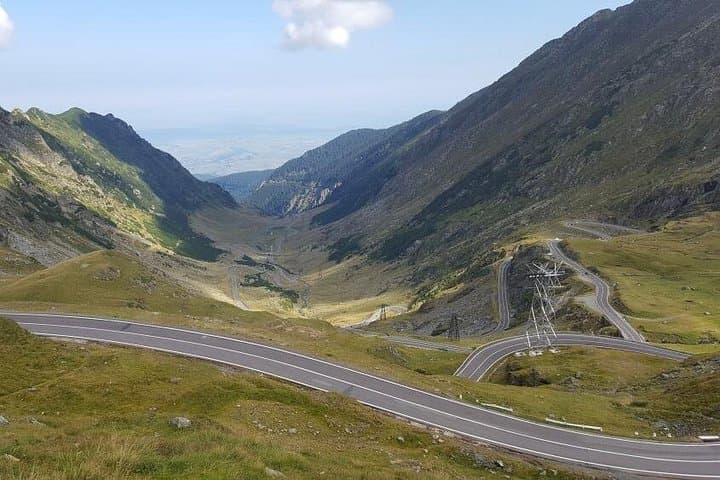
You crest a black ribbon of pavement and the mountains answer back: cliffs lean in, clouds roll through hairpin turns, and the Vidraru reservoir churns like a mirror daring you to look deeper.
You crest a black ribbon of pavement and the mountains answer back: cliffs lean in, clouds roll through hairpin turns, and the Vidraru reservoir churns like a mirror daring you to look deeper.
This three-day private road tour threads Romania’s most dramatic drives — the Transfăgărășan and Transalpina — with medieval strongholds and sacred monasteries. The route runs through the Southern Carpathians, carved from tectonic uplift and glaciation; granite ridges and limestone caves define the skyline while river valleys have long guided traders and armies. Culture here is layered: Dacian, Roman, medieval Wallachian and Saxon influences surface in Curtea de Argeș’s royal church, Poenari’s crumbling fortress associated with Vlad Țepeș, and Sibiu’s Germanic squares.
Expect a mix of driving and short, steep walks — Poenari’s stair climb and Vidraru’s overlook are sensory highlights. Polovragi Cave delivers cool, humid galleries and calcite formations; Horezu brings handcrafted ceramics and Orthodox art. Local inns serve hearty mămăligă and lamb, and the guide can adjust the pace for photography stops or longer village visits.
Practical edge: weather changes fast at higher passes — mornings can be clear and afternoons fogged. Roads are paved but narrow with sudden drops; summer is busiest, and Transalpina’s highest sections can still hold snow into late spring. Bring layered clothing, sturdy shoes for brief hikes, sunscreen, and a camera with spare battery. Plan for early departures to avoid traffic and maximize light for the passes. With private transport and an English-speaking driver-guide, this route balances cinematic scenery with manageable logistics — an efficient way to sample Romania’s mountain spine.