THE ADVENTURE COLLECTIVE® · Independent discovery and booking for outdoor travel

Drive one of the world’s most dramatic alpine roads on a small-group tour that links Poenari Fortress, Vidraru Dam and Bâlea Lake. Expect hairpin turns, high-altitude views and seasonal access to the glacial lake.
Drive one of the world’s most dramatic alpine roads on a small-group tour that links Poenari Fortress, Vidraru Dam and Bâlea Lake. Expect hairpin turns, high-altitude views and seasonal access to the glacial lake.
The road lifts you out of the lowlands and into stone: as the van climbs, pine-scented air compresses and the Transfăgărășan unfurls with a series of hairpins that dare you to look over the guardrail. You begin below Poenari Fortress—Vlad the Impaler’s 15th-century stronghold—seeing its craggy silhouette from the valley rather than climbing the 1,480 steps to the citadel.
Verified experiences and guided adventures in the surrounding area.
Operated by Supplier · Bâlea Lake, Argeș County
The road lifts you out of the lowlands and into stone: as the van climbs, pine-scented air compresses and the Transfăgărășan unfurls with a series of hairpins that dare you to look over the guardrail. You begin below Poenari Fortress—Vlad the Impaler’s 15th-century stronghold—seeing its craggy silhouette from the valley rather than climbing the 1,480 steps to the citadel.
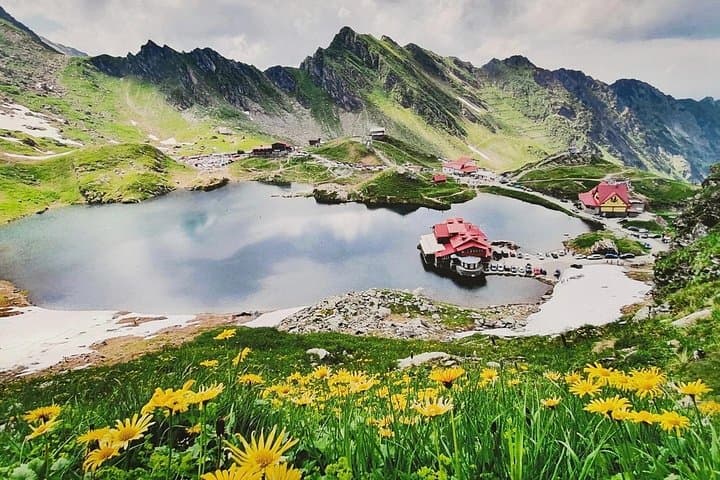
Engineering and ice share the route. Vidraru Dam, a 166-meter concrete arc, cuts a silver line across the reservoir and highlights Romania’s mid-20th-century drive for hydropower. Higher, the geology turns alpine: granite ribs and carved cirques formed by Pleistocene glaciers cradle Bâlea Lake at about 2,034 meters, where chill winds sharpen views and a small, seasonal settlement manages visitors.
Culture here is practical—mountain shepherding, preserved cheeses, cured pastrama and roadside stalls that sell jam and local spirits. In summer the road is open and lively; off-season the high pass sleeps and tours pivot to Curtea de Argeș and its royal necropolis.
Practical guidance: this is a long, full-day excursion (expect around 12 hours) with minimal strenuous hiking—most time is roadside viewing and short walks. Dress in layers; temperatures at the lake can be 15–20°C lower than Bucharest. Bring sturdy shoes for uneven shorelines and short trails, sunscreen for exposed viewpoints, and cash for mountain stalls. Expect narrow shoulders and photo stops; keep time windows in mind if you want a longer hike at Bâlea. With a small-group vehicle, you get quieter stops and more flexibility than large coaches—ideal for photographers and travelers who want alpine exposure without technical mountaineering.
moderate.
12 hours.
Suitable for most fitness levels; involves short uneven walks and standing at viewpoints—no technical fitness required
No, the high Transfăgărășan and Bâlea Lake access is typically open June–October; outside that window tours usually visit Curtea de Argeș instead.
This tour views Poenari Fortress from below; entering requires climbing a long stairway and is not included.
Bâlea Lake sits around 2,034 meters—most visitors tolerate it fine, but if you are sensitive to altitude bring extra water, move slowly, and inform the guide of any symptoms.
Basic facilities and mountain snack stalls exist at Bâlea and roadside stops; bring snacks for the drive as services are intermittent.
The route crosses historic Argeș landscapes; Poenari was fortified by Vlad the Impaler in the 15th century and Vidraru Dam was completed in 1966 as a major hydropower project.
Stay on established paths around the lake to limit erosion, and avoid feeding wildlife; local communities rely on sustainable grazing and low-impact tourism to protect the alpine environment.
Supplier operates guided outdoor trips and adventures with an emphasis on safety, stewardship, and memorable experiences.
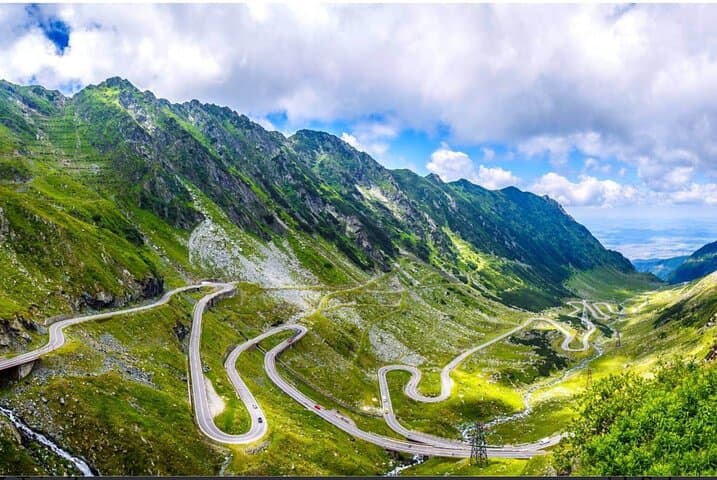
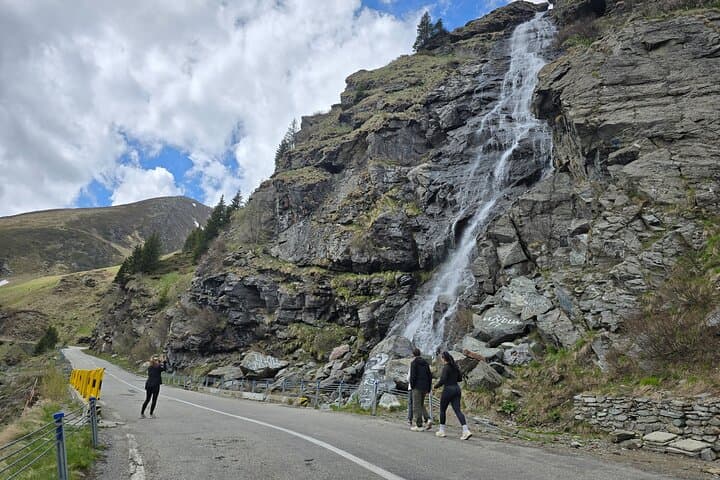
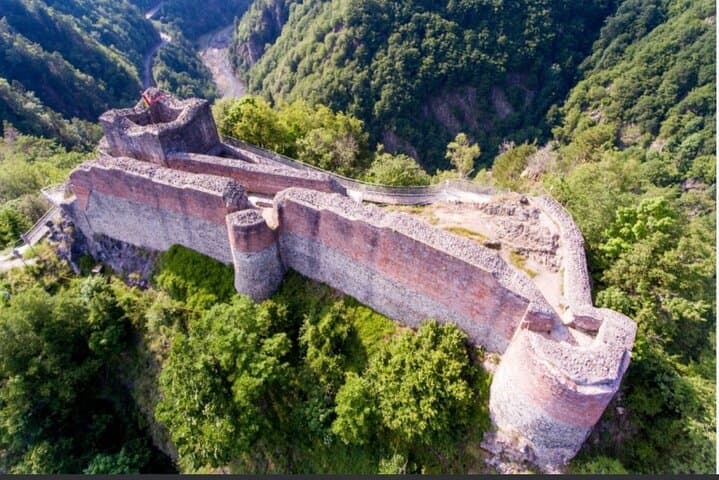
The road lifts you out of the lowlands and into stone: as the van climbs, pine-scented air compresses and the Transfăgărășan unfurls with a series of hairpins that dare you to look over the guardrail. You begin below Poenari Fortress—Vlad the Impaler’s 15th-century stronghold—seeing its craggy silhouette from the valley rather than climbing the 1,480 steps to the citadel.
The road lifts you out of the lowlands and into stone: as the van climbs, pine-scented air compresses and the Transfăgărășan unfurls with a series of hairpins that dare you to look over the guardrail. You begin below Poenari Fortress—Vlad the Impaler’s 15th-century stronghold—seeing its craggy silhouette from the valley rather than climbing the 1,480 steps to the citadel.
Engineering and ice share the route. Vidraru Dam, a 166-meter concrete arc, cuts a silver line across the reservoir and highlights Romania’s mid-20th-century drive for hydropower. Higher, the geology turns alpine: granite ribs and carved cirques formed by Pleistocene glaciers cradle Bâlea Lake at about 2,034 meters, where chill winds sharpen views and a small, seasonal settlement manages visitors.
Culture here is practical—mountain shepherding, preserved cheeses, cured pastrama and roadside stalls that sell jam and local spirits. In summer the road is open and lively; off-season the high pass sleeps and tours pivot to Curtea de Argeș and its royal necropolis.
Practical guidance: this is a long, full-day excursion (expect around 12 hours) with minimal strenuous hiking—most time is roadside viewing and short walks. Dress in layers; temperatures at the lake can be 15–20°C lower than Bucharest. Bring sturdy shoes for uneven shorelines and short trails, sunscreen for exposed viewpoints, and cash for mountain stalls. Expect narrow shoulders and photo stops; keep time windows in mind if you want a longer hike at Bâlea. With a small-group vehicle, you get quieter stops and more flexibility than large coaches—ideal for photographers and travelers who want alpine exposure without technical mountaineering.