THE ADVENTURE COLLECTIVE® · Independent discovery and booking for outdoor travel

A demanding multi‑day mountain bike circuit through Peru’s Cordillera Blanca, this 14‑day route climbs high mountain passes, skirts glaciers and camps beneath Huascarán’s east face. Expect long climbs, technical descents and a focus on acclimatization.
A demanding multi‑day mountain bike circuit through Peru’s Cordillera Blanca, this 14‑day route climbs high mountain passes, skirts glaciers and camps beneath Huascarán’s east face. Expect long climbs, technical descents and a focus on acclimatization.
Morning light slices across moraine and glacier as riders push pedals through thin air above Huaraz. The Trans‑Cordillera Blanca circuit stitches village roads, high passes and lakes into a two‑wheel traverse that climbs to Punta Olímpica (4,890 m), drops to Llanganuco’s turquoise basins and threads singletrack under the east faces of Huascarán and Chopicalqui.
Verified experiences and guided adventures in the surrounding area.
Operated by Peru Expeditions Tours · Huaraz, Ancash
Morning light slices across moraine and glacier as riders push pedals through thin air above Huaraz. The Trans‑Cordillera Blanca circuit stitches village roads, high passes and lakes into a two‑wheel traverse that climbs to Punta Olímpica (4,890 m), drops to Llanganuco’s turquoise basins and threads singletrack under the east faces of Huascarán and Chopicalqui.
Geology here is raw: uplifted granite and glacial cirques carved by ice that still crowns more than 700 glaciers in the range. The Callejón de Huaylas valley channels weather and culture—Andean farming communities, Quechua traditions and century‑old mining ruins appear between eucalyptus windrows and puna grasslands. Expect Puya raimondi stands near Gueshgue and high‑altitude wetlands that feed the Santa River.
On the bike you’ll alternate paved climbs, gravel switchbacks and technical singletrack; daily riding ranges from short acclimatization loops (20–40 km) to long mountain stages that include a 20 km, 3–4 hour push to Punta Olímpica and descents of 40–50 km. Nights are a mix of hotels in Huaraz and tent camps at 3,000–4,350 m.
Practical edge: prioritize acclimatization days, hydrate with electrolyte mixes, and plan for strong UV with layered sun protection. Bring a bike tuned for long climbs, spare tube and multi‑tool; tandems of escort vehicles handle mechanical evacuations and luggage. Start rides early to avoid afternoon weather, and budget time for walking steep pitch sections—altitude, not mileage, is the true challenge here.
challenging.
14 days.
Riders should have strong cardiovascular fitness, experience with long mountain days and prior multi‑day rides at elevation.
Daily riding varies: acclimatization loops of 20–40 km and main stages up to 50 km with sustained climbs to nearly 4,900 m; expect long days and steep switchbacks.
Participants should be accustomed to altitude or allow the scheduled acclimatization days; the itinerary assumes at least moderate fitness.
Local guides provide basic support and escort vehicles carry spare parts, but riders must perform basic repairs on the trail.
The dry season (May–September) offers the most stable weather and firmer trails, while the wet season increases risk of storms and muddy tracks.
The Cordillera Blanca has long been home to Quechua communities and was traversed by pre‑Incan routes; Huaraz became a mountaineering hub in the 20th century as climbers targeted Huascarán and nearby peaks.
Huascarán National Park protects glaciers and puna ecosystems; avoid camping near fragile wetlands, pack out waste and follow park rules to limit human impact.
Peru Expeditions Tours operates guided outdoor trips and adventures with an emphasis on safety, stewardship, and memorable experiences.
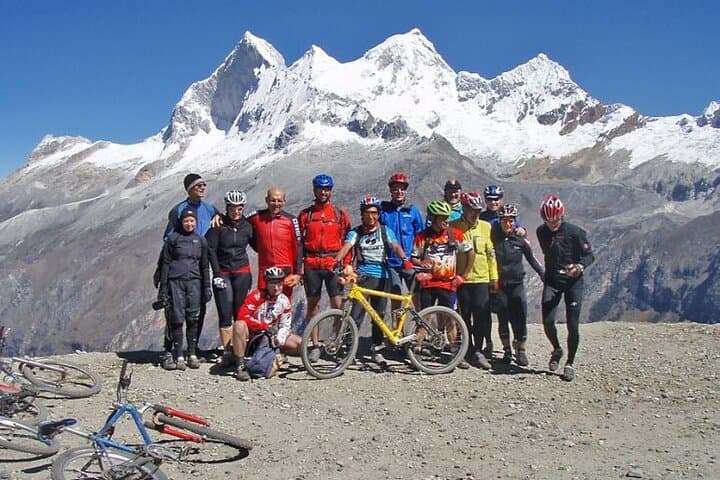
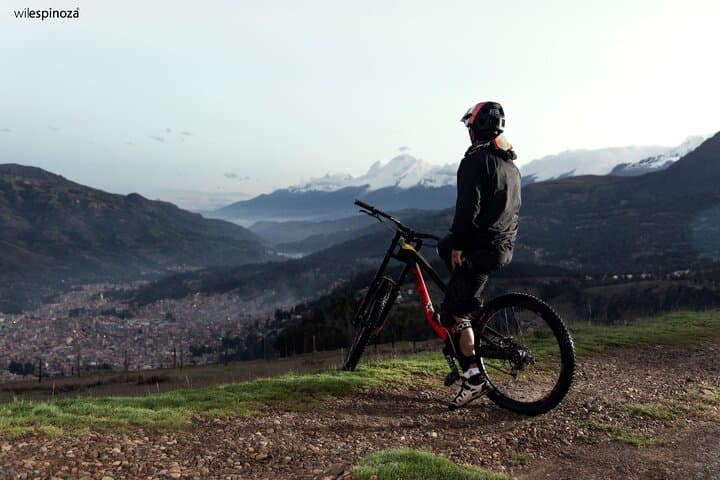
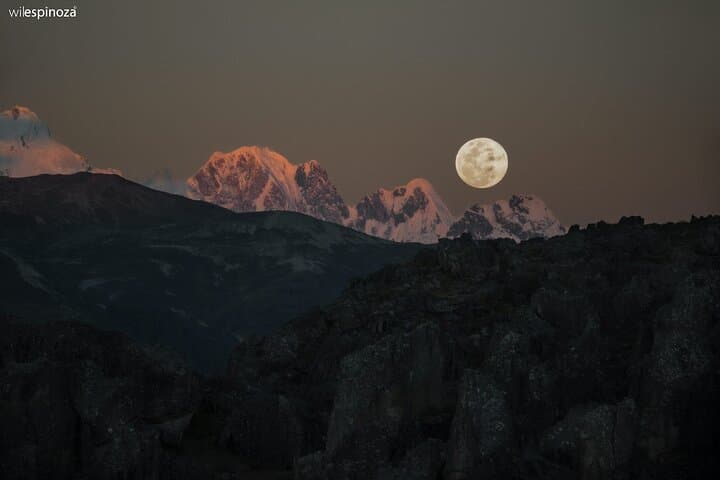
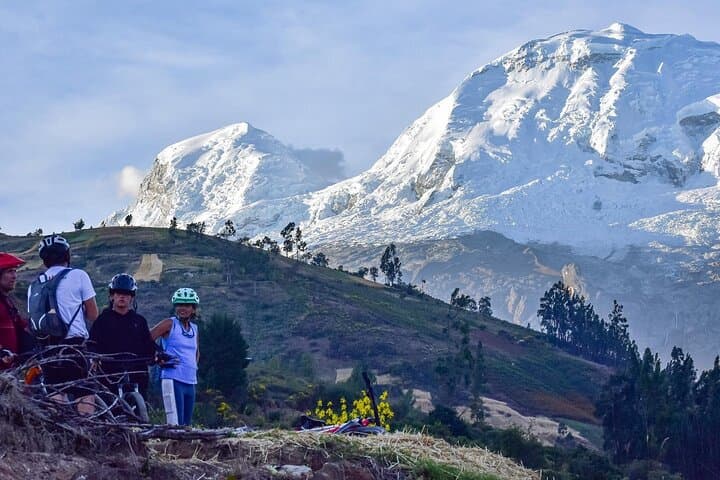
Morning light slices across moraine and glacier as riders push pedals through thin air above Huaraz. The Trans‑Cordillera Blanca circuit stitches village roads, high passes and lakes into a two‑wheel traverse that climbs to Punta Olímpica (4,890 m), drops to Llanganuco’s turquoise basins and threads singletrack under the east faces of Huascarán and Chopicalqui.
Morning light slices across moraine and glacier as riders push pedals through thin air above Huaraz. The Trans‑Cordillera Blanca circuit stitches village roads, high passes and lakes into a two‑wheel traverse that climbs to Punta Olímpica (4,890 m), drops to Llanganuco’s turquoise basins and threads singletrack under the east faces of Huascarán and Chopicalqui.
Geology here is raw: uplifted granite and glacial cirques carved by ice that still crowns more than 700 glaciers in the range. The Callejón de Huaylas valley channels weather and culture—Andean farming communities, Quechua traditions and century‑old mining ruins appear between eucalyptus windrows and puna grasslands. Expect Puya raimondi stands near Gueshgue and high‑altitude wetlands that feed the Santa River.
On the bike you’ll alternate paved climbs, gravel switchbacks and technical singletrack; daily riding ranges from short acclimatization loops (20–40 km) to long mountain stages that include a 20 km, 3–4 hour push to Punta Olímpica and descents of 40–50 km. Nights are a mix of hotels in Huaraz and tent camps at 3,000–4,350 m.
Practical edge: prioritize acclimatization days, hydrate with electrolyte mixes, and plan for strong UV with layered sun protection. Bring a bike tuned for long climbs, spare tube and multi‑tool; tandems of escort vehicles handle mechanical evacuations and luggage. Start rides early to avoid afternoon weather, and budget time for walking steep pitch sections—altitude, not mileage, is the true challenge here.