THE ADVENTURE COLLECTIVE® · Independent discovery and booking for outdoor travel

Glide through limestone caves in Trang An, conquer the Múa viewpoint and explore Vietnam’s oldest forest at Cúc Phương over two full days. This tour pairs monumental religious architecture with karst waterways and primary rainforest, all within easy reach of Ninh Binh.
Glide through limestone caves in Trang An, conquer the Múa viewpoint and explore Vietnam’s oldest forest at Cúc Phương over two full days. This tour pairs monumental religious architecture with karst waterways and primary rainforest, all within easy reach of Ninh Binh.
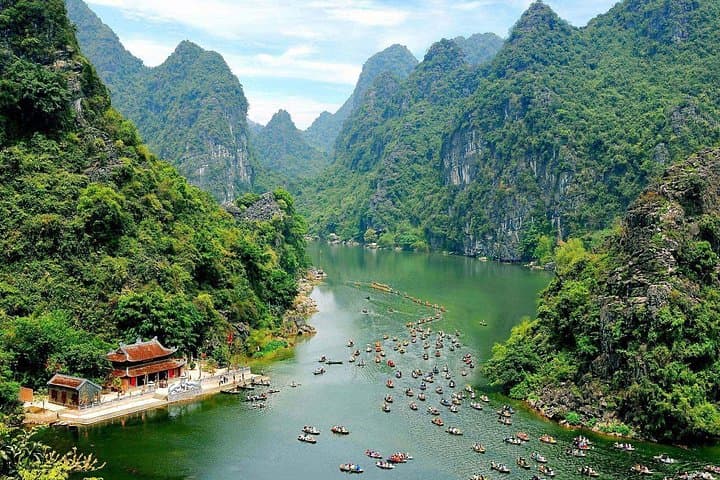
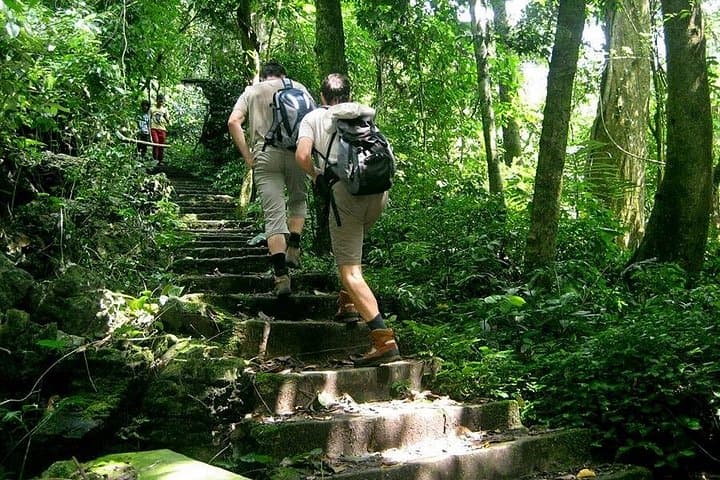
Morning mist lifts off the shallow rivers as wooden boats slip into cavern mouths—limestone cliffs loom like patient giants, and rice paddies spread like quilted plains below the ridge. By midafternoon you climb Múa Cave’s nearly 500 stone steps; the hill exhales, and the Tam Cốc valley opens in a sweep of karst towers and green rice fields.
Verified experiences and guided adventures in the surrounding area.
Operated by Vietnam - Hanoi Package Tours · Ninh Binh, Ninh Bình
Morning mist lifts off the shallow rivers as wooden boats slip into cavern mouths—limestone cliffs loom like patient giants, and rice paddies spread like quilted plains below the ridge. By midafternoon you climb Múa Cave’s nearly 500 stone steps; the hill exhales, and the Tam Cốc valley opens in a sweep of karst towers and green rice fields.
This two-day route pairs cultural scale with wild depth. Day one moves between Bái Đính Pagoda—Southeast Asia’s massive modern Buddhist complex with bronze Buddhas and long colonnades—and a UNESCO-recognized Trang An boat circuit that threads caves, temples, and river-carved limestone. Day two shifts to Cúc Phương National Park, Vietnam’s oldest protected forest, where centuries-old trees, prehistoric caves and the Endangered Primate Rescue Center underline both biodiversity and conservation efforts.
Geology here is raw: karst limestone sculpted by water over millennia, producing cave networks and steep, fluted cliffs. Culturally, the valley has long hosted rice farming villages and temples tied to dynastic histories, visible in the rural temples and field patterns below the viewpoints.
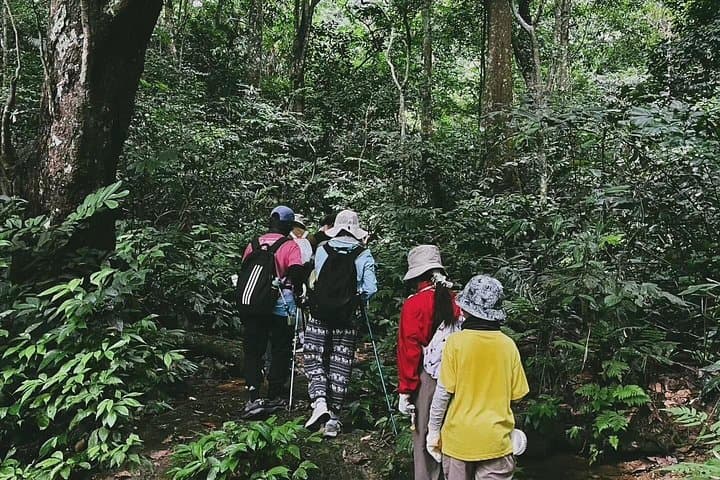
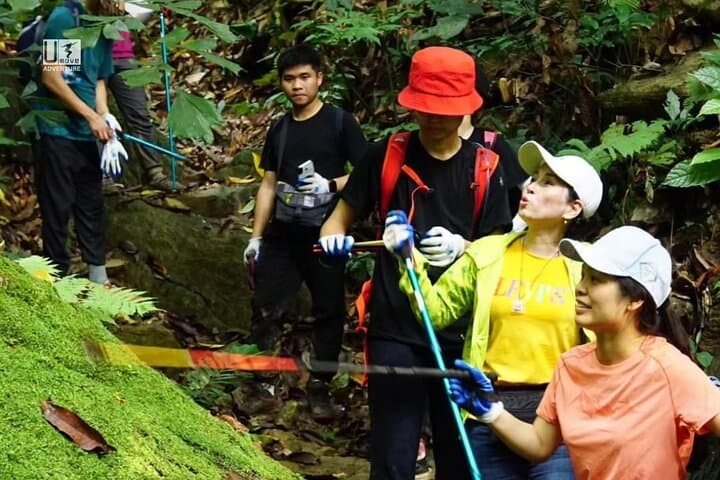
Practical guide: the tour is minimally technical but includes tight boat seating and a steep stair climb—expect uneven steps and sun exposure at the Múa viewpoint. Pack a lightweight rain shell, sturdy shoes, and insect repellent. Start early to avoid midday heat on the climb, bring cash for small vendors, and respect wildlife rules at Cúc Phương—stay on trails and follow guide instructions. Two full days deliver a balanced mix of architecture, quiet waterways, and primary forest—compact, vivid, and highly walkable.
moderate.
2 days.
Light-to-moderate fitness: comfortable walking, ability to climb stairs and stand in boats for up to two hours.
The climb is about 500 stone steps—steep but short; take breaks, and it’s manageable for most people in reasonable health.
This tour description indicates admissions and some meals are included; confirm specifics with the operator before booking.
Infants are accepted but must sit on laps in transport and boats; supervise children on stairs and near water at all times.
The boats are low and stable but can sway in caves and narrow channels—bring medication if you’re sensitive to motion.
Bái Đính is a modern but massive Buddhist complex built in recent decades, while Trang An holds rice-farming and temple sites layered over millennia; Cúc Phương is Vietnam’s oldest protected forest, set aside in 1962.
The Endangered Primate Rescue Center in Cúc Phương focuses on rehabilitation and reintroduction—visitors should minimize disturbance, use licensed guides, and avoid feeding wildlife.
Vietnam - Hanoi Package Tours operates guided outdoor trips and adventures with an emphasis on safety, stewardship, and memorable experiences.
Morning mist lifts off the shallow rivers as wooden boats slip into cavern mouths—limestone cliffs loom like patient giants, and rice paddies spread like quilted plains below the ridge. By midafternoon you climb Múa Cave’s nearly 500 stone steps; the hill exhales, and the Tam Cốc valley opens in a sweep of karst towers and green rice fields.
Morning mist lifts off the shallow rivers as wooden boats slip into cavern mouths—limestone cliffs loom like patient giants, and rice paddies spread like quilted plains below the ridge. By midafternoon you climb Múa Cave’s nearly 500 stone steps; the hill exhales, and the Tam Cốc valley opens in a sweep of karst towers and green rice fields.
This two-day route pairs cultural scale with wild depth. Day one moves between Bái Đính Pagoda—Southeast Asia’s massive modern Buddhist complex with bronze Buddhas and long colonnades—and a UNESCO-recognized Trang An boat circuit that threads caves, temples, and river-carved limestone. Day two shifts to Cúc Phương National Park, Vietnam’s oldest protected forest, where centuries-old trees, prehistoric caves and the Endangered Primate Rescue Center underline both biodiversity and conservation efforts.
Geology here is raw: karst limestone sculpted by water over millennia, producing cave networks and steep, fluted cliffs. Culturally, the valley has long hosted rice farming villages and temples tied to dynastic histories, visible in the rural temples and field patterns below the viewpoints.
Practical guide: the tour is minimally technical but includes tight boat seating and a steep stair climb—expect uneven steps and sun exposure at the Múa viewpoint. Pack a lightweight rain shell, sturdy shoes, and insect repellent. Start early to avoid midday heat on the climb, bring cash for small vendors, and respect wildlife rules at Cúc Phương—stay on trails and follow guide instructions. Two full days deliver a balanced mix of architecture, quiet waterways, and primary forest—compact, vivid, and highly walkable.