THE ADVENTURE COLLECTIVE® · Independent discovery and booking for outdoor travel

Glide through limestone tunnels on a traditional sampan, trace Vietnam’s royal past at Hoa Lu, and climb Mua Cave for an unrivaled panorama of rice-valley karsts. This one-day tour from Hanoi packs geology, history, and hands-on local culture into a practical, full-day outing.
Glide through limestone tunnels on a traditional sampan, trace Vietnam’s royal past at Hoa Lu, and climb Mua Cave for an unrivaled panorama of rice-valley karsts. This one-day tour from Hanoi packs geology, history, and hands-on local culture into a practical, full-day outing.
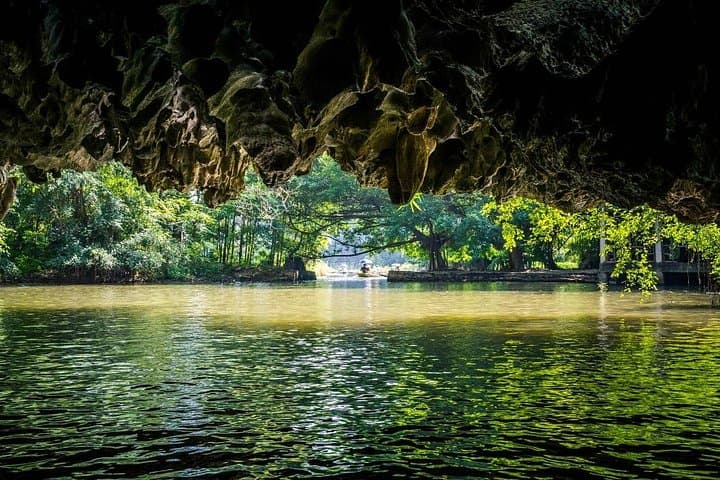
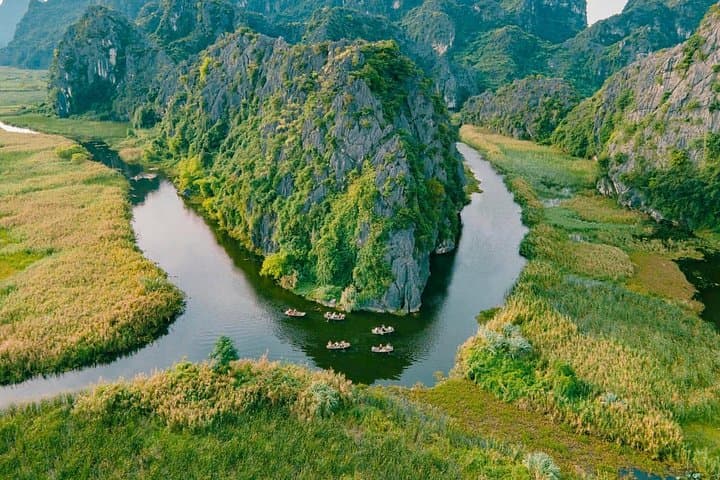
You step off the minibus into a low plain framed by vertical limestone karsts; rice paddies fan out like a working map and a green river threads its way through grotto mouths that seem to breathe. The sampan waits, and the boatman’s paddle teases the current—each cave swallows light and spits out cool air that feels like a door to another age.
Verified experiences and guided adventures in the surrounding area.
Operated by Best Price Tour Co.ltd · Ninh Binh, Ninh Bình
You step off the minibus into a low plain framed by vertical limestone karsts; rice paddies fan out like a working map and a green river threads its way through grotto mouths that seem to breathe. The sampan waits, and the boatman’s paddle teases the current—each cave swallows light and spits out cool air that feels like a door to another age.
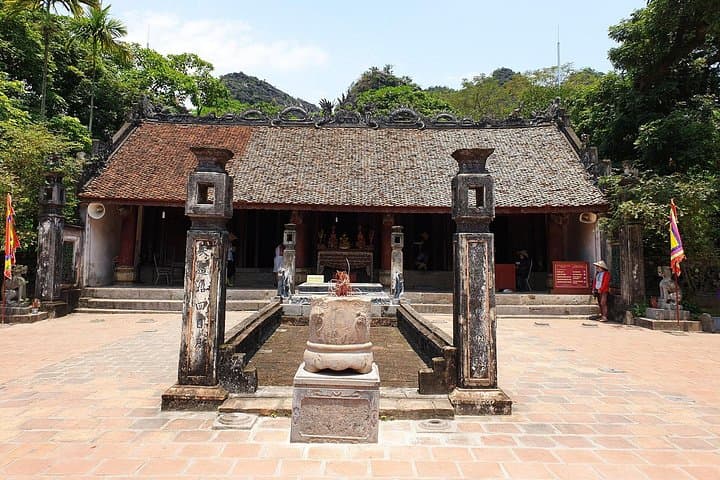
This day trip threads three distinct chapters: Hoa Lu, Vietnam’s 10th–11th century capital where stone temples and royal tombs recall early feudal power; Trang An, a UNESCO-recognized karst landscape carved over millions of years into caves, tunnels, and freshwater pools; and Mua Cave (Hang Múa), whose steep stone steps crown Ngoa Long Mountain for sweeping views of the valley below.
Geology here is tactile—limestone cliffs etched by dissolution and river incision, creating caverns reachable only by narrow waterways. Culturally, the walk through Hoa Lu’s shrines gives context to dynastic rites; the sampan ride is a living craft tradition. Locals still farm the lowlands and tend temples that punctuate the karst.
Practical guidance: plan for an 8–10 hour day, start early from Hanoi if you’re joining a transfer, and reserve comfortable shoes for the 500+ steep steps at Mua Cave. Boats use life jackets—use them—and carry water, sun protection, and a light rain layer. Timing matters: morning light softens the karst and late afternoon thins the crowds. Move deliberately through caves—passages can be low—and respect temple customs. This trip balances easy sightseeing with short bursts of exertion, and it rewards patience with wide, stony panoramas and the steady company of the river that seems to push you forward.
moderate.
8–10 hours.
Good walking fitness for multiple short hikes, a stair climb of ~500+ steps at Mua Cave, and getting on/off boats
Typical transfers take about 1.5–2.5 hours each way depending on traffic; some operators use faster highway routes that shorten travel time.
Traditional sampans are stable for short river rides and life jackets are provided; infants should sit on laps per operator rules.
Yes—those who prefer can stay in the riverside village or choose a cycling option instead of the stair ascent; inform your guide in the morning.
No special permits are required for foreign visitors beyond standard entry to Vietnam; park entrance and boat fees are typically included by tour operators.
Hoa Lu served as Vietnam’s capital under the Dinh and Le dynasties (10th–11th centuries) and retains stone temples and royal tombs from that era.
Trang An is a UNESCO-listed landscape—visitors are encouraged to minimize waste, follow boatman instructions, and avoid touching cave formations to protect fragile karst ecosystems.
Best Price Tour Co.ltd operates guided outdoor trips and adventures with an emphasis on safety, stewardship, and memorable experiences.

You step off the minibus into a low plain framed by vertical limestone karsts; rice paddies fan out like a working map and a green river threads its way through grotto mouths that seem to breathe. The sampan waits, and the boatman’s paddle teases the current—each cave swallows light and spits out cool air that feels like a door to another age.
You step off the minibus into a low plain framed by vertical limestone karsts; rice paddies fan out like a working map and a green river threads its way through grotto mouths that seem to breathe. The sampan waits, and the boatman’s paddle teases the current—each cave swallows light and spits out cool air that feels like a door to another age.
This day trip threads three distinct chapters: Hoa Lu, Vietnam’s 10th–11th century capital where stone temples and royal tombs recall early feudal power; Trang An, a UNESCO-recognized karst landscape carved over millions of years into caves, tunnels, and freshwater pools; and Mua Cave (Hang Múa), whose steep stone steps crown Ngoa Long Mountain for sweeping views of the valley below.
Geology here is tactile—limestone cliffs etched by dissolution and river incision, creating caverns reachable only by narrow waterways. Culturally, the walk through Hoa Lu’s shrines gives context to dynastic rites; the sampan ride is a living craft tradition. Locals still farm the lowlands and tend temples that punctuate the karst.
Practical guidance: plan for an 8–10 hour day, start early from Hanoi if you’re joining a transfer, and reserve comfortable shoes for the 500+ steep steps at Mua Cave. Boats use life jackets—use them—and carry water, sun protection, and a light rain layer. Timing matters: morning light softens the karst and late afternoon thins the crowds. Move deliberately through caves—passages can be low—and respect temple customs. This trip balances easy sightseeing with short bursts of exertion, and it rewards patience with wide, stony panoramas and the steady company of the river that seems to push you forward.