THE ADVENTURE COLLECTIVE® · Independent discovery and booking for outdoor travel

A narrated floatplane puts you on a USFS platform at Traitors Cove for prime black bear and salmon viewing. Short walk, experienced guides, and a high likelihood of seeing bears and eagles during the late-summer salmon runs.
A narrated floatplane puts you on a USFS platform at Traitors Cove for prime black bear and salmon viewing. Short walk, experienced guides, and a high likelihood of seeing bears and eagles during the late-summer salmon runs.
The floatplane settles onto the still water and the forest rises around you like a living wall; gulls wheel and the surface silvered with the backs of running salmon. Within minutes you’re at Traitors Cove, stepping onto a dock where the Tongass breathes cold and green and the sound of a distant waterfall mixes with the sudden, urgent slap of fish and the heavy footsteps of black bears.
Verified experiences and guided adventures in the surrounding area.
Operated by Seawind Aviation, Inc · Ketchikan, Alaska
The floatplane settles onto the still water and the forest rises around you like a living wall; gulls wheel and the surface silvered with the backs of running salmon. Within minutes you’re at Traitors Cove, stepping onto a dock where the Tongass breathes cold and green and the sound of a distant waterfall mixes with the sudden, urgent slap of fish and the heavy footsteps of black bears.
This stretch of Revillagigedo Channel is shaped by glacial sculpting and temperate rainforest—steep ridges, old-growth Sitka spruce, and narrow creek mouths that concentrate migrating salmon each late summer. Indigenous Tlingit people have long known these river corridors as summer runways for salmon and places where wildlife gathering reflects seasonal cycles.
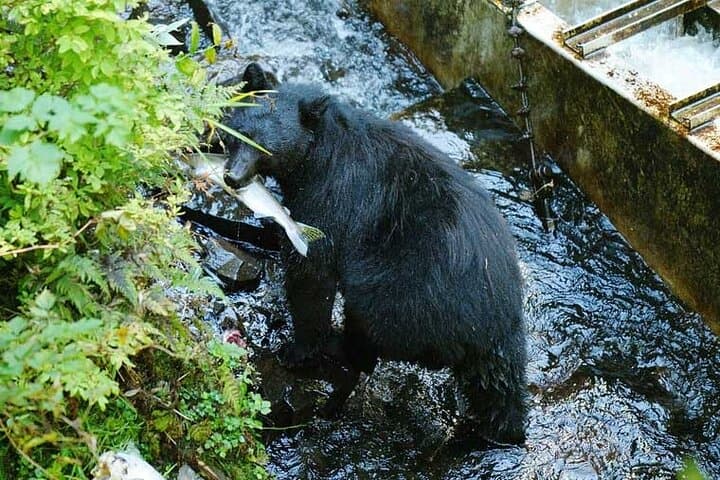
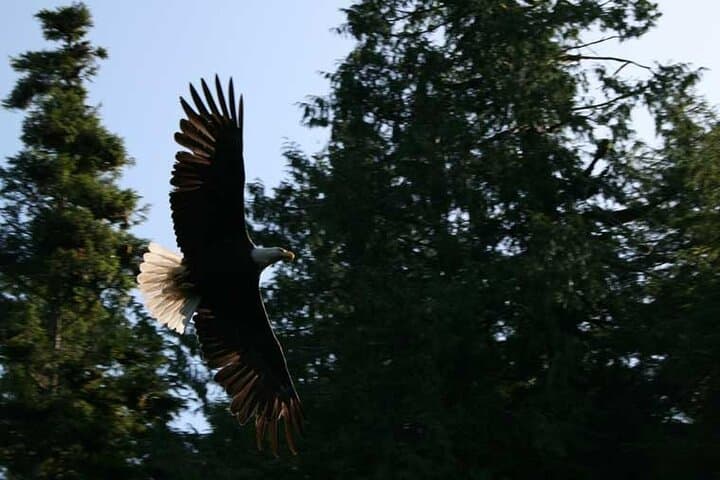
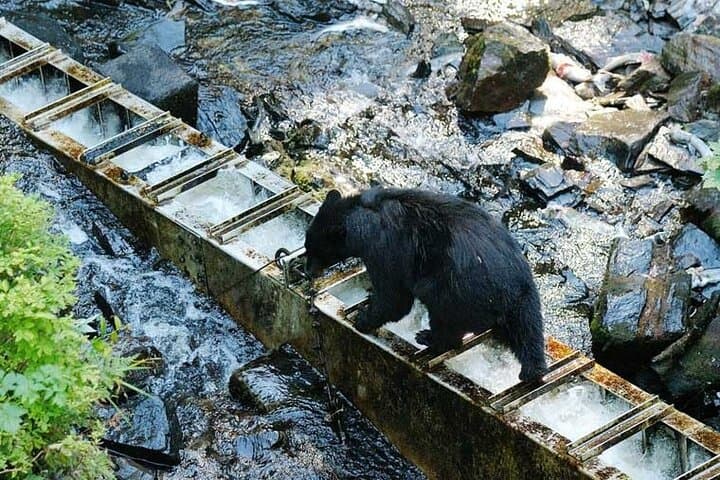
At the Margaret Creek viewing platform you’ll watch black bears plunge and fish, and bald eagles wheel for scraps. Guides interpret behavior, point out berry patches and cedar trees, and explain the interplay of tide, current and salmon runs that brings predators to these creek mouths.
Practical details: tours run late July through mid-September and include a narrated round-trip floatplane flight from Ketchikan plus a short guided 250-yard trail to the platform. Expect up to 45 minutes of flightseeing, about 3 hours total, and a moderate physical demand—short, uneven boardwalks and the need to embark/disembark a floatplane.
Plan layers, a waterproof outer layer, and binoculars. Respect viewing protocols: stay quiet, follow your guide’s instructions, and never approach wildlife. With timing and a bit of patience, this is one of the most direct ways to witness Alaska’s predator-prey drama in the company of experienced local guides.
moderate.
3 hours.
Able to embark/disembark a floatplane, walk ~250 yards on uneven trail and stand quietly for extended viewing
Late July through mid-September coincides with peak salmon runs and the highest likelihood of bear and eagle activity.
Yes, but infants must sit on laps and all passengers should be able to board a floatplane and follow safety instructions.
Viewing is from a USFS-managed platform; guides maintain safe separation and observers stay on the platform—bears are often within visual proximity but not approached.
Tours can be canceled for bad weather; check cancellation policies when booking and confirm if flights are rebookable or refundable under the operator’s terms.
This coastline has long been part of Tlingit territory where salmon runs structured seasonal camps and subsistence practices; modern bear-viewing evolved around the predictable late-summer runs.
USFS manages the Margaret Creek platform to concentrate viewing and minimize habitat disturbance; follow leave-no-trace practices and avoid bringing food or scented items to the platform.
Seawind Aviation, Inc operates guided outdoor trips and adventures with an emphasis on safety, stewardship, and memorable experiences.
The floatplane settles onto the still water and the forest rises around you like a living wall; gulls wheel and the surface silvered with the backs of running salmon. Within minutes you’re at Traitors Cove, stepping onto a dock where the Tongass breathes cold and green and the sound of a distant waterfall mixes with the sudden, urgent slap of fish and the heavy footsteps of black bears.
The floatplane settles onto the still water and the forest rises around you like a living wall; gulls wheel and the surface silvered with the backs of running salmon. Within minutes you’re at Traitors Cove, stepping onto a dock where the Tongass breathes cold and green and the sound of a distant waterfall mixes with the sudden, urgent slap of fish and the heavy footsteps of black bears.
This stretch of Revillagigedo Channel is shaped by glacial sculpting and temperate rainforest—steep ridges, old-growth Sitka spruce, and narrow creek mouths that concentrate migrating salmon each late summer. Indigenous Tlingit people have long known these river corridors as summer runways for salmon and places where wildlife gathering reflects seasonal cycles.
At the Margaret Creek viewing platform you’ll watch black bears plunge and fish, and bald eagles wheel for scraps. Guides interpret behavior, point out berry patches and cedar trees, and explain the interplay of tide, current and salmon runs that brings predators to these creek mouths.
Practical details: tours run late July through mid-September and include a narrated round-trip floatplane flight from Ketchikan plus a short guided 250-yard trail to the platform. Expect up to 45 minutes of flightseeing, about 3 hours total, and a moderate physical demand—short, uneven boardwalks and the need to embark/disembark a floatplane.
Plan layers, a waterproof outer layer, and binoculars. Respect viewing protocols: stay quiet, follow your guide’s instructions, and never approach wildlife. With timing and a bit of patience, this is one of the most direct ways to witness Alaska’s predator-prey drama in the company of experienced local guides.