THE ADVENTURE COLLECTIVE® · Independent discovery and booking for outdoor travel

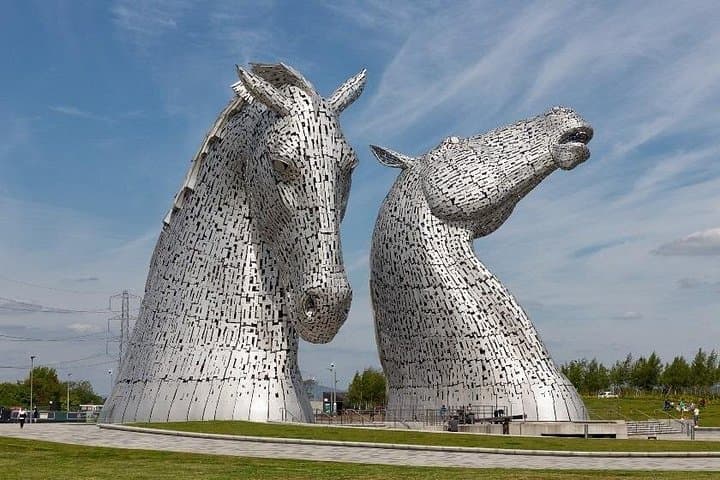
Swap bagpipes for boilers and jet turbines on a seven-hour shore excursion that visits the National Museum of Flight, rides a preserved steam locomotive along the Firth of Forth, and stops for photos at the Kelpies. Expect hands-on aircraft, a heritage rail trip, and engineering highlights from Victorian bridges to Cold War jets.
Swap bagpipes for boilers and jet turbines on a seven-hour shore excursion that visits the National Museum of Flight, rides a preserved steam locomotive along the Firth of Forth, and stops for photos at the Kelpies. Expect hands-on aircraft, a heritage rail trip, and engineering highlights from Victorian bridges to Cold War jets.
The morning air off the Firth of Forth has a metallic bite as the minivan peels away from the cruise terminal, and the city recedes into a ribbon of stone and rail. On this seven-hour shore excursion you move from runway to rails: walking through hangars where Concorde still sits like a quiet arrow, then climbing the cavernous belly of a Vulcan bomber that once bore Britain’s Cold War posture.
Verified experiences and guided adventures in the surrounding area.
Operated by C.I. Broadcasting Ltd · Edinburgh, Scotland
The morning air off the Firth of Forth has a metallic bite as the minivan peels away from the cruise terminal, and the city recedes into a ribbon of stone and rail. On this seven-hour shore excursion you move from runway to rails: walking through hangars where Concorde still sits like a quiet arrow, then climbing the cavernous belly of a Vulcan bomber that once bore Britain’s Cold War posture.
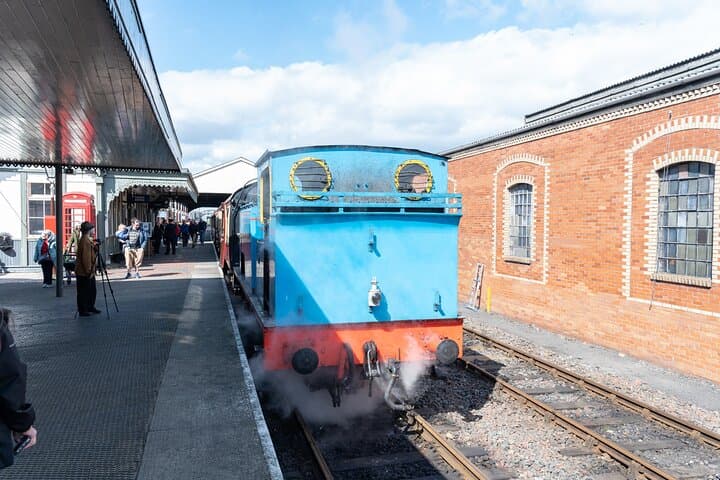
The route crosses eras. East Fortune airfield, converted after World War II into the National Museum of Flight, holds machines that trace 20th-century aerospace engineering — supersonic passenger travel, Cold War deterrence, jet-age fighters. Moving west, the preserved steam line at Bo'ness revives early railway culture: coal smoke, iron rails, and the mechanics of turning a tender engine. En route you pass the Forth bridges, icons of Victorian and modern Scottish engineering, each span telling a chapter of industrial ambition.
Culturally this is a working-class celebration of craft: restorers, volunteers, and small-town stations keep the machines alive. Geology is quieter but present — the Firth’s estuarine flats sculpt bay and shoreline, and the exposed stone of bridge piers hints at ancient sediment and human grit.
Practical guidance: wear sturdy shoes and a weatherproof layer — hangars can be chilly and winds off the Forth can rise suddenly. Allow time for photography at Manuel and the Kelpies stop; museum entrances are included but queues vary. Bring a fully charged camera, and plan return to ship at least 30 minutes before departure. This excursion rewards curiosity about how things move and the hands that keep them running.
easy.
7 hours.
Suitable for most fitness levels; requires short walks, standing in museums and boarding a steam train.
Yes; entrance to the National Museum of Flight and the Scottish Rail Preservation Museum, plus the steam railway ticket, are included in the excursion price.
Yes; the tour is family-friendly though infants must sit on laps during transit and in some exhibition areas; strollers may be cumbersome in hangars.
Meet outside the cruise terminal’s terminal building at the silver minivan with the Sailaway logo; exact pickup instructions are provided on booking confirmation.
Some museum areas and platform access are step-free, but access to aircraft interiors and boarding heritage trains can be limited; contact the operator ahead to discuss assistance needs.
The National Museum of Flight sits on East Fortune airfield and preserves aircraft that trace British aviation from WWII through the Cold War; the Avro Vulcan and Concorde are focal artifacts of that narrative.
Heritage groups run much of the steam and rail preservation work, relying on volunteers and careful restoration; visitors are asked to follow site rules to protect artifacts and local habitats around the Forth.
C.I. Broadcasting Ltd operates guided outdoor trips and adventures with an emphasis on safety, stewardship, and memorable experiences.
The morning air off the Firth of Forth has a metallic bite as the minivan peels away from the cruise terminal, and the city recedes into a ribbon of stone and rail. On this seven-hour shore excursion you move from runway to rails: walking through hangars where Concorde still sits like a quiet arrow, then climbing the cavernous belly of a Vulcan bomber that once bore Britain’s Cold War posture.
The morning air off the Firth of Forth has a metallic bite as the minivan peels away from the cruise terminal, and the city recedes into a ribbon of stone and rail. On this seven-hour shore excursion you move from runway to rails: walking through hangars where Concorde still sits like a quiet arrow, then climbing the cavernous belly of a Vulcan bomber that once bore Britain’s Cold War posture.
The route crosses eras. East Fortune airfield, converted after World War II into the National Museum of Flight, holds machines that trace 20th-century aerospace engineering — supersonic passenger travel, Cold War deterrence, jet-age fighters. Moving west, the preserved steam line at Bo'ness revives early railway culture: coal smoke, iron rails, and the mechanics of turning a tender engine. En route you pass the Forth bridges, icons of Victorian and modern Scottish engineering, each span telling a chapter of industrial ambition.
Culturally this is a working-class celebration of craft: restorers, volunteers, and small-town stations keep the machines alive. Geology is quieter but present — the Firth’s estuarine flats sculpt bay and shoreline, and the exposed stone of bridge piers hints at ancient sediment and human grit.
Practical guidance: wear sturdy shoes and a weatherproof layer — hangars can be chilly and winds off the Forth can rise suddenly. Allow time for photography at Manuel and the Kelpies stop; museum entrances are included but queues vary. Bring a fully charged camera, and plan return to ship at least 30 minutes before departure. This excursion rewards curiosity about how things move and the hands that keep them running.