THE ADVENTURE COLLECTIVE® · Independent discovery and booking for outdoor travel

Train inside an authentic Kyoto dojo with local students and a master of over 20 years. This three-hour, hands-on lesson focuses on iai and kenjutsu—an immersive, disciplined introduction to living katana practice.
Train inside an authentic Kyoto dojo with local students and a master of over 20 years. This three-hour, hands-on lesson focuses on iai and kenjutsu—an immersive, disciplined introduction to living katana practice.
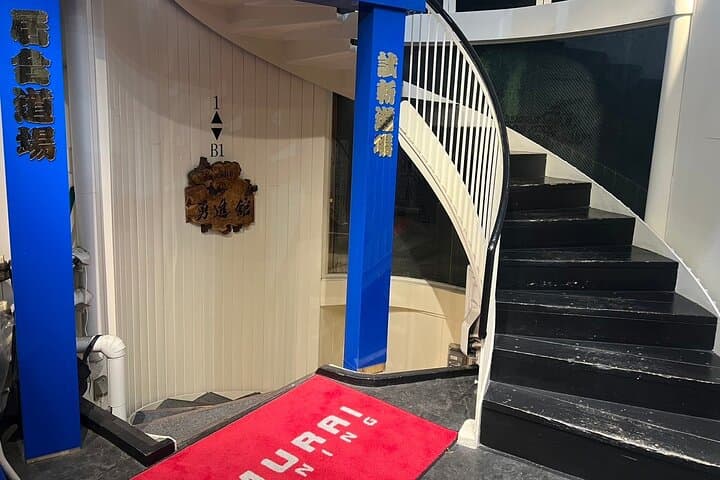
Morning light from a small shuttered window slices across the polished wooden floor as students file into the dojo. The air smells faintly of oil and linen; the sound is the measured rhythm of feet on boards and keikogi whispering against hakama. In Kyoto, where imperial courts and samurai schools shaped Japan’s martial culture, this is not a staged demonstration but real training.
Verified experiences and guided adventures in the surrounding area.
Operated by Yushinkan Co., Ltd. (株式会社勇進舘) SETO Yushin · Kyoto, Kyoto Prefecture
Morning light from a small shuttered window slices across the polished wooden floor as students file into the dojo. The air smells faintly of oil and linen; the sound is the measured rhythm of feet on boards and keikogi whispering against hakama. In Kyoto, where imperial courts and samurai schools shaped Japan’s martial culture, this is not a staged demonstration but real training.
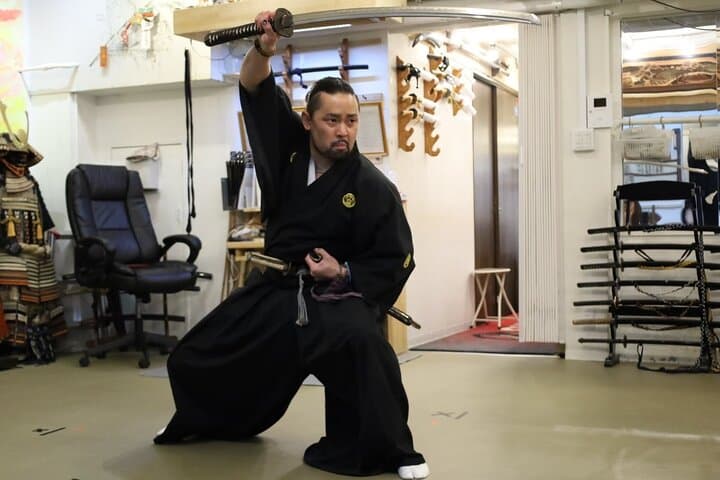
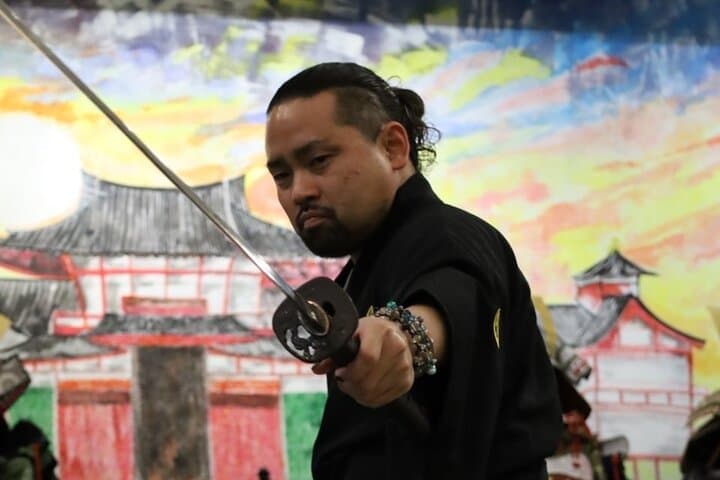
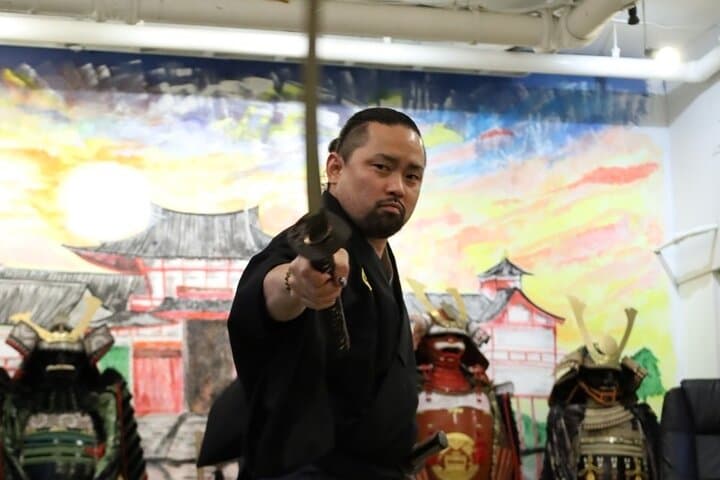
The lesson takes place at Yushinkan Kyoto under a headmaster with over 20 years of experience. Participants are fitted into dōgi, obi, and hakama, then introduced to iai (the art of drawing the katana) and basic kenjutsu movements alongside local students. The class culminates in an exacting display—students and the master cutting rolled tatami omote; the master also offers a two-katana performance that highlights technique refined over generations. Video recording is prohibited to preserve the dojo’s discipline and privacy.
Expect structured etiquette: remove shoes, bow on entry, listen closely to corrections, and accept that some techniques will be demonstrated rather than performed by visitors. The session runs roughly three hours, requires a moderate fitness level and coordination, and is suitable for ages 12 and up. Public transit connects the dojo to central Kyoto; arrive early to change and warm up.
Practical tips: wear flexible clothing under the provided kit, hydrate beforehand, and notify organizers of injuries. This experience offers a rare, hands-on window into living kenjutsu practice—respectful participation and quiet attention make the visit most rewarding.
moderate.
3 hours.
Moderate fitness and coordination; basic mobility and ability to kneel/stand repeatedly.
Yes—beginners can participate, but the class follows local students’ pace; expect corrections and demonstrations rather than full sparring.
No—photo and video recording are not permitted to protect student privacy and maintain dojo protocol.
Participants must be 12 or older; people with spinal, cardiovascular issues or who are pregnant should not take part.
Full refund if canceled at least 24 hours before the scheduled time; cancellations inside 24 hours are non-refundable.
Kyoto was Japan’s imperial capital and a training ground for classical martial arts; kenjutsu schools here trace lineage through the samurai era into modern practice.
Dojo rules prohibit filming and emphasize minimal impact—respecting local customs supports cultural preservation and student privacy.
Yushinkan Co., Ltd. (株式会社勇進舘) SETO Yushin operates guided outdoor trips and adventures with an emphasis on safety, stewardship, and memorable experiences.
Morning light from a small shuttered window slices across the polished wooden floor as students file into the dojo. The air smells faintly of oil and linen; the sound is the measured rhythm of feet on boards and keikogi whispering against hakama. In Kyoto, where imperial courts and samurai schools shaped Japan’s martial culture, this is not a staged demonstration but real training.
Morning light from a small shuttered window slices across the polished wooden floor as students file into the dojo. The air smells faintly of oil and linen; the sound is the measured rhythm of feet on boards and keikogi whispering against hakama. In Kyoto, where imperial courts and samurai schools shaped Japan’s martial culture, this is not a staged demonstration but real training.
The lesson takes place at Yushinkan Kyoto under a headmaster with over 20 years of experience. Participants are fitted into dōgi, obi, and hakama, then introduced to iai (the art of drawing the katana) and basic kenjutsu movements alongside local students. The class culminates in an exacting display—students and the master cutting rolled tatami omote; the master also offers a two-katana performance that highlights technique refined over generations. Video recording is prohibited to preserve the dojo’s discipline and privacy.
Expect structured etiquette: remove shoes, bow on entry, listen closely to corrections, and accept that some techniques will be demonstrated rather than performed by visitors. The session runs roughly three hours, requires a moderate fitness level and coordination, and is suitable for ages 12 and up. Public transit connects the dojo to central Kyoto; arrive early to change and warm up.
Practical tips: wear flexible clothing under the provided kit, hydrate beforehand, and notify organizers of injuries. This experience offers a rare, hands-on window into living kenjutsu practice—respectful participation and quiet attention make the visit most rewarding.