THE ADVENTURE COLLECTIVE® · Independent discovery and booking for outdoor travel

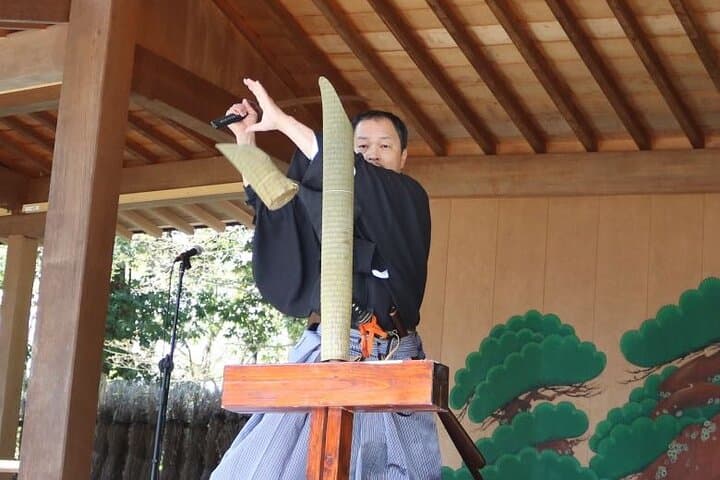
Step into a Tokyo dojo and learn the measured art of Mugai-ryu Iaido under Master Takeda. This 60-minute session teaches safe sword handling, fundamental kata, and a brief tameshigiri demonstration—ideal for curious beginners seeking an authentic cultural experience.
Step into a Tokyo dojo and learn the measured art of Mugai-ryu Iaido under Master Takeda. This 60-minute session teaches safe sword handling, fundamental kata, and a brief tameshigiri demonstration—ideal for curious beginners seeking an authentic cultural experience.
The room is spare: tatami mat underfoot, a row of swords resting like quiet promises, and Master Takeda’s silhouette moving with precise economy. You step into a compact dojo in the city and, in sixty minutes, are coached through the essential motions of Mugai-ryu Iaido—drawing, cutting, sheathing—under the gaze of a teacher who carries a lineage centuries old.
Verified experiences and guided adventures in the surrounding area.
Operated by Beauty of Japan · Tokyo, Tokyo
The room is spare: tatami mat underfoot, a row of swords resting like quiet promises, and Master Takeda’s silhouette moving with precise economy. You step into a compact dojo in the city and, in sixty minutes, are coached through the essential motions of Mugai-ryu Iaido—drawing, cutting, sheathing—under the gaze of a teacher who carries a lineage centuries old.
Mugai-ryu is a classical school of iaido that emerged during the Edo period and prioritizes practical, efficient movement. In Tokyo—built on the flat Kanto plain with volcanic soils and a history of samurai administration—you’re practicing a living craft shaped by Japan’s social order and martial needs. The cultural frame is quiet respect: bow on entering, follow the master’s lead, and handle the sword with controlled attention.
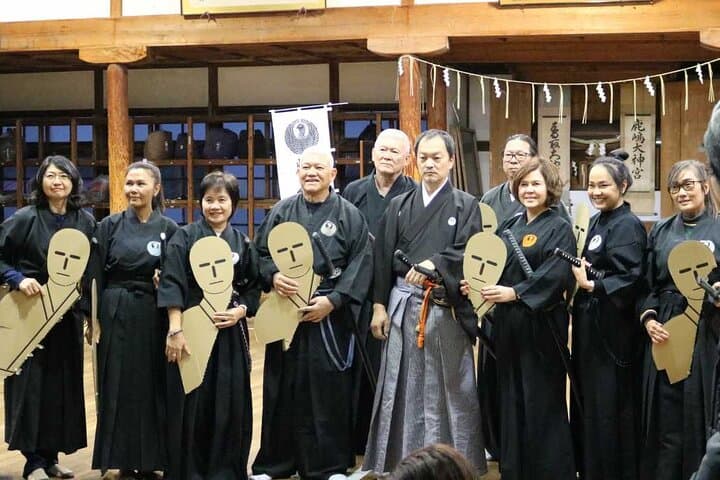
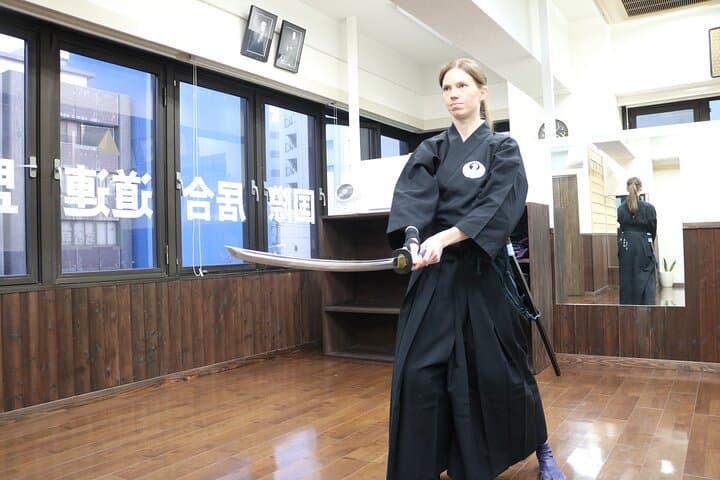
The lesson flows: change into rented hakama, learn safe grips with a mock katana, practice basic kata, try supervised tameshigiri drills, and watch a full kata demonstration. It’s tactile and structured; the focus is on form and safety rather than theatrics.
Practical guidance: arrive 10–15 minutes early to change and stretch, remove jewelry, and wear flexible clothes under the hakama. This activity suits most people but avoid it if you have back or serious heart issues or are pregnant. Cameras are fine during demonstrations but follow the instructor’s cue during practice. Public transport access is straightforward—most dojos are a short walk from a subway stop.
Expect a disciplined, hands-on cultural immersion that rewards attention, steady breathing, and respect for a tradition that persists in modern Tokyo.
easy.
1 hour.
Suitable for most fitness levels; requires basic mobility, balance, and ability to kneel or stand repeatedly.
No—this experience uses imitation swords for safety; real blades are not provided to participants.
No—this one-hour lesson is designed for beginners and those with no iaido background.
Not recommended for people with serious spinal or heart problems or pregnant travelers; the listing notes these limitations.
Most locations are a short walk from a Tokyo subway station; public transportation details are provided after booking.
Mugai-ryu is a classical school of iaido that emerged during the Edo period, emphasizing practical draw-and-cut techniques developed within samurai culture.
Respect dojo etiquette and local urban norms; cultural conservation here means preserving protocol, cleanliness, and the traditional training space rather than environmental stewardship.
Beauty of Japan operates guided outdoor trips and adventures with an emphasis on safety, stewardship, and memorable experiences.
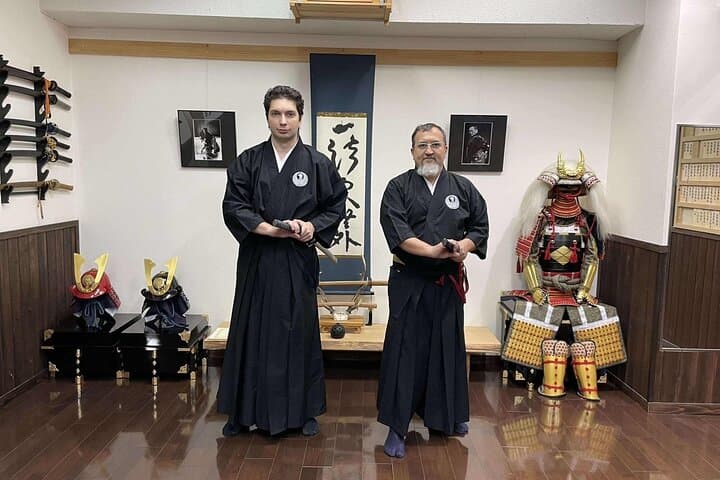
The room is spare: tatami mat underfoot, a row of swords resting like quiet promises, and Master Takeda’s silhouette moving with precise economy. You step into a compact dojo in the city and, in sixty minutes, are coached through the essential motions of Mugai-ryu Iaido—drawing, cutting, sheathing—under the gaze of a teacher who carries a lineage centuries old.
The room is spare: tatami mat underfoot, a row of swords resting like quiet promises, and Master Takeda’s silhouette moving with precise economy. You step into a compact dojo in the city and, in sixty minutes, are coached through the essential motions of Mugai-ryu Iaido—drawing, cutting, sheathing—under the gaze of a teacher who carries a lineage centuries old.
Mugai-ryu is a classical school of iaido that emerged during the Edo period and prioritizes practical, efficient movement. In Tokyo—built on the flat Kanto plain with volcanic soils and a history of samurai administration—you’re practicing a living craft shaped by Japan’s social order and martial needs. The cultural frame is quiet respect: bow on entering, follow the master’s lead, and handle the sword with controlled attention.
The lesson flows: change into rented hakama, learn safe grips with a mock katana, practice basic kata, try supervised tameshigiri drills, and watch a full kata demonstration. It’s tactile and structured; the focus is on form and safety rather than theatrics.
Practical guidance: arrive 10–15 minutes early to change and stretch, remove jewelry, and wear flexible clothes under the hakama. This activity suits most people but avoid it if you have back or serious heart issues or are pregnant. Cameras are fine during demonstrations but follow the instructor’s cue during practice. Public transport access is straightforward—most dojos are a short walk from a subway stop.
Expect a disciplined, hands-on cultural immersion that rewards attention, steady breathing, and respect for a tradition that persists in modern Tokyo.