THE ADVENTURE COLLECTIVE® · Independent discovery and booking for outdoor travel

Train in classical kenjutsu on temple grounds that are usually closed to the public. This private, three-hour session in Minoh pairs practical sword instruction with a rare cultural performance.
Train in classical kenjutsu on temple grounds that are usually closed to the public. This private, three-hour session in Minoh pairs practical sword instruction with a rare cultural performance.
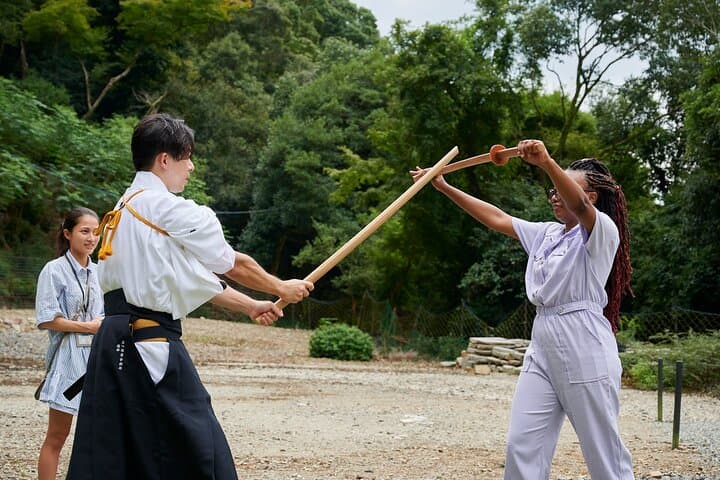
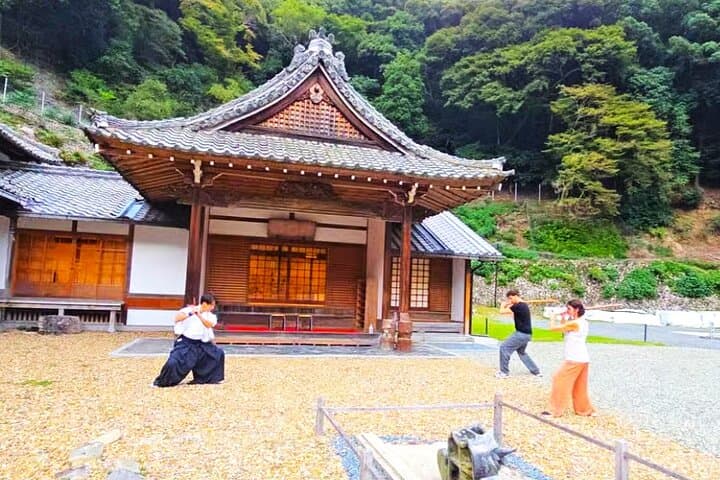
You step through a low gate and the air changes — the hush of cedar and stone, a tatami training area moved from history into your three-hour window. At Ryuan-ji in Minoh, the usual quiet of temple grounds becomes the backdrop for a private kenjutsu session where wooden swords click and measured breaths set the tempo.
Verified experiences and guided adventures in the surrounding area.
Operated by DeepExperience · Minoh, Osaka Prefecture
You step through a low gate and the air changes — the hush of cedar and stone, a tatami training area moved from history into your three-hour window. At Ryuan-ji in Minoh, the usual quiet of temple grounds becomes the backdrop for a private kenjutsu session where wooden swords click and measured breaths set the tempo.
The practice here draws on classical lineages: students learn etiquette and basic kata rooted in schools like Yagyū Shinkage-ryu and Suishin-ryu, traditions that shaped samurai discipline. Minoh’s terrain — river-cut ravines and maple slopes — shaped local temple culture, offering practitioners a cool, humid microclimate and a place historically used for reflection and martial training.
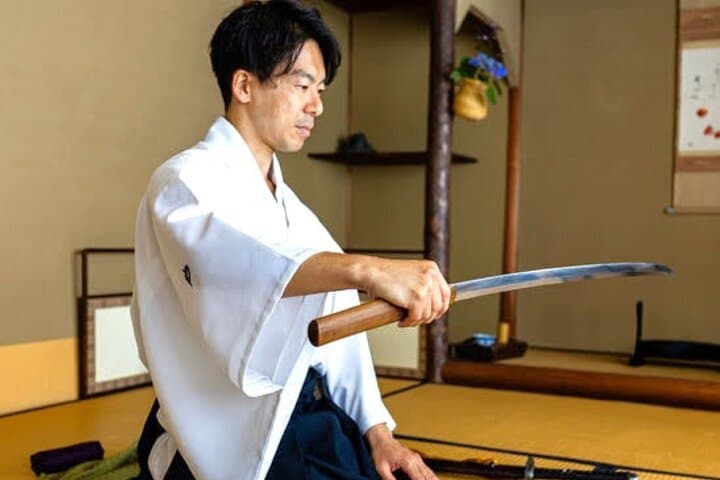
Culturally, expect formality: bows, shoe removal, and attentive listening. The program often opens spaces closed to the public, so the experience reads as both technical lesson and living cultural demonstration. The session culminates in a short sword performance that showcases timing, posture, and control.
Practical guidance: this is a private, guided activity lasting roughly 180 minutes with English and Japanese support. Moderate fitness is required; fast, jerky movements and stance work are part of the lesson. Not recommended for pregnant guests or those with significant spinal or heart conditions. Wear non-restrictive clothing and closed-toe shoes; sacred areas require respectful behavior and limited photography. The precise temple used may change, and the meeting point will be confirmed at booking. From central Osaka, plan 30–50 minutes by train to Minoh and a short walk into the temple approach. Hydrate, arrive early, and treat the training as both physical practice and cultural exchange.
moderate.
3 hours.
Participants should have a moderate level of fitness — stable balance and basic stamina for repeated stances and footwork.
No — the session teaches basic etiquette and fundamental techniques; it’s designed for beginners and experienced practitioners alike.
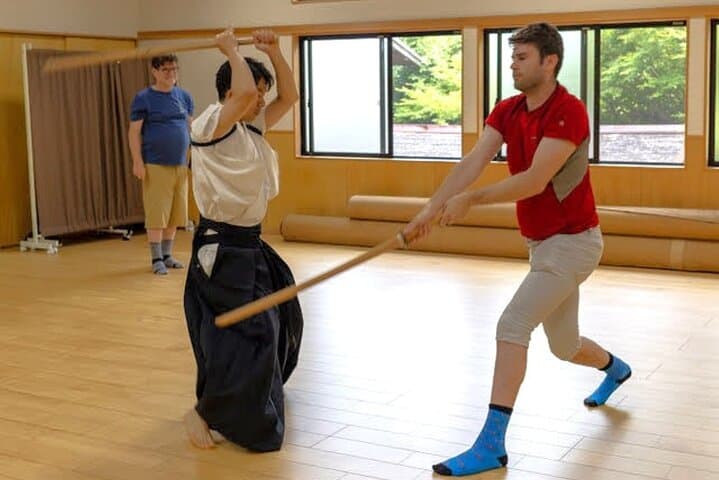
Training is conducted with wooden practice swords (bokken) for safety; a demonstration may include polished blades handled by the master.
Photography rules vary by temple and class; follow the guide’s instructions — some sacred spaces are off-limits to cameras.
The booking confirms a meeting point; expect a short walk from the nearest Minoh train station and roughly 30–50 minutes travel from central Osaka.
The techniques taught draw on classical kenjutsu schools such as Yagyū Shinkage-ryu and Suishin-ryu; the instructor continues a lineage-based approach to swordsmanship.
These temple sites are cared for by local custodians — follow rules on trash, restricted areas, and quiet behavior to minimize impact and support cultural preservation.
DeepExperience operates guided outdoor trips and adventures with an emphasis on safety, stewardship, and memorable experiences.
You step through a low gate and the air changes — the hush of cedar and stone, a tatami training area moved from history into your three-hour window. At Ryuan-ji in Minoh, the usual quiet of temple grounds becomes the backdrop for a private kenjutsu session where wooden swords click and measured breaths set the tempo.
You step through a low gate and the air changes — the hush of cedar and stone, a tatami training area moved from history into your three-hour window. At Ryuan-ji in Minoh, the usual quiet of temple grounds becomes the backdrop for a private kenjutsu session where wooden swords click and measured breaths set the tempo.
The practice here draws on classical lineages: students learn etiquette and basic kata rooted in schools like Yagyū Shinkage-ryu and Suishin-ryu, traditions that shaped samurai discipline. Minoh’s terrain — river-cut ravines and maple slopes — shaped local temple culture, offering practitioners a cool, humid microclimate and a place historically used for reflection and martial training.
Culturally, expect formality: bows, shoe removal, and attentive listening. The program often opens spaces closed to the public, so the experience reads as both technical lesson and living cultural demonstration. The session culminates in a short sword performance that showcases timing, posture, and control.
Practical guidance: this is a private, guided activity lasting roughly 180 minutes with English and Japanese support. Moderate fitness is required; fast, jerky movements and stance work are part of the lesson. Not recommended for pregnant guests or those with significant spinal or heart conditions. Wear non-restrictive clothing and closed-toe shoes; sacred areas require respectful behavior and limited photography. The precise temple used may change, and the meeting point will be confirmed at booking. From central Osaka, plan 30–50 minutes by train to Minoh and a short walk into the temple approach. Hydrate, arrive early, and treat the training as both physical practice and cultural exchange.