THE ADVENTURE COLLECTIVE® · Independent discovery and booking for outdoor travel

Travel by first-class train from Luxor to Aswan then on by private transfer to Abu Simbel. This long, guided day trip delivers close-up views of Ramses II’s colossal facades, the story of their UNESCO relocation, and practical guidance for a rigorous but rewarding day.
Travel by first-class train from Luxor to Aswan then on by private transfer to Abu Simbel. This long, guided day trip delivers close-up views of Ramses II’s colossal facades, the story of their UNESCO relocation, and practical guidance for a rigorous but rewarding day.
The day begins while Luxor still sleeps: a 2:30 a.m. hotel pickup, a quiet first‑class train cutting through the Nile Valley and villages that slide by like pages in a travel journal. The valley’s slow rhythms pull you toward Aswan, where a private Egyptologist and an air‑conditioned vehicle wait to carry you across the flat, ochre landscape to Abu Simbel.
Verified experiences and guided adventures in the surrounding area.
Operated by Luxor Best Tours · Abu Simbel, Aswan Governorate
The day begins while Luxor still sleeps: a 2:30 a.m. hotel pickup, a quiet first‑class train cutting through the Nile Valley and villages that slide by like pages in a travel journal. The valley’s slow rhythms pull you toward Aswan, where a private Egyptologist and an air‑conditioned vehicle wait to carry you across the flat, ochre landscape to Abu Simbel.
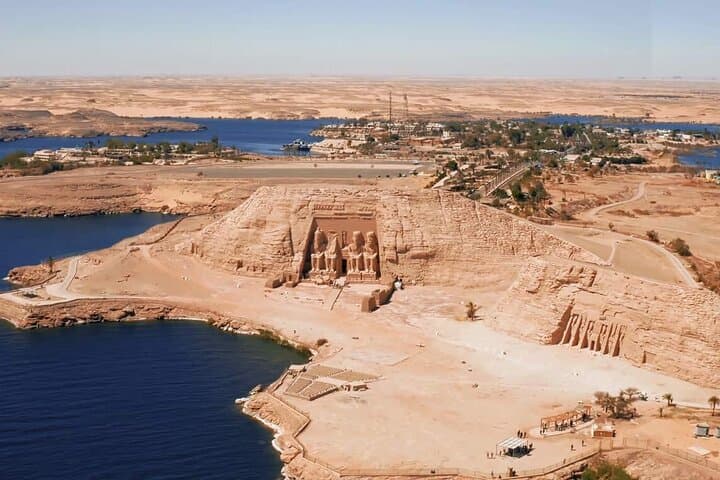
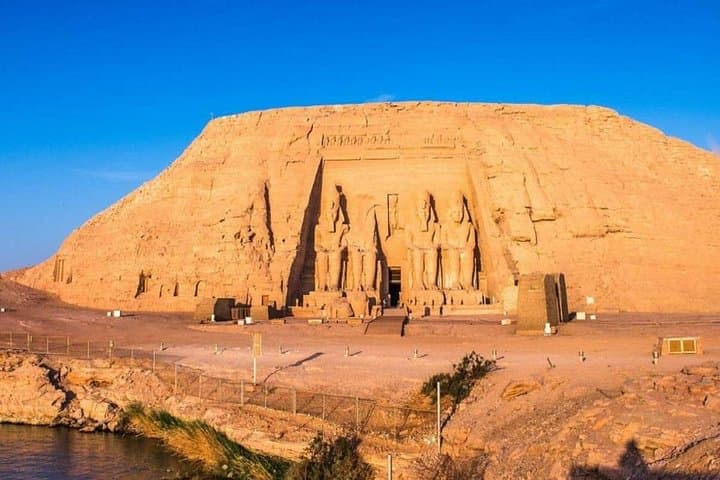
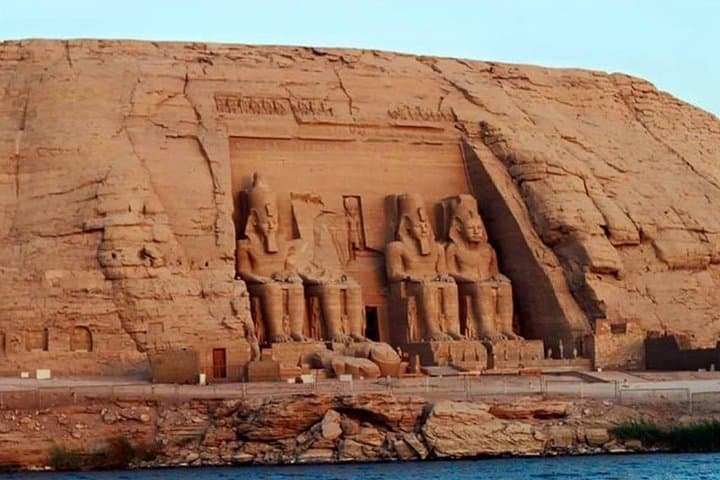
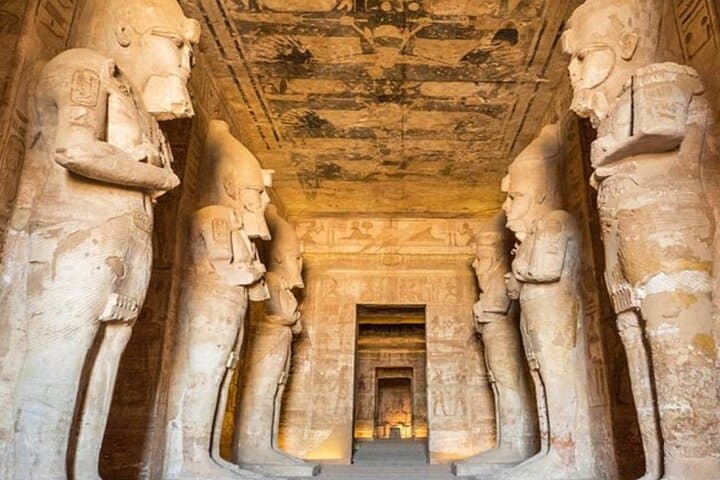
At the site the stone is immediate — colossal seated figures of Ramses II stare out over the plain, while the intimate Hathor temple for Nefertari tucks its reliefs into shadow. Geologically, the temples are carved from Nubian sandstone; historically, they became the centerpiece of an international rescue in the 1960s when UNESCO oversaw their relocation to higher ground to save them from Lake Nasser’s rising waters. Culturally, the visit puts you in direct conversation with Pharaonic power and the modern politics of preservation, and local Nubian communities nearby add a living layer to the ruins.
Practical notes: expect a long, full day — about 14 hours door to door — with early starts and stretches of transit. Bring sun protection, a refillable water bottle, and comfortable shoes for standing and walking on uneven stone. Your Egyptologist will contextualize the architecture and inscriptions and can assist with on‑site ticket arrangements; photography is welcomed but follow posted restrictions. Allow extra time for boarding and transfers, and budget for tips, snacks, and any onsite fees. The trip rewards patience: by the time you return to Luxor, the desert will have revealed both its ancient dramas and the modern feats that preserved them.
easy.
14 hours.
Suitable for most fitness levels but requires tolerance for a long day, early start, and periods of standing.
Entrance fees are typically not included in this itinerary; your guide can advise and help arrange ticket purchase on arrival.
Pickup is around 2:30 a.m. to accommodate the train schedule and day‑trip logistics so you have sufficient time at the temples and return to Luxor the same day.
The tour is classified as physically easy—first‑class train seating and air‑conditioned vehicle reduce strain—but the long day and transfers may be tiring for some; discuss mobility needs when booking.
Photography of exteriors and many reliefs is allowed, but follow posted signs and your guide’s directions for restricted areas or flash use.
The twin temples were carved under Ramses II and relocated in the 1960s in a UNESCO‑led operation to save them from flooding caused by the Aswan High Dam.
The relocation was a major conservation effort; visitors should stay on paths, avoid touching fragile carvings, and support local guides who help manage visitor impact.
Luxor Best Tours operates guided outdoor trips and adventures with an emphasis on safety, stewardship, and memorable experiences.
The day begins while Luxor still sleeps: a 2:30 a.m. hotel pickup, a quiet first‑class train cutting through the Nile Valley and villages that slide by like pages in a travel journal. The valley’s slow rhythms pull you toward Aswan, where a private Egyptologist and an air‑conditioned vehicle wait to carry you across the flat, ochre landscape to Abu Simbel.
The day begins while Luxor still sleeps: a 2:30 a.m. hotel pickup, a quiet first‑class train cutting through the Nile Valley and villages that slide by like pages in a travel journal. The valley’s slow rhythms pull you toward Aswan, where a private Egyptologist and an air‑conditioned vehicle wait to carry you across the flat, ochre landscape to Abu Simbel.
At the site the stone is immediate — colossal seated figures of Ramses II stare out over the plain, while the intimate Hathor temple for Nefertari tucks its reliefs into shadow. Geologically, the temples are carved from Nubian sandstone; historically, they became the centerpiece of an international rescue in the 1960s when UNESCO oversaw their relocation to higher ground to save them from Lake Nasser’s rising waters. Culturally, the visit puts you in direct conversation with Pharaonic power and the modern politics of preservation, and local Nubian communities nearby add a living layer to the ruins.
Practical notes: expect a long, full day — about 14 hours door to door — with early starts and stretches of transit. Bring sun protection, a refillable water bottle, and comfortable shoes for standing and walking on uneven stone. Your Egyptologist will contextualize the architecture and inscriptions and can assist with on‑site ticket arrangements; photography is welcomed but follow posted restrictions. Allow extra time for boarding and transfers, and budget for tips, snacks, and any onsite fees. The trip rewards patience: by the time you return to Luxor, the desert will have revealed both its ancient dramas and the modern feats that preserved them.